

Citrus Pulp CAS: 94266-47-4

Citrus Pulp CAS: 94266-47-4

The termination of Treasury's authorization for Iranian oil sales and new transaction approvals marks an important shift in international trade compliance. Chemical companies should review procurement, logistics and financial exposure to ensure continued sanctions compliance.

India's proposed anti-dumping duties on selected US chemical shipments and duty-free treatment for domestic polyurethane raw materials could reshape regional food-contact packaging costs. Procurement teams should assess supplier strategies and raw material exposure before pricing changes reach downstream markets.

Germany's chemical industry enters H2 2026 under its greatest economic pressure in more than a decade. As the VCI prepares its half-year review, buyers are closely watching production, employment and energy cost trends for signals about the financial health of Europe's largest specialty chemical manufacturing base.
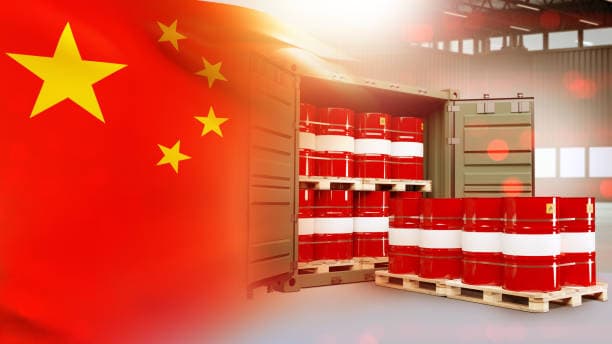
China’s urea export limits and aggressive methanol-to-olefins (MTO) rates set the stage for 2026 chemical flows. July pricing decisions will reveal whether China will defend its crisis‑era share or recalibrate toward market balance. Global buyers must watch China’s export strategy closely.
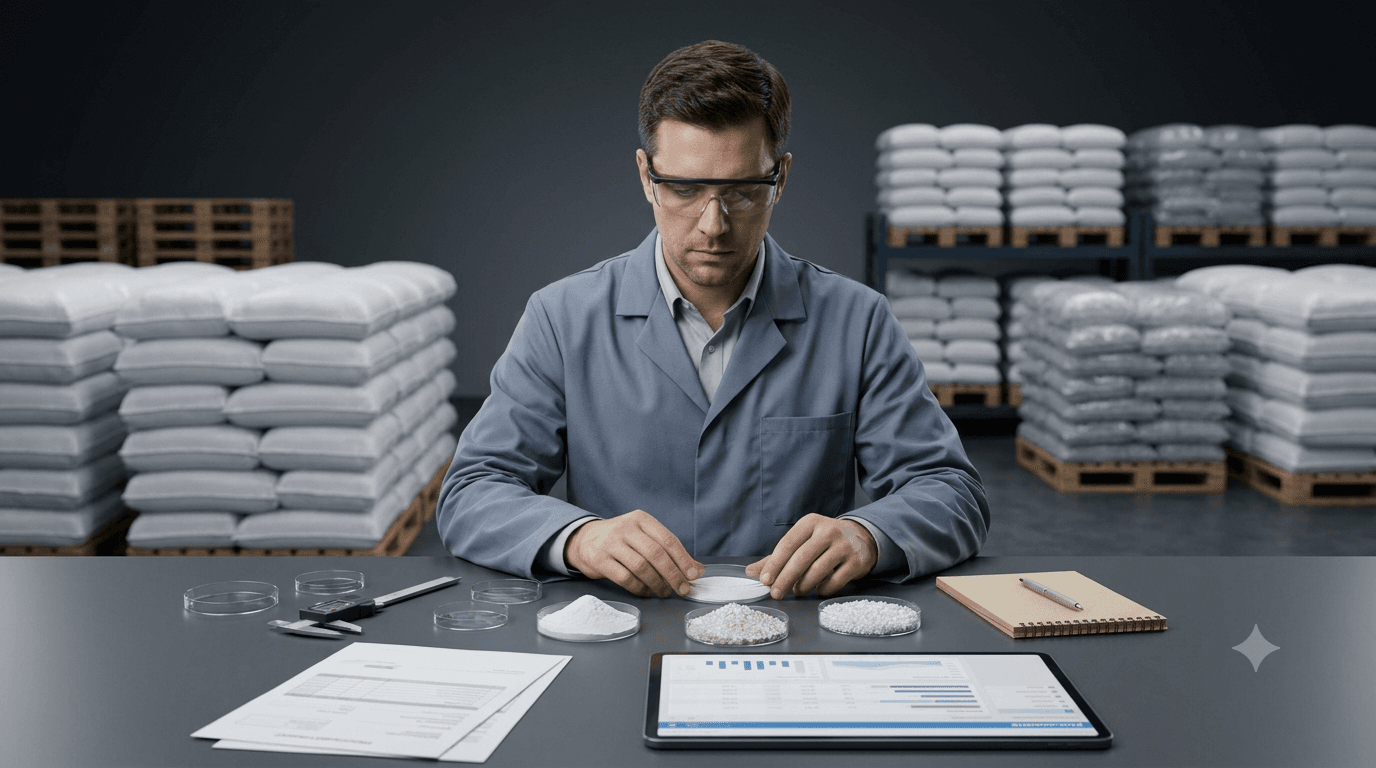
Planning food ingredient procurement for H2 2026 unlocks key sourcing advantages while mitigating risks. By mapping opportunities for citric acid, sucralose, maltodextrin, dextrose, guar gum, and corn starch, buyers can make smarter, data‑driven purchasing decisions.
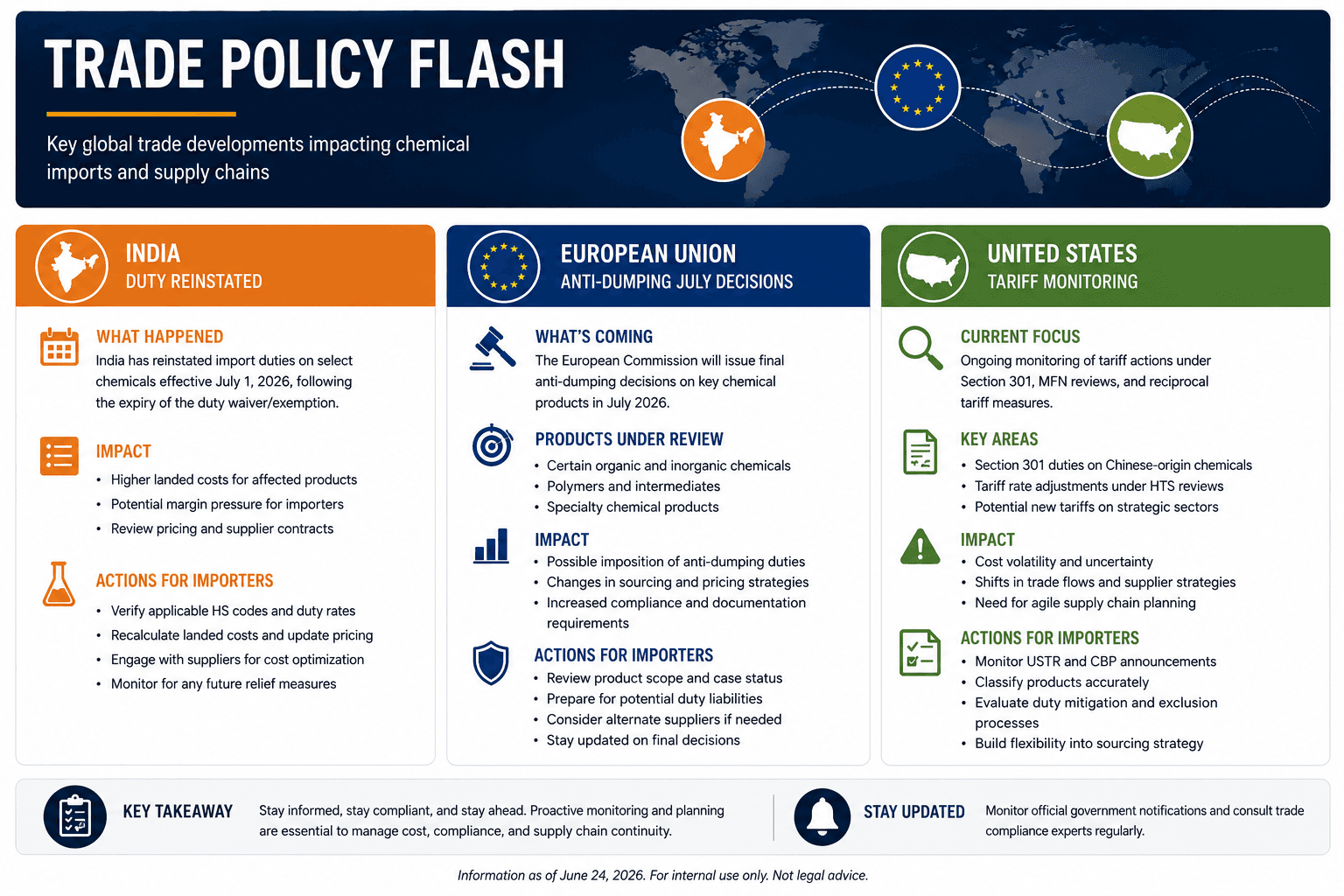
July 1 brings major trade policy changes for chemical buyers: India’s duty waiver has ended, EU anti-dumping decisions on Chinese chemicals are nearing publication, and US tariff rules remain active. Procurement teams should immediately reprice H2 sourcing assumptions.
Estamos comprometidos com sua privacidade. A Tradeasia usa as informações fornecidas para entrar em contato com você sobre conteúdos, produtos e serviços relevantes. Para mais informações, consulte nossa política de privacidade.