
Liquid Ammonia CAS: 166412-78-8
Liquid Ammonia CAS: 166412-78-8
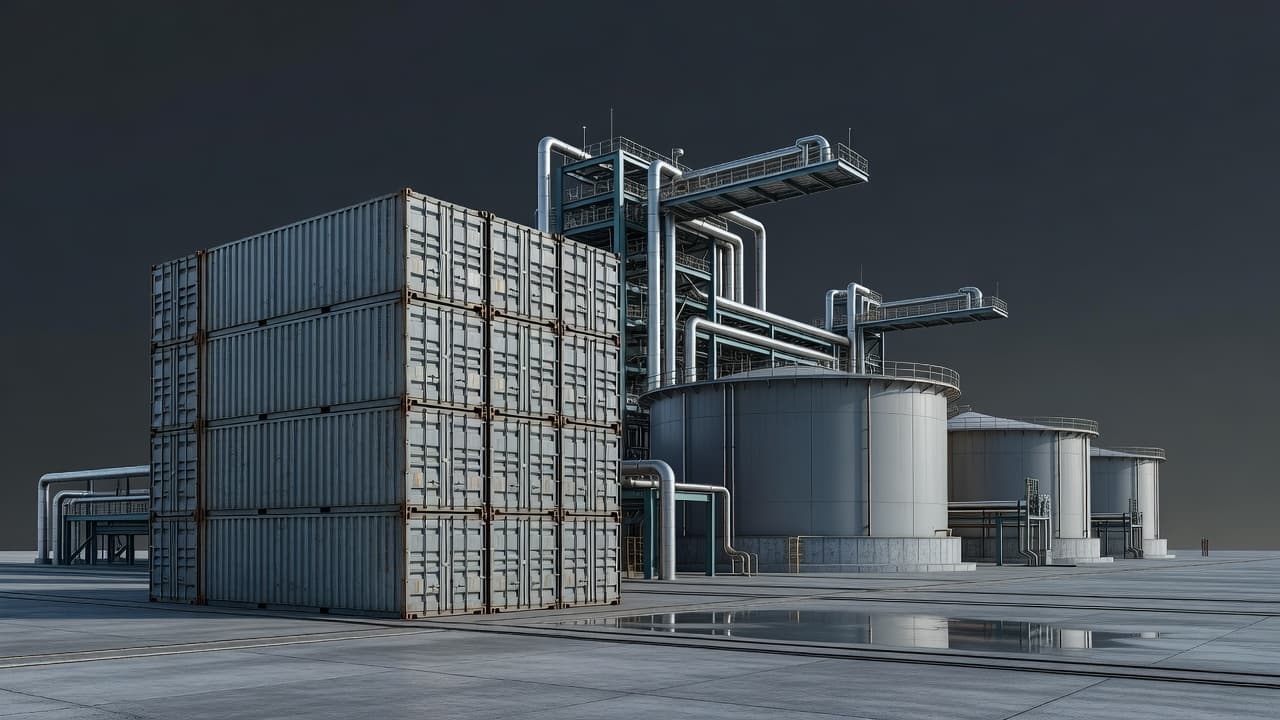
US chemical imports are projected to fall to their lowest level since 2020, while exports are expected to reach their lowest point since 2021. Procurement teams should understand how shifting trade patterns could reshape sourcing strategies, regional supply chains and future market opportunities.
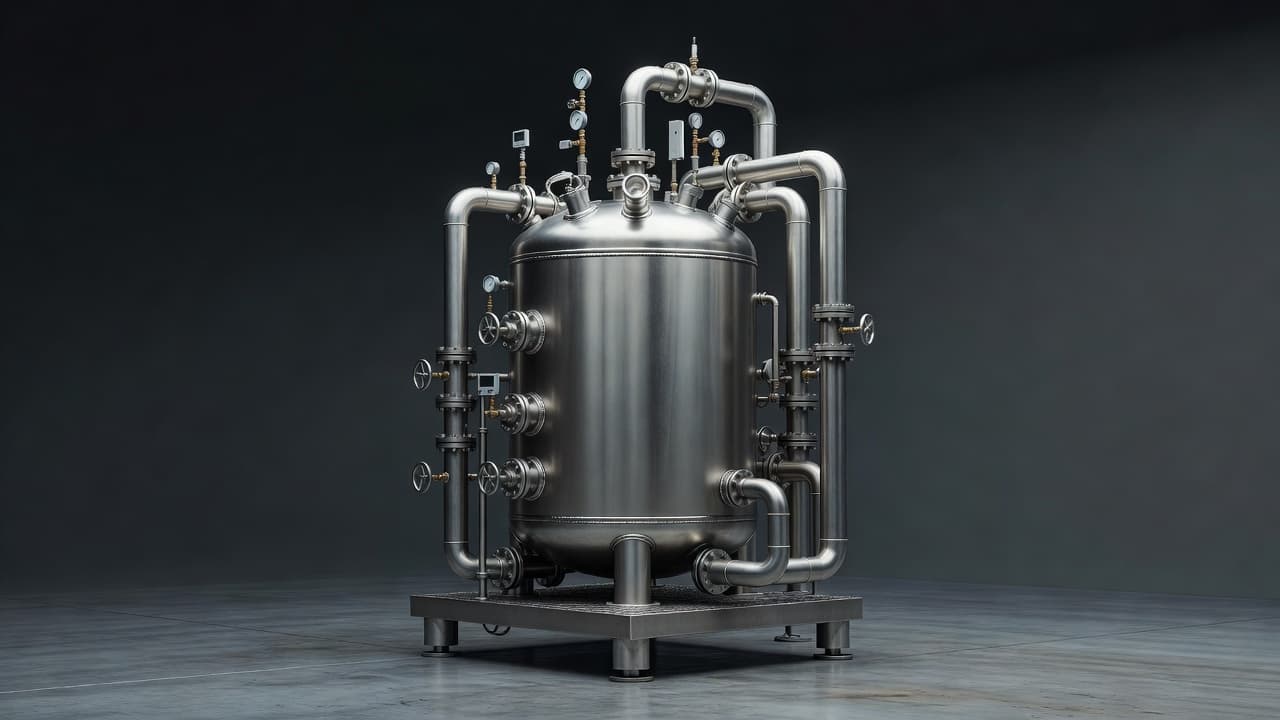
Germany's seasonally adjusted chemical and pharmaceutical production declined 2.8% in the first quarter of 2026 and nearly 6% compared with the previous year. Procurement teams should assess how weaker European output may influence sourcing strategies, inventories and regional supply.

This weekly brief highlights Gulf logistics recovery, structural helium constraints, rising GLP‑1 solvent demand, shifting polymer duties in India, and imminent EU regulatory updates. Procurement teams must adjust sourcing strategies to navigate these evolving risks and opportunities.
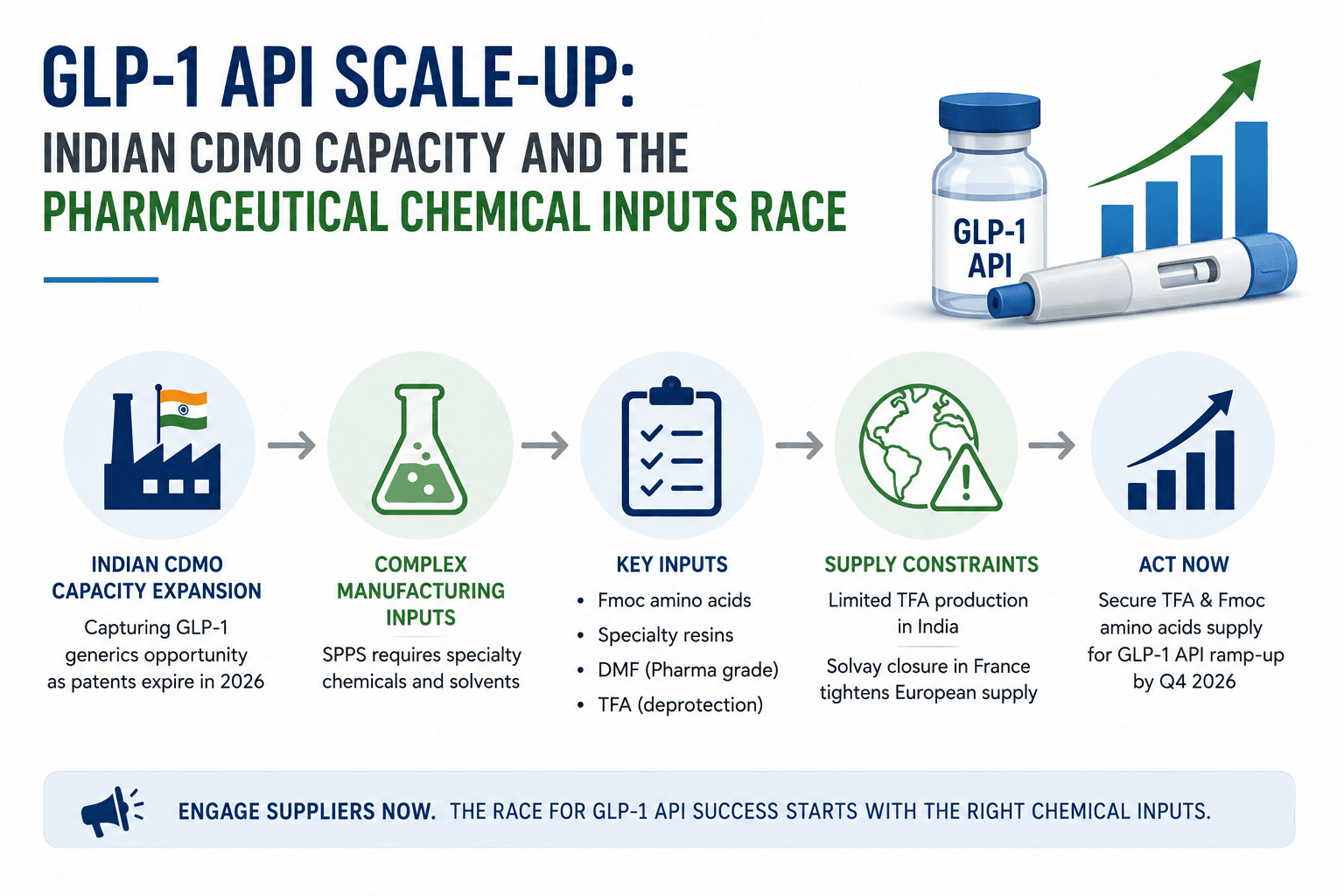
India’s pharmaceutical CDMOs are racing to scale GLP-1 API production as semaglutide and tirzepatide patents expire in 2026. Buyers sourcing TFA, Fmoc amino acids, and peptide synthesis chemicals should prepare for significant supply tightening by Q4.

The 2024 Hormuz crisis rattled global chemical markets, forcing buyers to rethink sourcing. Japan, India, South Korea, the GCC, and Germany were hardest hit, with soaring costs, shortages, and a shift toward diversified procurement. Read how each region adapted its strategy.
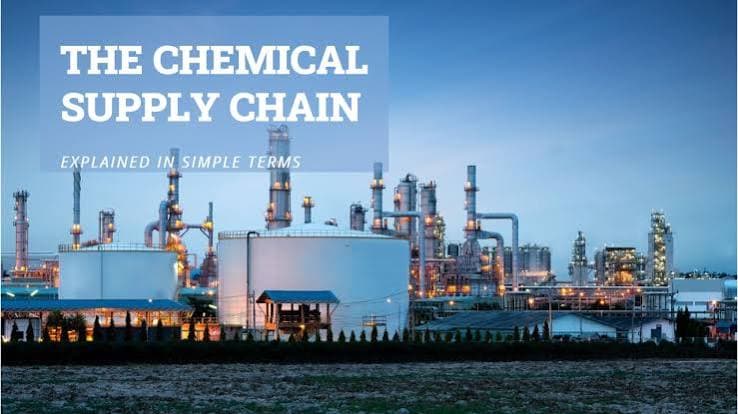
The Hormuz ceasefire agreement has improved sentiment, but supply chain conditions remain far from normal. Vessel congestion, mine clearance operations and production restart delays mean chemical buyers should maintain elevated inventory levels for now.
Estamos comprometidos com sua privacidade. A Tradeasia usa as informações fornecidas para entrar em contato com você sobre conteúdos, produtos e serviços relevantes. Para mais informações, consulte nossa política de privacidade.