The Asian caustic soda market could be approaching a significant turning point. After months of reduced Gulf competition caused by concerns surrounding Hormuz shipping flows, recent developments suggest that regional trade patterns may begin shifting once again.
For much of Q1 and Q2 2026, Indian producers enjoyed unusually favorable market conditions. Reduced availability from Gulf exporters strengthened India's position across key export destinations and supported stronger pricing. Now, with signals pointing toward a gradual recovery in Gulf petrochemical exports, buyers and suppliers alike are reassessing their expectations for the third quarter.
The result is a more competitive environment where procurement teams may gain leverage while producers prepare for increasing pressure on margins and export volumes.
How the Hormuz Disruption Benefited Indian Caustic Soda Producers
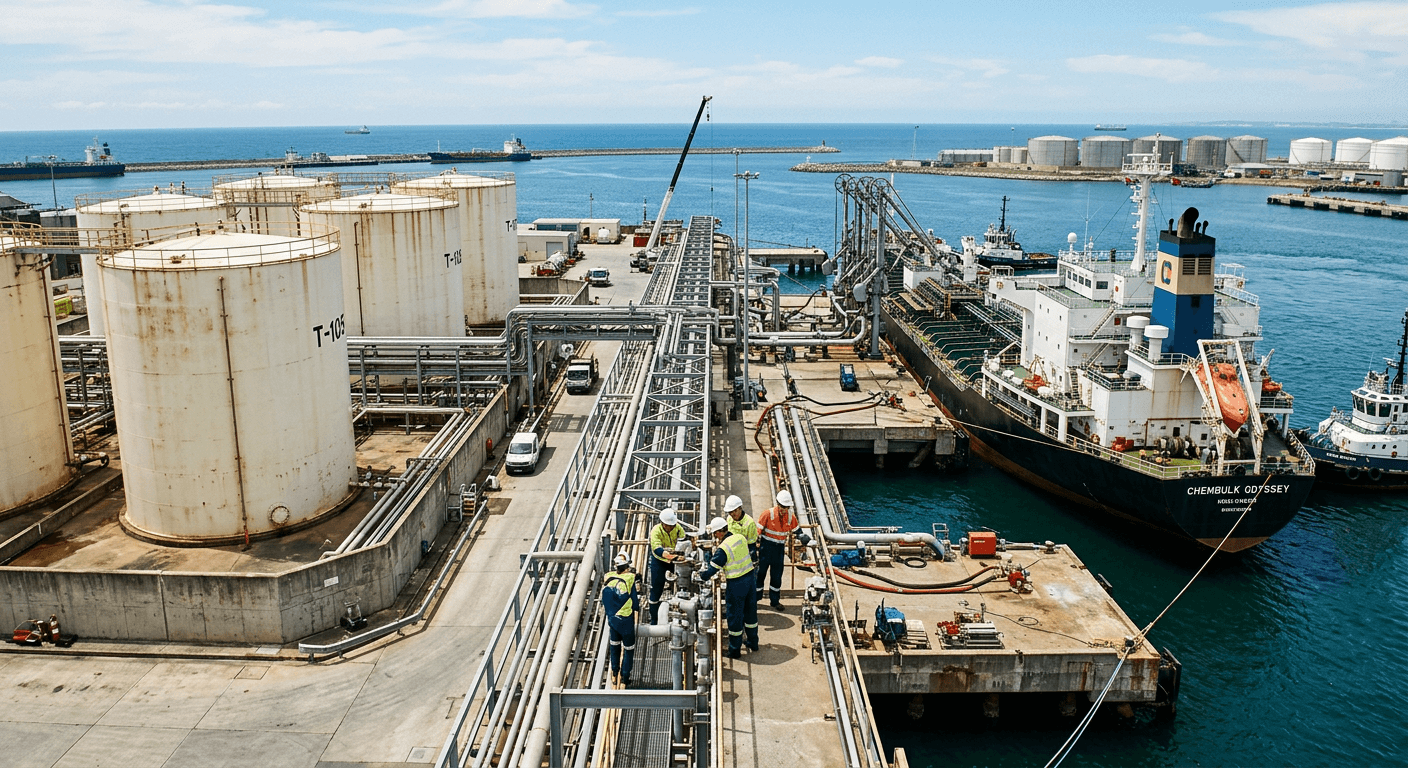
The chlor-alkali industry relies heavily on reliable shipping routes because caustic soda moves across regional markets in substantial volumes.
When uncertainty emerged around Hormuz shipping, Gulf-origin material became less accessible for many Asian buyers. This situation created opportunities for Indian suppliers to expand their influence across neighboring markets.
Several factors supported Indian producers during this period:
Buyers prioritized supply security and shifted purchasing toward alternative origins.
Reduced Gulf participation lowered competitive pressure in export tenders.
Regional inventories tightened in certain markets, supporting stronger pricing.
Existing Indian logistics networks helped suppliers respond quickly to demand.
Major domestic producers benefited from these conditions as export opportunities increased across multiple destinations.
Why Bürgenstock Changes the Market Narrative
Recent diplomatic and commercial developments have altered expectations across petrochemical markets.
Petrochemical export waivers secured during discussions at Bürgenstock suggest that Gulf-origin products may gradually return to regional trade channels. At the same time, statements indicating that shipping activity continued during parts of the disruption have reduced fears of a prolonged supply blockade.
The market now faces a different question.
Instead of focusing on supply shortages, buyers are evaluating how quickly Gulf suppliers can restore their competitive presence and reclaim market share.
Gulf Competition Could Reshape Regional Pricing
Caustic soda pricing often responds quickly when additional export supply enters the market.
Even partial restoration of Gulf exports can influence buyer behavior because procurement teams gain more options during supplier negotiations. Increased competition frequently narrows pricing gaps between exporting regions.
The impact may appear in several ways:
Export offers could become more aggressive as suppliers compete for volume.
Contract negotiations may shift in favor of buyers.
Spot market premiums could soften across key importing countries.
Sellers may offer greater commercial flexibility to secure market share.
The speed of change will depend on actual shipment volumes rather than announcements alone.
The Trade Flow Picture Across Asia
Trade flows changed significantly during the first half of 2026.
Many Southeast Asian consumers increased purchases from India because alternative supply options became less predictable. Textile manufacturers, alumina refiners and pulp producers often favored suppliers that could guarantee delivery schedules.
If Gulf exports recover progressively during Q3, trade routes may rebalance.
Importers that concentrated purchases with a limited group of suppliers could begin rebuilding diversified sourcing portfolios. This shift may improve purchasing flexibility while reducing dependence on any single exporting region.

What Southeast Asian Buyers Stand to Gain
For many industrial consumers, increased supplier competition represents a positive development.
Procurement managers often achieve stronger commercial outcomes when multiple origins actively compete for business. The potential return of Gulf supply may create exactly that environment.
Key advantages for buyers include:
Greater negotiating power during quarterly contract discussions.
Improved ability to compare offers from multiple origins.
Reduced concentration risk within procurement portfolios.
More flexibility when managing inventories and delivery schedules.
These benefits matter particularly for industries with large caustic soda consumption requirements.
Demand from Textile, Alumina and Pulp Industries Remains Critical
Supply conditions tell only part of the story. Demand fundamentals continue influencing market direction.
The textile sector remains a major consumer of caustic soda for processing and finishing operations. Alumina producers rely on significant quantities during refining activities, while pulp and paper manufacturers use caustic soda throughout production processes.
Demand trends in these sectors will determine how much pricing pressure emerges if additional Gulf supply enters the market.
Strong industrial consumption could absorb some of the returning volume. Slower demand growth would likely increase competitive intensity among suppliers.
Export Strategies Indian Producers May Adopt
Indian manufacturers are unlikely to surrender market share without responding strategically.
Many producers spent the past several quarters strengthening customer relationships and expanding their presence in export destinations. Those investments may help retain buyers even as competition increases.
Potential supplier responses include:
Offering longer contract periods to strategic customers.
Expanding logistics support and delivery flexibility.
Focusing on reliability and service quality rather than price alone.
Targeting markets where established commercial relationships remain strong.
Companies with efficient production economics may also compete more effectively if pricing pressure intensifies.
Freight Economics Will Influence the Outcome
Shipping costs remain an important market variable.
Even if Gulf producers regain export momentum, freight economics will continue affecting delivered pricing across Asia. Buyers ultimately evaluate total landed cost rather than simply comparing ex-plant prices.
Several factors deserve attention:
Vessel availability across regional routes.
Insurance and shipping risk premiums.
Port congestion conditions.
Transit times from competing origins.
A supplier with a lower production cost may still lose competitiveness if logistics expenses remain elevated.
Key Indicators Procurement Teams Should Monitor
The next several weeks will provide important signals regarding market direction.
Procurement professionals should focus on measurable indicators rather than relying solely on headlines or market sentiment.
Important metrics include:
Actual Gulf export shipment volumes.
Spot offer frequency from Gulf suppliers.
Export pricing trends from India.
Import demand across Southeast Asia.
Inventory levels at major consuming industries.
Freight rate developments on regional shipping routes.
These indicators will reveal whether competition is genuinely returning or whether the adjustment remains slower than anticipated.
The Bottom Line for Procurement Teams
The caustic soda market appears poised for a more competitive third quarter than many participants expected only a few weeks ago.
Indian producers benefited from favorable conditions during the period of reduced Gulf participation. Those conditions may gradually fade if petrochemical exports continue normalizing and additional volumes return to regional markets.
For buyers, the changing landscape creates opportunities to diversify sourcing strategies and strengthen negotiating positions. Companies that evaluate suppliers across multiple origins, monitor freight developments and maintain procurement flexibility will be best positioned to capitalize on evolving market conditions throughout Q3 2026.
Ready to source Caustic Soda Flakes from verified global suppliers? Explore competitive offers on our platform today.
Caustic Soda Flakes CAS: 1310-73-2