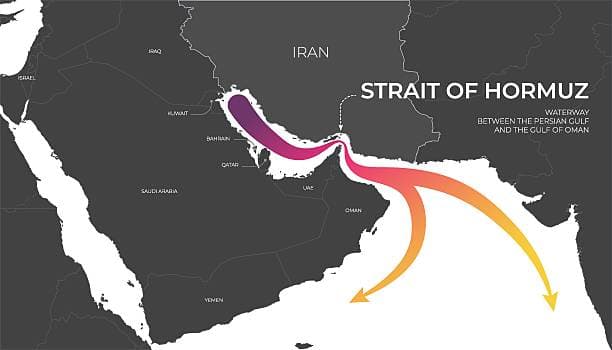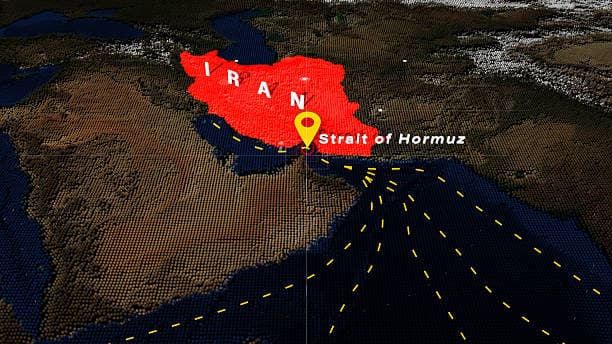

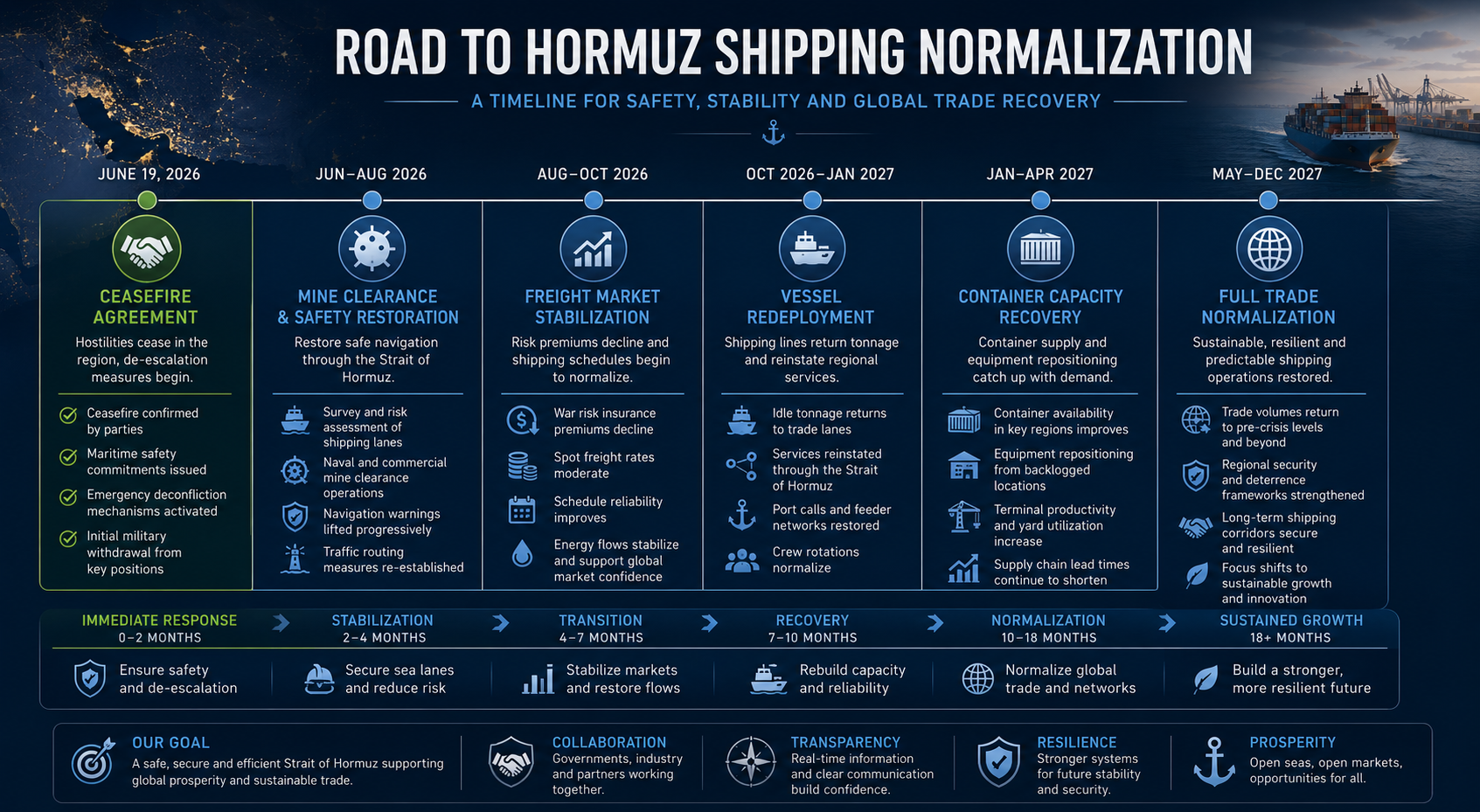
The 2026 Hormuz disruption has created a challenge that extends far beyond freight rates and delayed shipments. Across Asia, the Middle East and global chemical supply chains, buyers are receiving force majeure notifications from producers, traders and logistics providers at a scale not seen since the COVID-19 era.
For procurement teams, the question is no longer simply whether a shipment will arrive. The more important questions are:
Is the supplier legally entitled to suspend delivery?
What documentation is required for insurance claims?
When can contract terms be renegotiated?
How should Letters of Credit be amended?
What records are necessary to protect future legal claims?
Understanding these issues has become a critical procurement skill in 2026.
Why Force Majeure Matters More Than Ever
Force majeure clauses are designed to protect parties when extraordinary events prevent contractual performance.
Typical triggers include:
War and armed conflict.
Government restrictions.
Trade embargoes.
Natural disasters.
Port closures.
Transportation disruptions.
The Hormuz crisis created conditions affecting all of these categories simultaneously.
As a result, chemical producers, traders and shipping companies across:
South Korea.
Japan.
Malaysia.
GCC countries.
have issued force majeure declarations affecting thousands of contracts.
Not Every Force Majeure Notice Is Automatically Valid
One of the biggest misconceptions among buyers is that a force majeure declaration automatically releases the supplier from all obligations.
In reality, validity depends on:
Contract wording.
Governing law.
Evidence provided.
Causal connection to the disruption.
A supplier must typically demonstrate that the event directly prevented performance rather than merely increasing costs.
This distinction becomes extremely important during disputes.
Understanding CISG vs English Law
The legal framework governing the contract significantly affects buyer rights.
CISG Contracts
The United Nations Convention on Contracts for the International Sale of Goods (CISG) generally allows exemption from liability when an impediment beyond reasonable control prevents performance.
Key considerations include:
Was the event unforeseeable?
Could it have been avoided?
Was performance genuinely impossible?
The burden of proof typically rests with the party invoking the exemption.
English Law Contracts
English law generally places greater emphasis on:
Contract wording.
Force majeure clause specifics.
Frustration doctrines.
Evidence of actual impossibility.
English-law contracts often require more precise compliance with notification procedures.
Local Law Considerations
Many contracts reference local jurisdiction requirements which may:
Impose notification deadlines.
Require government certificates.
Establish documentary standards.
Define force majeure differently.
Procurement teams should always verify governing law before responding to a force majeure claim.
The Documents Every Buyer Should Request
When a supplier invokes force majeure, documentation becomes critical.
At minimum, buyers should request:
Formal Force Majeure Notice
The notice should clearly identify:
The triggering event.
Impact on supply.
Expected duration.
Affected products.
Supporting Evidence
Examples include:
Port closure notices.
Government directives.
Shipping advisories.
Carrier notifications.
Terminal operating restrictions.
Mitigation Plan
Buyers should ask:
What alternatives were explored?
Are substitute production sites available?
Can partial deliveries continue?
A credible mitigation plan often reveals whether the supplier is actively managing the disruption.
Insurance Claims Require Early Documentation
Many buyers make the mistake of collecting evidence after losses occur.
Documentation should begin immediately.
Key records include:
Purchase orders.
Sales contracts.
Shipping confirmations.
Delivery schedules.
Correspondence records.
Supplier notifications.
For insurance purposes, maintaining a clear timeline is often just as important as proving financial loss.
Managing Certificates of Analysis (CoAs)
Quality documentation remains essential even during disruptions.
Procurement teams should ensure that:
CoAs remain batch-specific.
Delayed shipments retain traceability.
Revised production lots are documented.
Quality specifications remain unchanged.
Emergency substitutions without updated quality documentation can create downstream regulatory and operational risks.
Bills of Lading Deserve Special Attention
The Bill of Lading (B/L) remains one of the most important shipping documents during supply chain disruptions.
Buyers should verify:
Shipment dates.
Port of loading.
Port of discharge.
Vessel information.
Cargo descriptions.
Changes resulting from rerouting or transshipment should be documented immediately to avoid customs and insurance complications.
Letter of Credit Amendments Are Increasing
The current environment has created a surge in LC amendments.
Common reasons include:
Delayed shipment dates.
Port changes.
Extended validity periods.
Revised documentation deadlines.
Failure to amend LC terms promptly can result in payment complications even when cargo eventually arrives.
Procurement and finance teams should coordinate closely whenever force majeure affects shipment schedules.
When Should Buyers Renegotiate Pricing?
Force majeure and price renegotiation are not the same thing.
However, major disruptions frequently trigger commercial discussions.
Situations that may justify renegotiation include:
Extraordinary freight increases.
Supply shortages.
Extended delivery delays.
Tariff changes.
Regulatory cost increases.
Buyers should review:
Price adjustment clauses.
Hardship provisions.
Freight escalation terms.
Contract review mechanisms.
Waiting until after a shipment problem occurs often weakens negotiating leverage.
Red Flags Procurement Teams Should Watch
Several warning signs warrant closer scrutiny:
Generic force majeure notices.
Lack of supporting evidence.
No mitigation plan.
Refusal to provide shipping documentation.
Repeated declarations without operational updates.
These may indicate commercial challenges rather than genuine force majeure conditions.
Building a Documentation File for Every Major Shipment
Leading procurement organizations increasingly maintain dedicated disruption files containing:
Contracts.
Amendments.
Correspondence.
Shipping records.
Insurance documentation.
Legal opinions.
This approach significantly improves response speed during disputes and claims.
The Bottom Line
The Hormuz crisis has transformed force majeure management from a legal back-office function into a core procurement responsibility. Chemical buyers now face an environment where supply disruptions, shipping delays and contractual uncertainty are affecting multiple regions and product categories simultaneously.
The most effective response is disciplined documentation. Procurement teams that systematically collect force majeure notices, CoAs, bills of lading, LC amendments and insurance records place themselves in a far stronger position to protect commercial interests and recover losses where appropriate.
In 2026, documentation is no longer just an administrative requirement—it is a strategic risk-management tool.
Looking for guidance on chemical procurement, trade compliance and supply chain risk management? Explore the latest industry insights and sourcing solutions on our platform today.
2-Ethylhexyl Acrylate CAS: 103-11-7