

Insights relacionados

The Role of Packaging in Shaping Consumer Purchase Intention
The findings of a recent study by the University of Bonn and Forschungszentrum Jülich, customers value environmental responsibility in packaging made of paper in particular. However, they often have reservations about novel items like paper-based bottles. The study involved a survey of nearly 3,000

How Stearic Acid Can Benefit Both Your Skin and the Environment
We frequently concentrate on the advantages skincare products can offer for our skin while deciding on them. However, have you ever paused to think about how these products affect the environment? It's crucial to look into the role that skincare products and the ingredients they contain play in this

Tall Oil Fatty Acid (TOFA) and Crude Tall Oil (CTO): Forest Chemistry Meeting Green Chemistry
Tall oil chemistry is emerging as one of the most compelling renewable alternatives to petroleum-derived feedstocks. As companies pursue lower-carbon supply chains and stronger sustainability credentials, TOFA and other tall oil derivatives are gaining attention across lubricants, coatings, adhesives and biofuel markets.
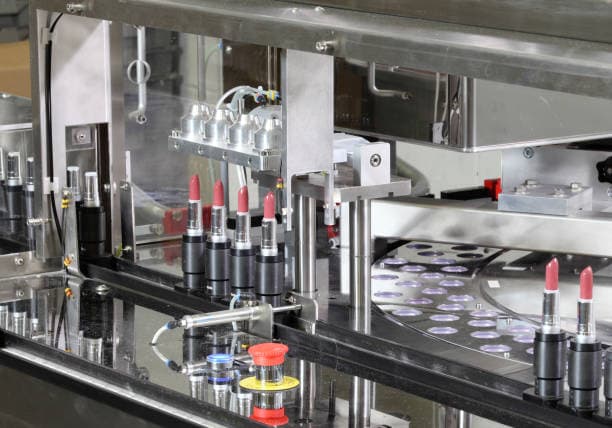
Toray’s Biobased 2‑Pyrrolidone: A Specialty Chemical Bet on Cosmetics Manufacturing
Toray Industries has unveiled a renewable 2‑pyrrolidone production route that meets the rising demand for eco‑friendly specialty chemicals in cosmetics, solvents, polymers, and beverages. The process uses plant‑derived feedstocks to deliver high‑purity intermediates while cutting greenhouse gas emissions.
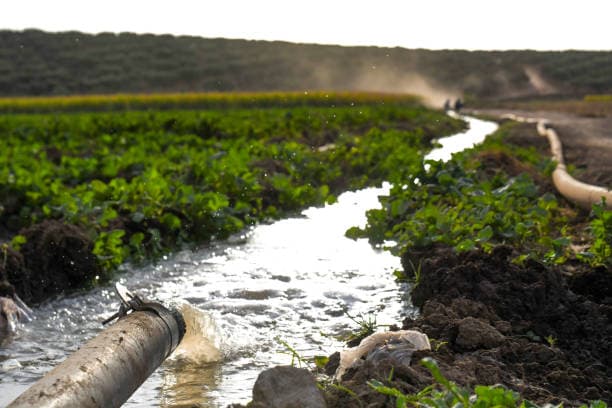
Water‑Scarce Food Production: Why Ingredient Suppliers Are Rethinking Processing
Water scarcity is forcing food ingredient manufacturers to overhaul their processing methods. By investing in water‑efficient technologies, improving resource management, and adopting sustainable production practices, suppliers are turning a challenge into an opportunity for environmental stewardship and long‑term resilience.

Net‑Zero Chemical Roadmaps Re‑calibrated After 135 Days of Hormuz Disruption
The 135‑day Hormuz crisis has forced the chemical sector to rethink its net‑zero strategies, pushing green hydrogen, green ammonia, and carbon capture to the forefront. Energy price swings and Scope 3 emissions demand tighter CSRD reporting and a faster climate transition. The industry must adapt quickly to stay on track.
Não perca nossas atualizações! Assine nossa newsletter agora
Estamos comprometidos com sua privacidade. A Tradeasia usa as informações fornecidas para entrar em contato com você sobre conteúdos, produtos e serviços relevantes. Para mais informações, consulte nossa política de privacidade.