
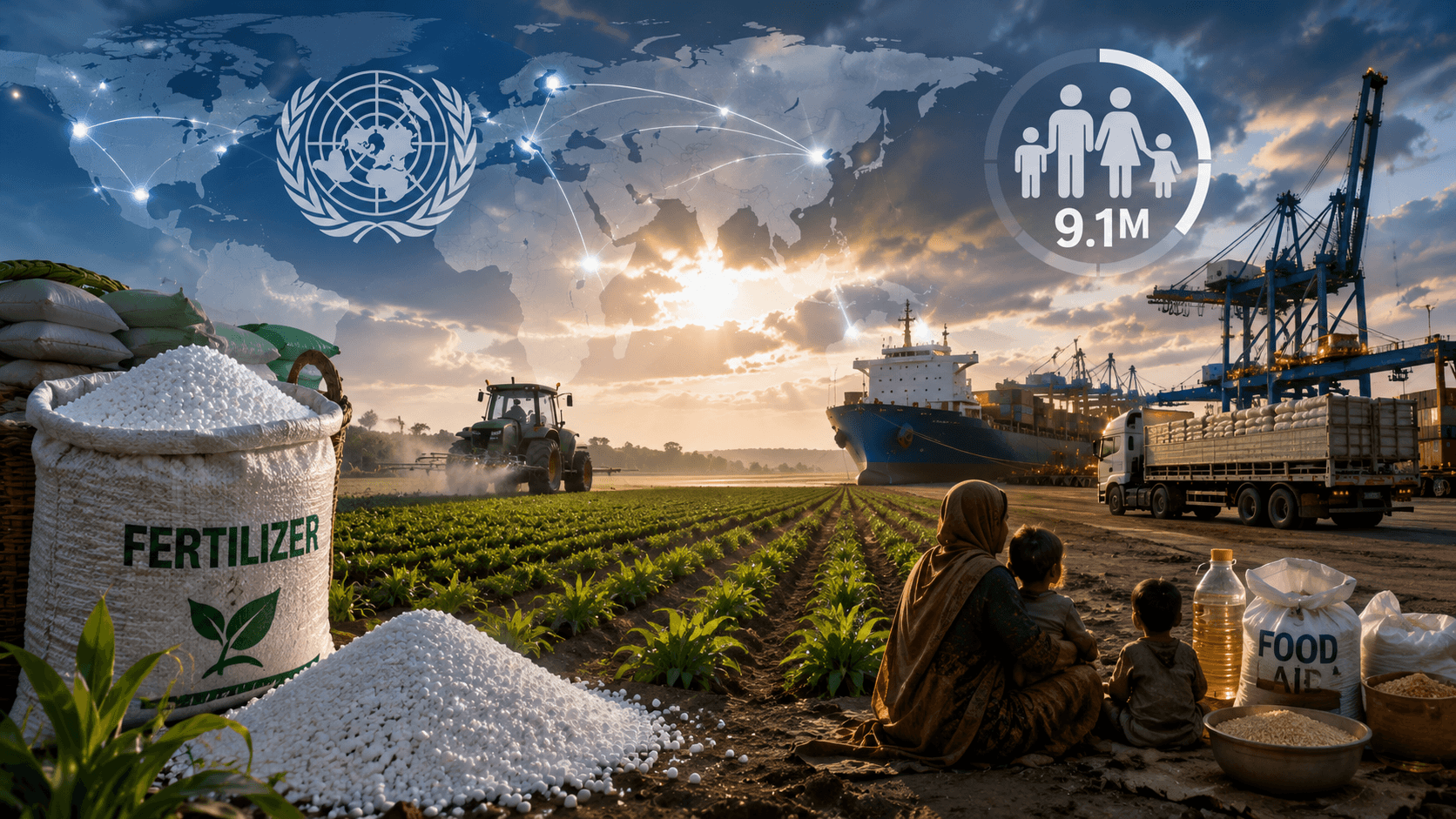
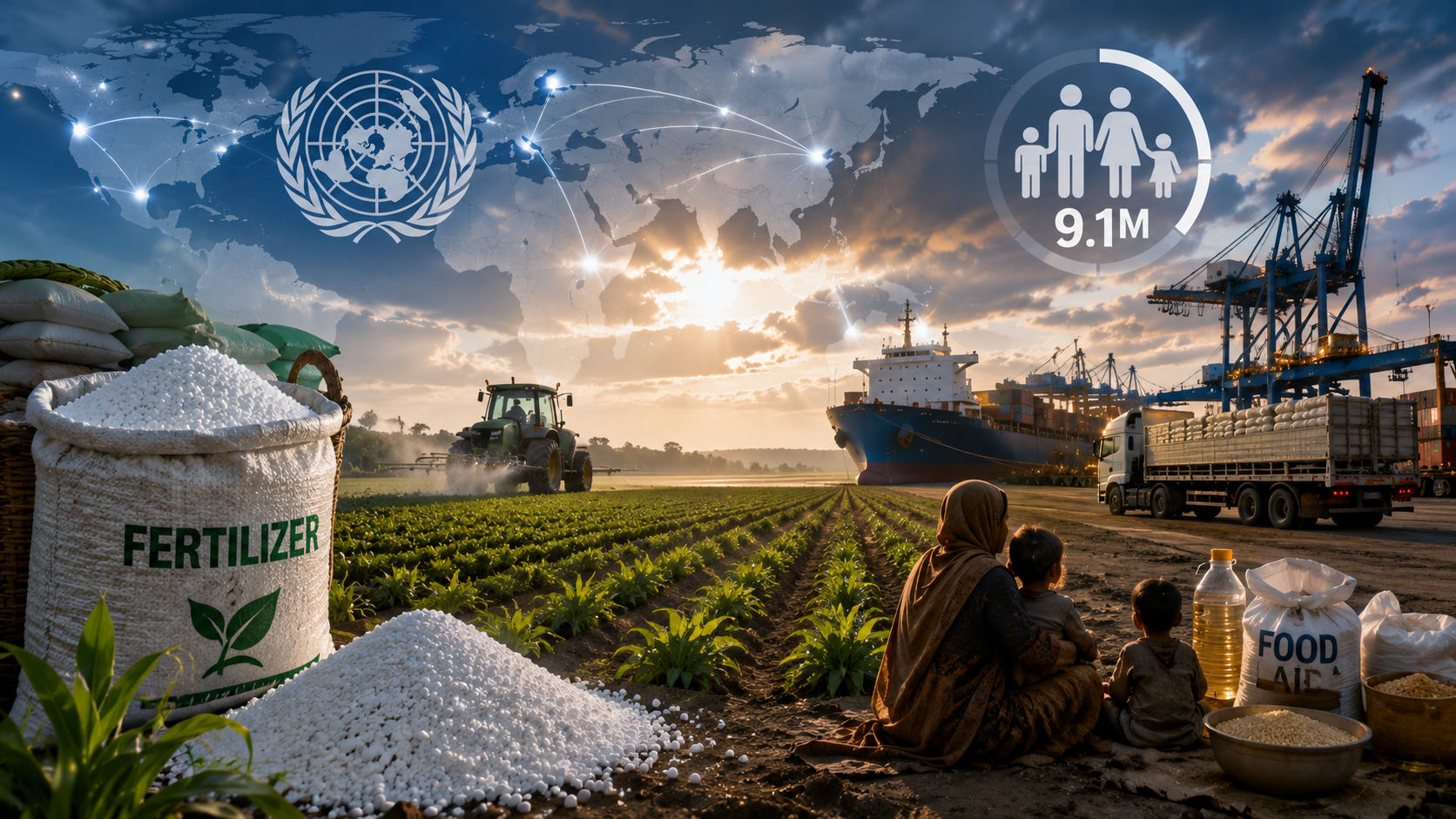
Deoiled Rice Bran
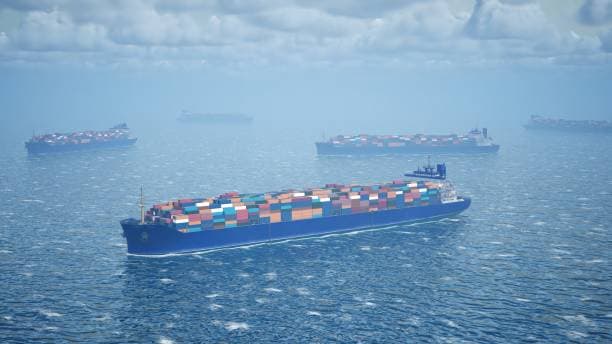
Approximately 6,000 seafarers are trapped in the Gulf as vessel movements through the Strait of Hormuz fall below normal levels. This bottleneck is not only an operational headache for shipping lines but also a humanitarian crisis and a threat to the chemical supply chain that fuels global commerce. The article explores the ripple effects across maritime logistics, crew welfare, and chemical transport.
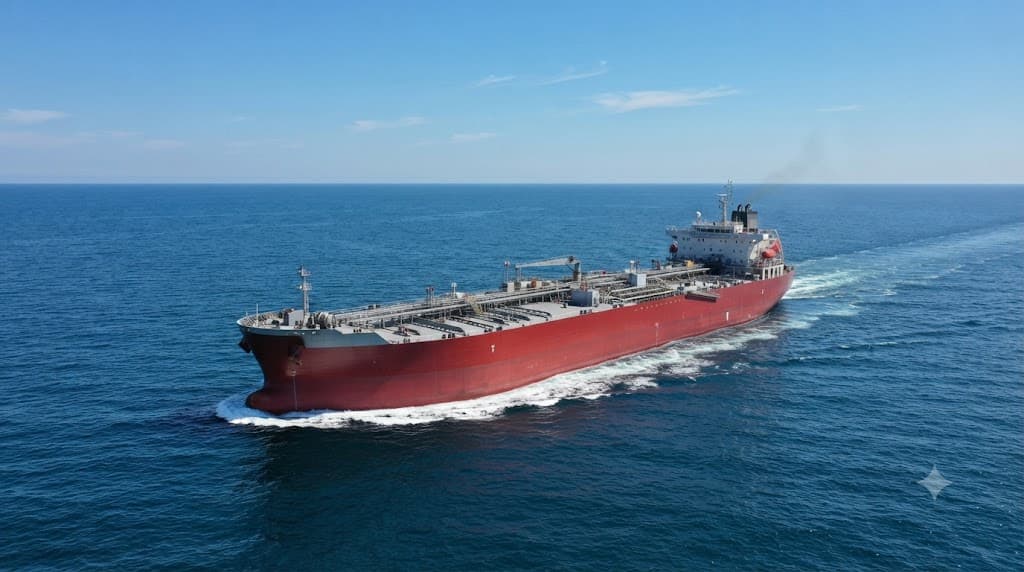
The current escalation has directly touched Iran, the US, Kuwait, the UAE, Oman, Jordan, Saudi Arabia and Yemen. Chemical buyers must rank this expanded footprint against past crises to adjust procurement strategies.

The withdrawal of the proposed 20% Hormuz cargo fee only days after it was announced highlights how quickly trade policy can change. Chemical procurement and compliance teams should document policy shifts and maintain flexible compliance processes to reduce operational risk.
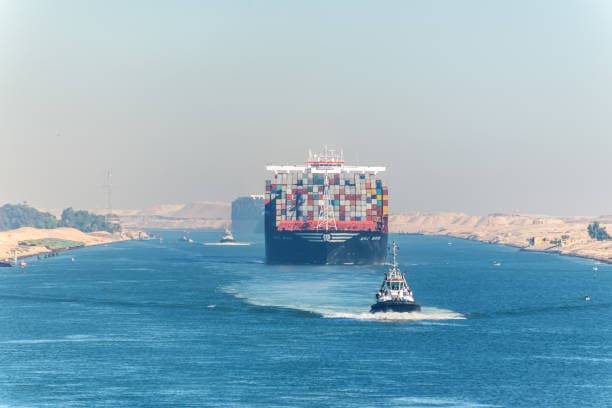
The Houthis are once again threatening to close the Red Sea shipping lanes, a move that could ripple across global trade, freight costs, and chemical logistics. This article examines how the threat impacts freight disruption, fertilizer shipping, and supply chain risk, and explores alternative routes and mitigation strategies.

A reported 520,000-tonne acrylonitrile data reversal in early July 2026 highlights how production statistics can change rapidly and influence market expectations. Procurement teams should understand why reliable market intelligence is just as important as pricing when making sourcing decisions.
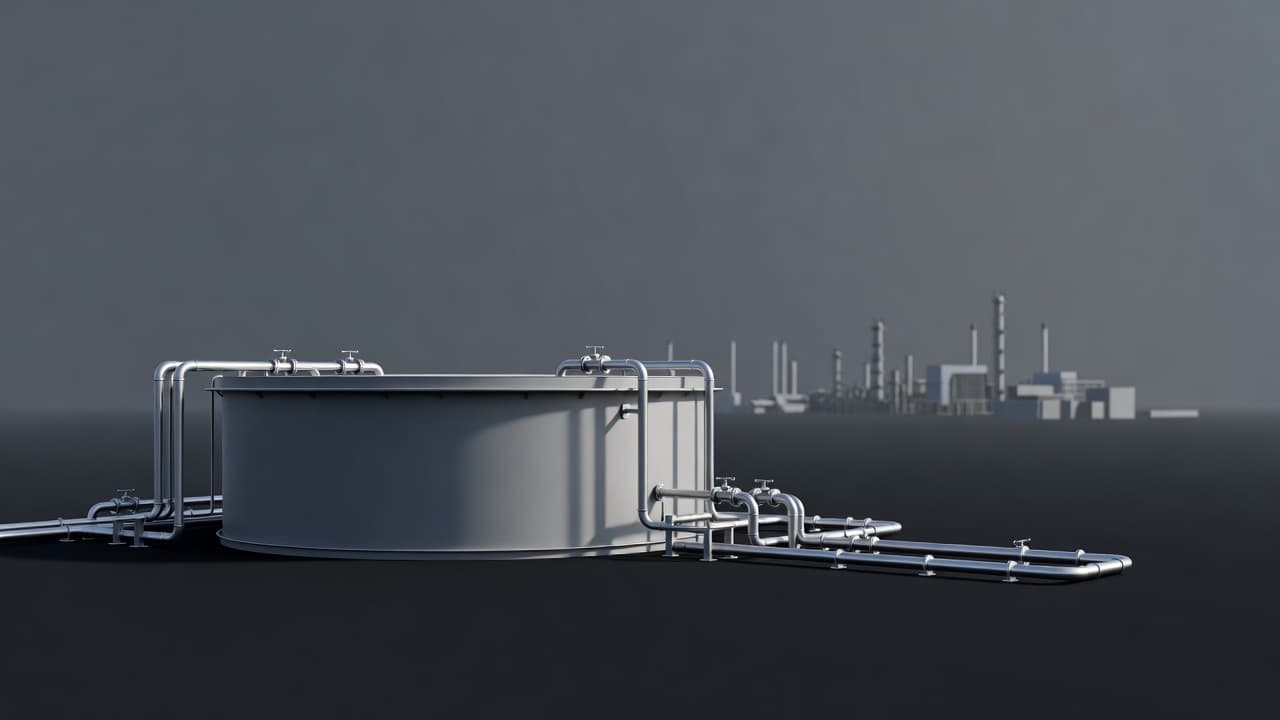
The Strait of Hormuz disruption is increasingly viewed as a long-term turning point rather than a temporary supply shock. Procurement teams are adapting sourcing strategies, supplier networks and inventory policies for a more resilient petrochemical supply chain.
Estamos comprometidos com sua privacidade. A Tradeasia usa as informações fornecidas para entrar em contato com você sobre conteúdos, produtos e serviços relevantes. Para mais informações, consulte nossa política de privacidade.