
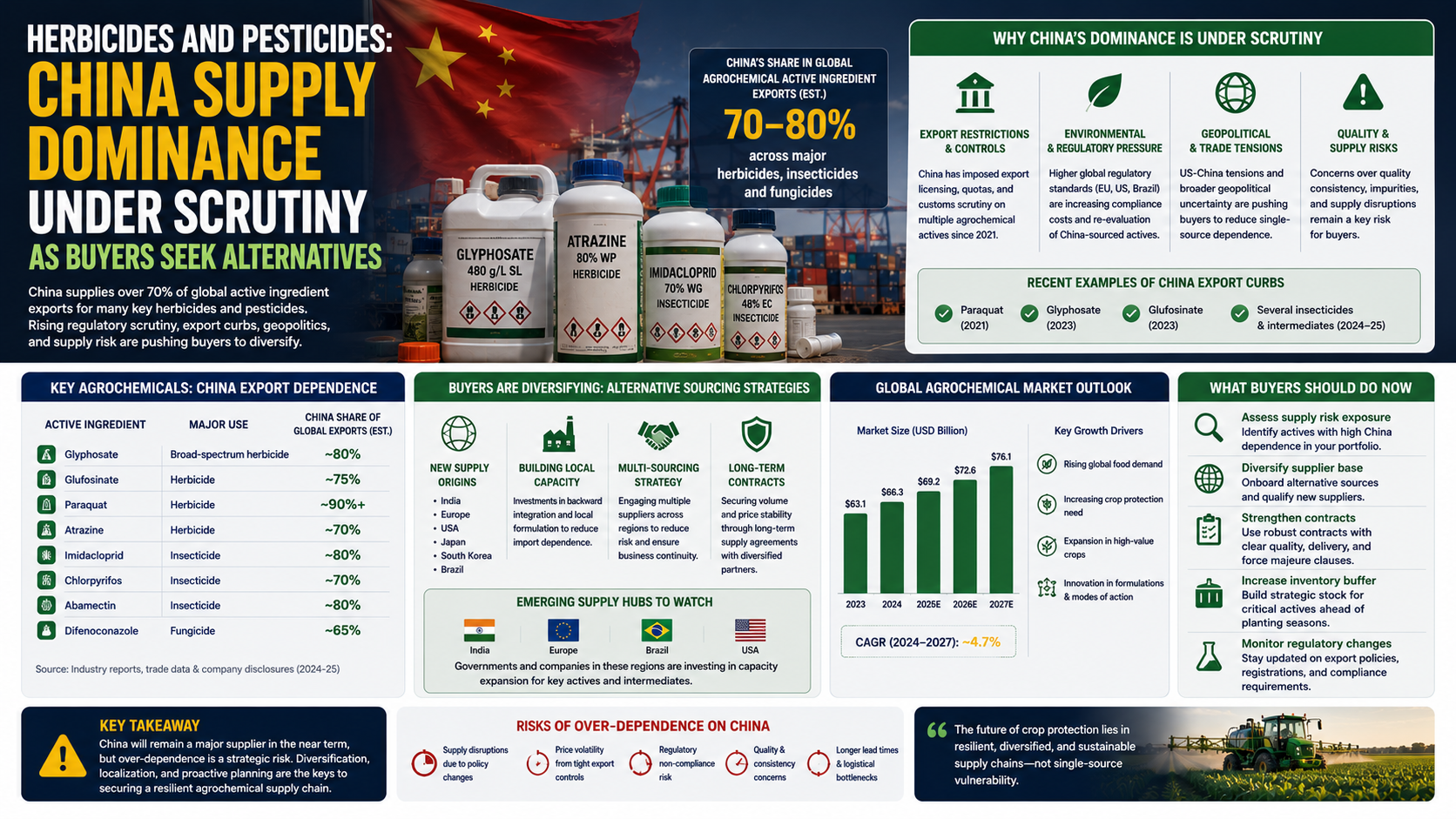
Calcium Hydroxide - China CAS: 1305-62-0
Calcium Hydroxide - China CAS: 1305-62-0

Retailers are tightening their standards on synthetic food dyes, setting 2026‑2027 deadlines that force manufacturers to reexamine ingredient sourcing and reformulation strategies. The shift toward natural colorants and clean‑label compliance reshapes product development, cost structures, and supply chains. This article breaks down the commitments, impacts, and practical steps for food companies.

The EU’s new One Substance-One Assessment framework officially launched July 1, reshaping compliance workflows for food ingredient buyers supplying into Europe. Companies sourcing modified starches and food additives must now adapt to ECHA’s centralized regulatory architecture and updated compliance processes.
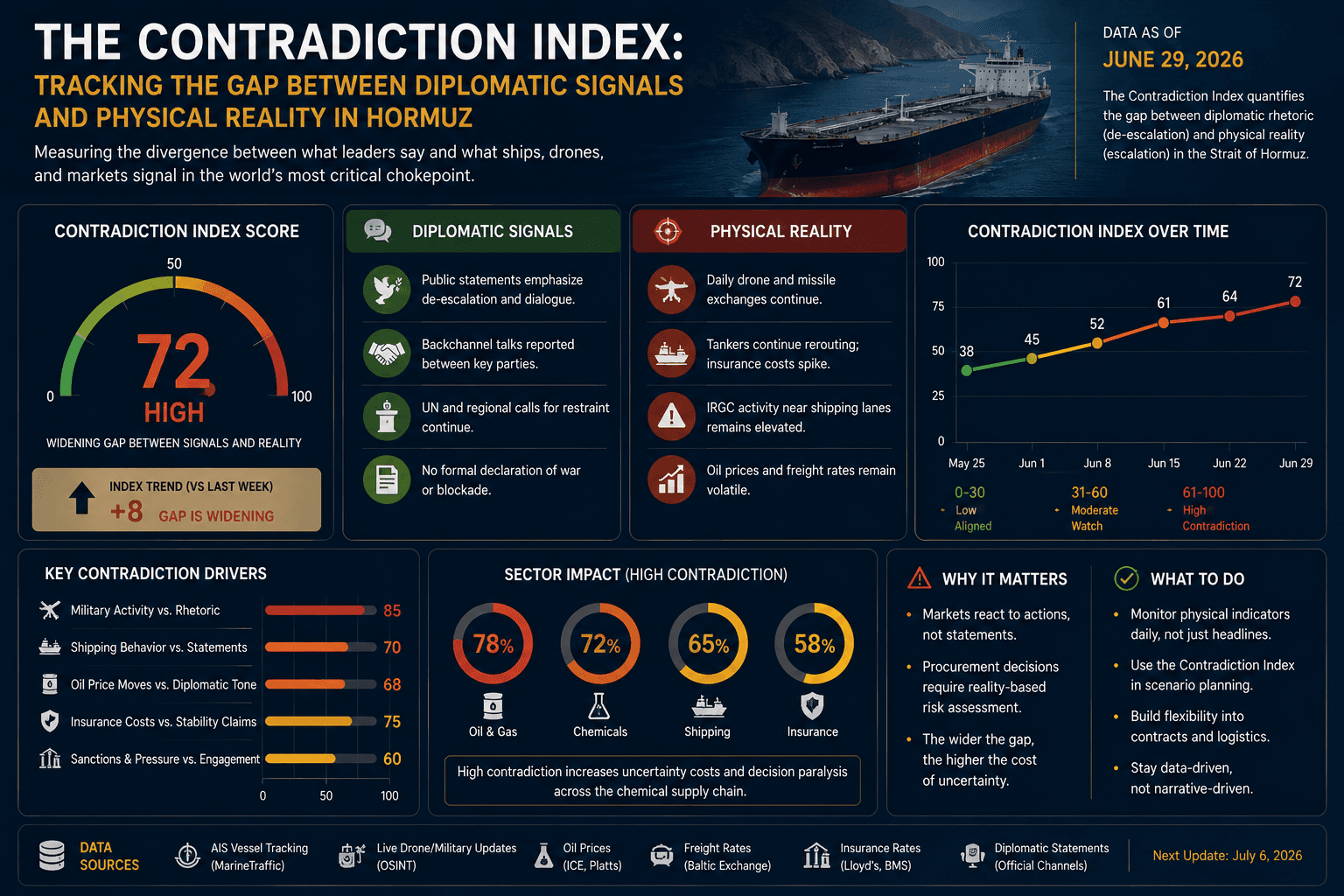
July 1 reveals the biggest contradiction of the Hormuz crisis so far: diplomacy suggests progress, but physical shipping data shows continued disruption. For chemical procurement professionals, understanding the gap between political signals and operational reality has become essential for making correct supply chain decisions.
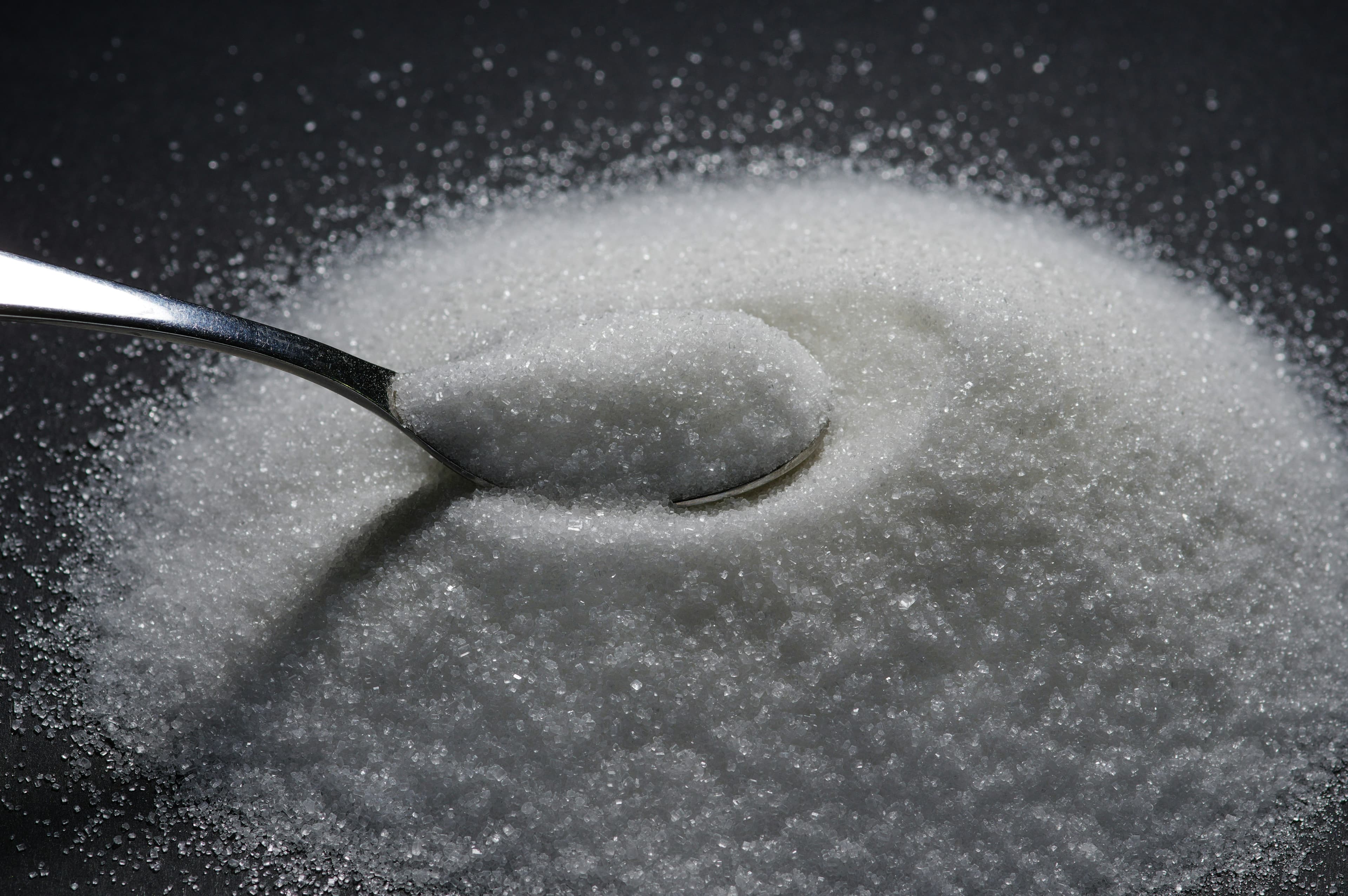
India's integrated sorbitol production capacity is strengthening its position as a reliable alternative sourcing destination.

Pharmaceutical-grade glycerin is experiencing sustained price pressure in 2026 as disruptions across the global oleochemical supply chain raise production costs. Pharmaceutical and personal care buyers are increasingly prioritizing supply security as the premium between pharma and technical-grade glycerin widens.
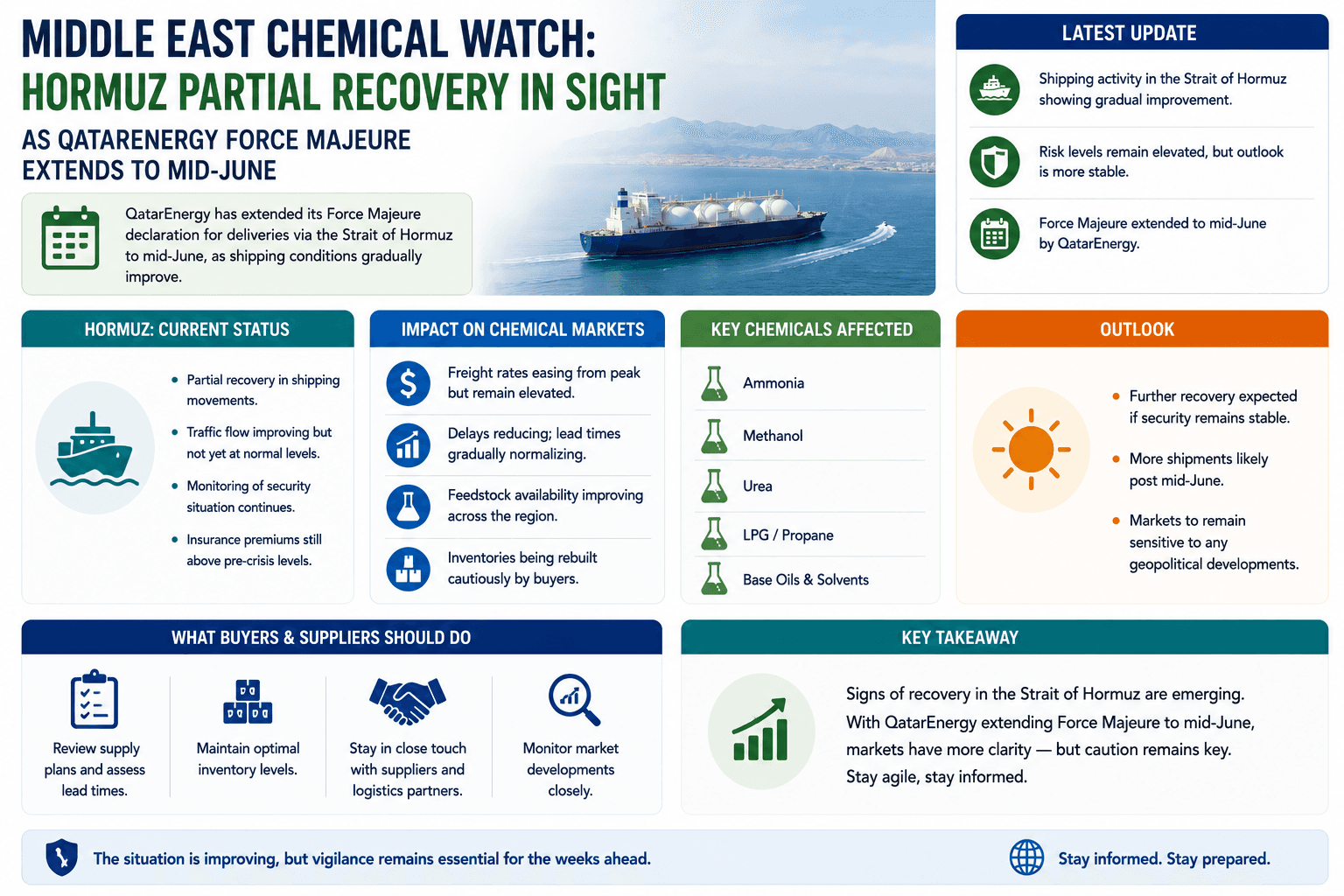
Middle East chemical supply recovery after the Hormuz crisis will likely take far longer than expected. With QatarEnergy extending force majeure and ICIS forecasting a 12–18 month normalization period, buyers should prepare for prolonged pricing pressure through H2 2026.
Estamos comprometidos com sua privacidade. A Tradeasia usa as informações fornecidas para entrar em contato com você sobre conteúdos, produtos e serviços relevantes. Para mais informações, consulte nossa política de privacidade.