

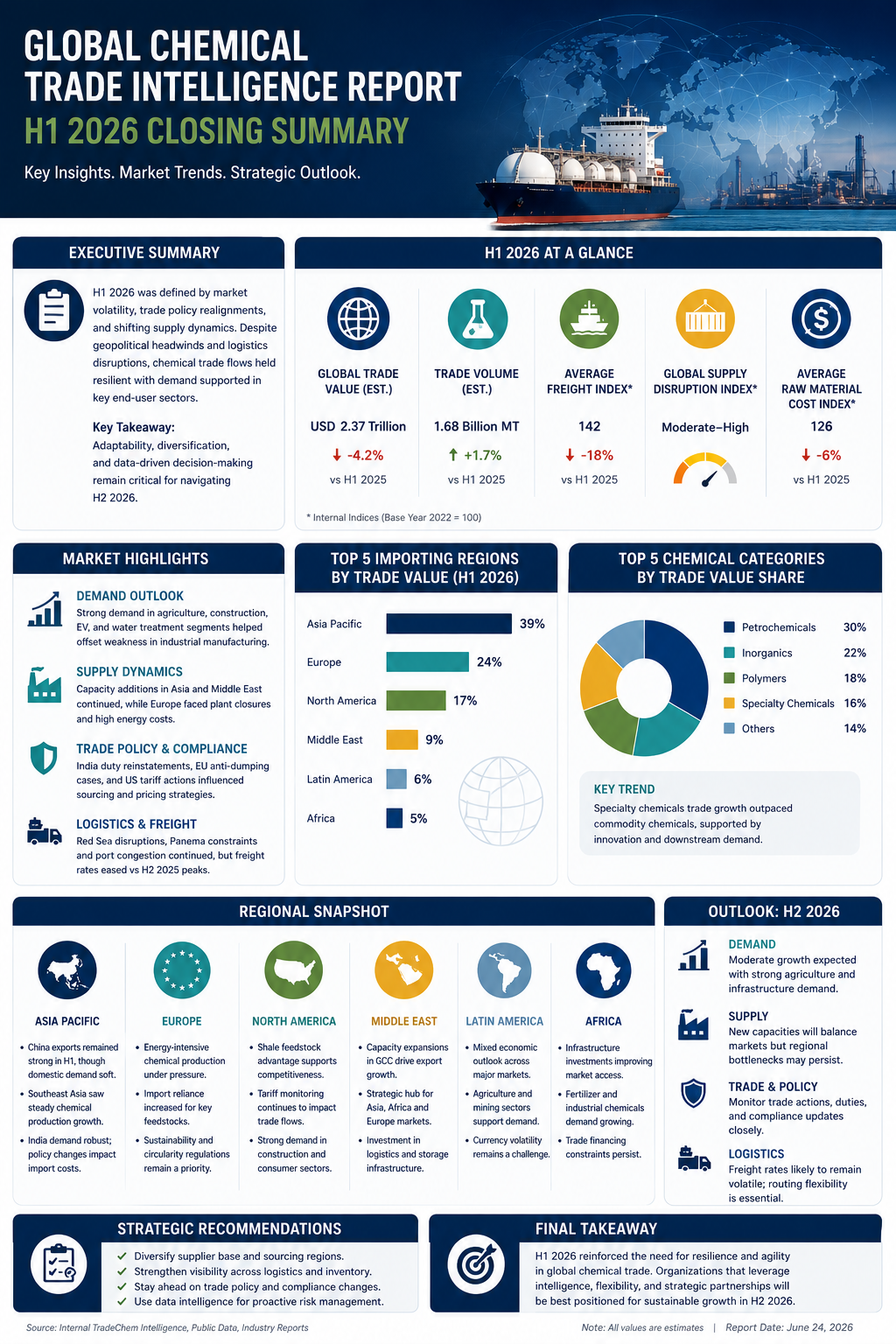
Insights relacionados

Gulf Refineries Lag Behind Crude Recovery: Export Restart Delays
Despite a steady rise in crude output, Gulf refineries are still catching up, creating a mismatch between supply and demand for refined products. This article explores the causes, the effects on petrochemical feedstocks, and how export logistics are being reshaped by the slowdown.
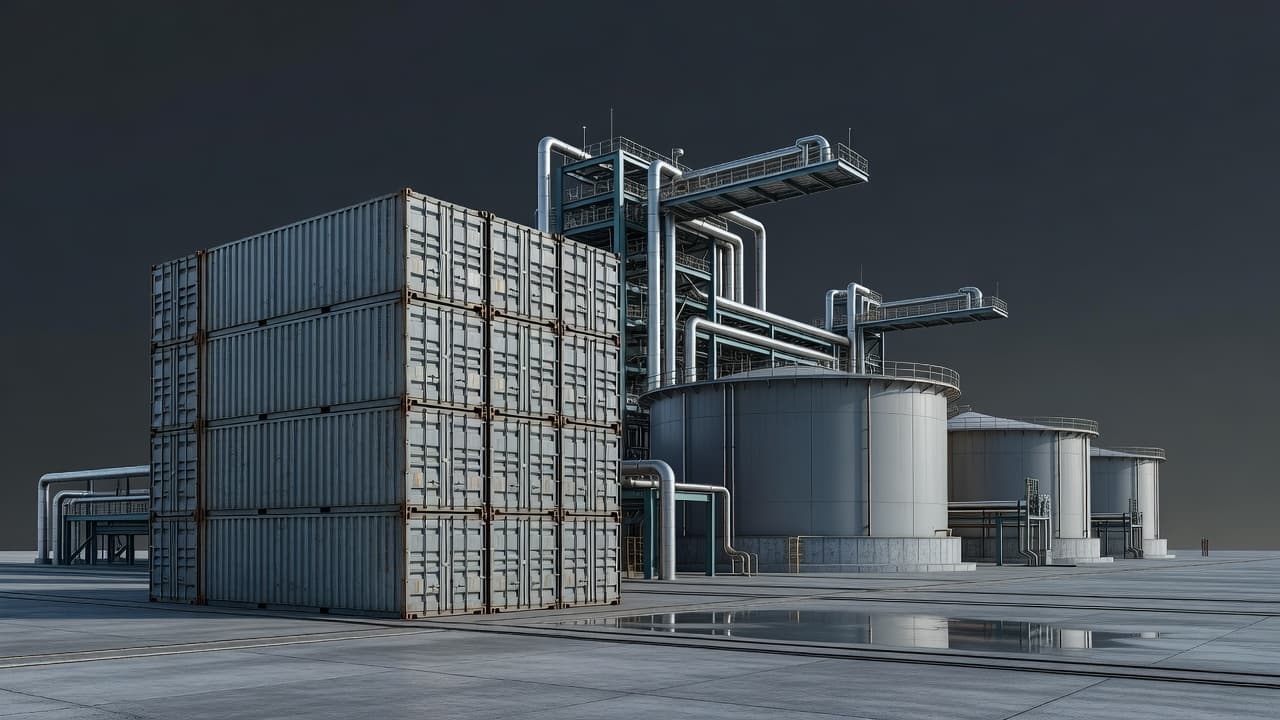
US Chemical Imports Hit a Six-Year Low: What Falling Trade Volumes Mean for Global Chemical Buyers
US chemical imports are projected to fall to their lowest level since 2020, while exports are expected to reach their lowest point since 2021. Procurement teams should understand how shifting trade patterns could reshape sourcing strategies, regional supply chains and future market opportunities.

The Chemical Procurement Profession After 125 Days: What Has Permanently Changed
A definitive analytical article for Day 125 of the Hormuz crisis: what has permanently changed about the chemical procurement profession itself, not just the market conditions it manages.
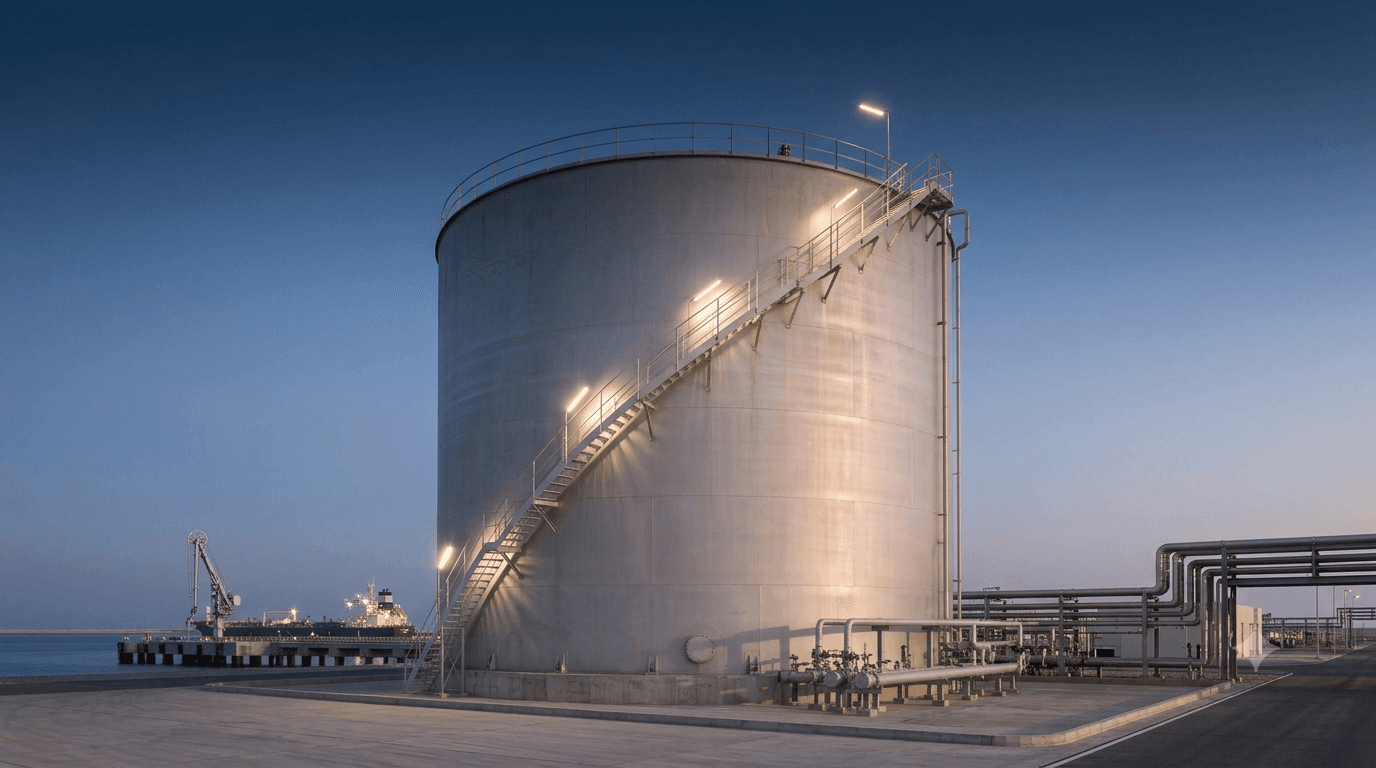
Thailand's Emergency Fuel Export Ban: A Case Study in Downstream Chemical Disruption and Supply Chain Risk
Thailand's emergency fuel export ban highlighted how government intervention can rapidly disrupt downstream chemical supply chains. Procurement teams that rely on Thai petrochemical exports can use this case to strengthen sourcing strategies and reduce exposure to sudden market shocks.
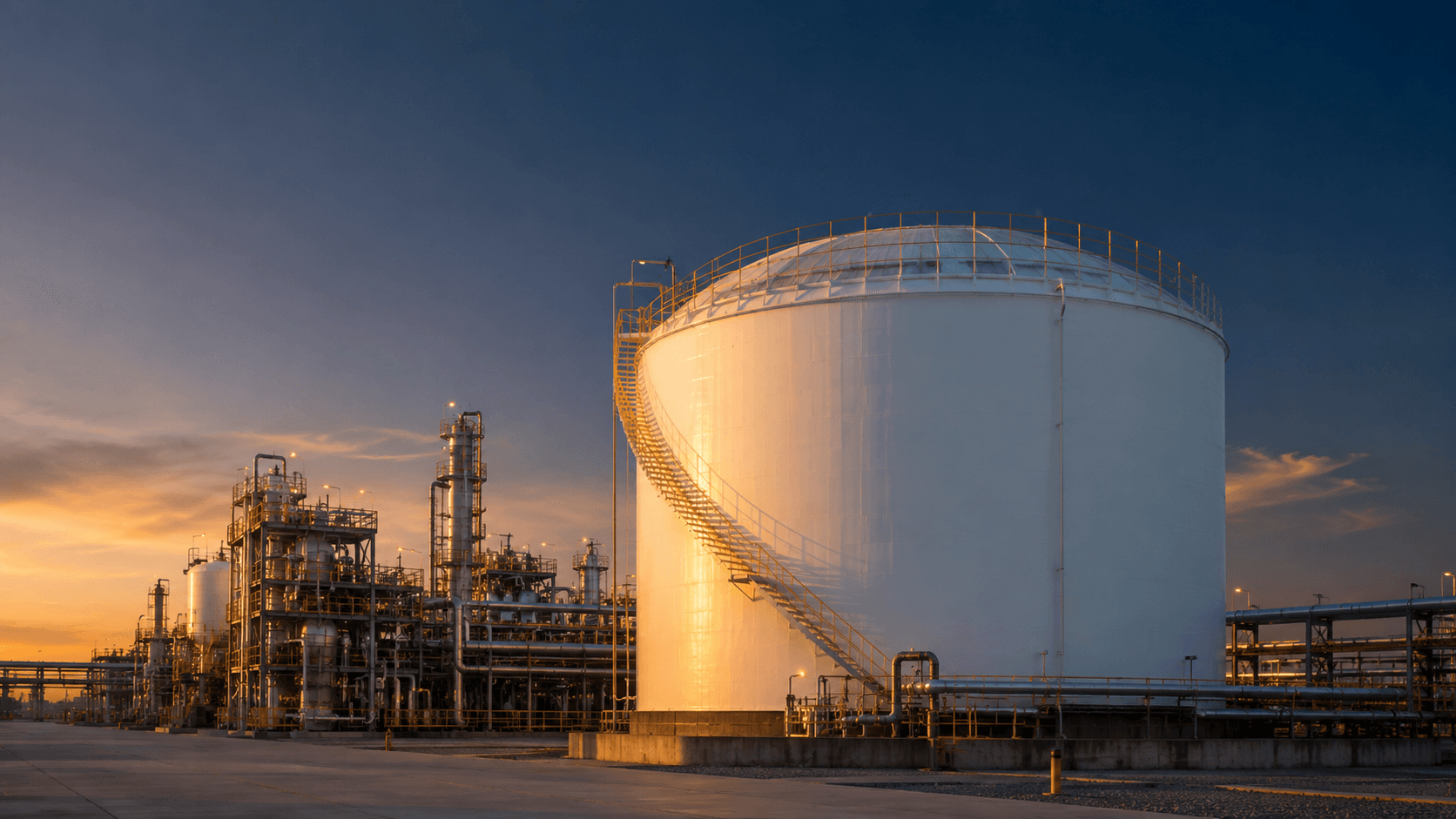
Golden Triangle Polymers: What QatarEnergy's Texas Joint Venture Could Mean for Global Polyethylene Markets
Golden Triangle Polymers represents one of the largest petrochemical investments entering operation in 2026. This analysis explores how the project could reshape HDPE and LLDPE supply, influence global trade flows and why procurement teams are closely watching market developments.
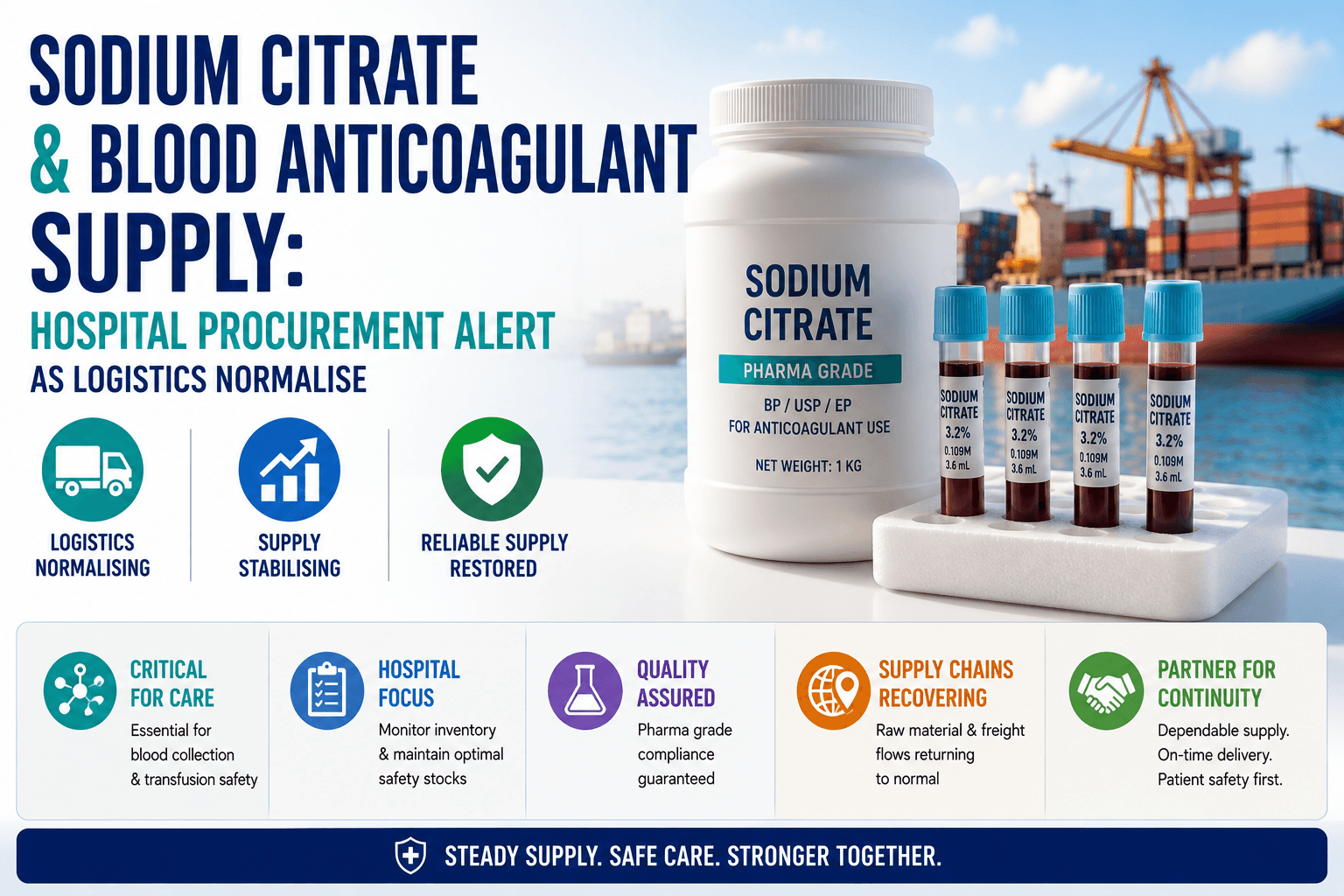
Sodium Citrate and Blood Anticoagulant Supply: Hospital Procurement Alert as Logistics Normalise
Sodium citrate supply is stabilizing as global logistics recover and freight costs begin easing. Hospital procurement teams should use the next 6–8 weeks to rebuild safety stock levels after months of inventory drawdown during the 2026 supply disruption.
Não perca nossas atualizações! Assine nossa newsletter agora
Estamos comprometidos com sua privacidade. A Tradeasia usa as informações fornecidas para entrar em contato com você sobre conteúdos, produtos e serviços relevantes. Para mais informações, consulte nossa política de privacidade.