
IRGC Attacks on Commercial Shipping
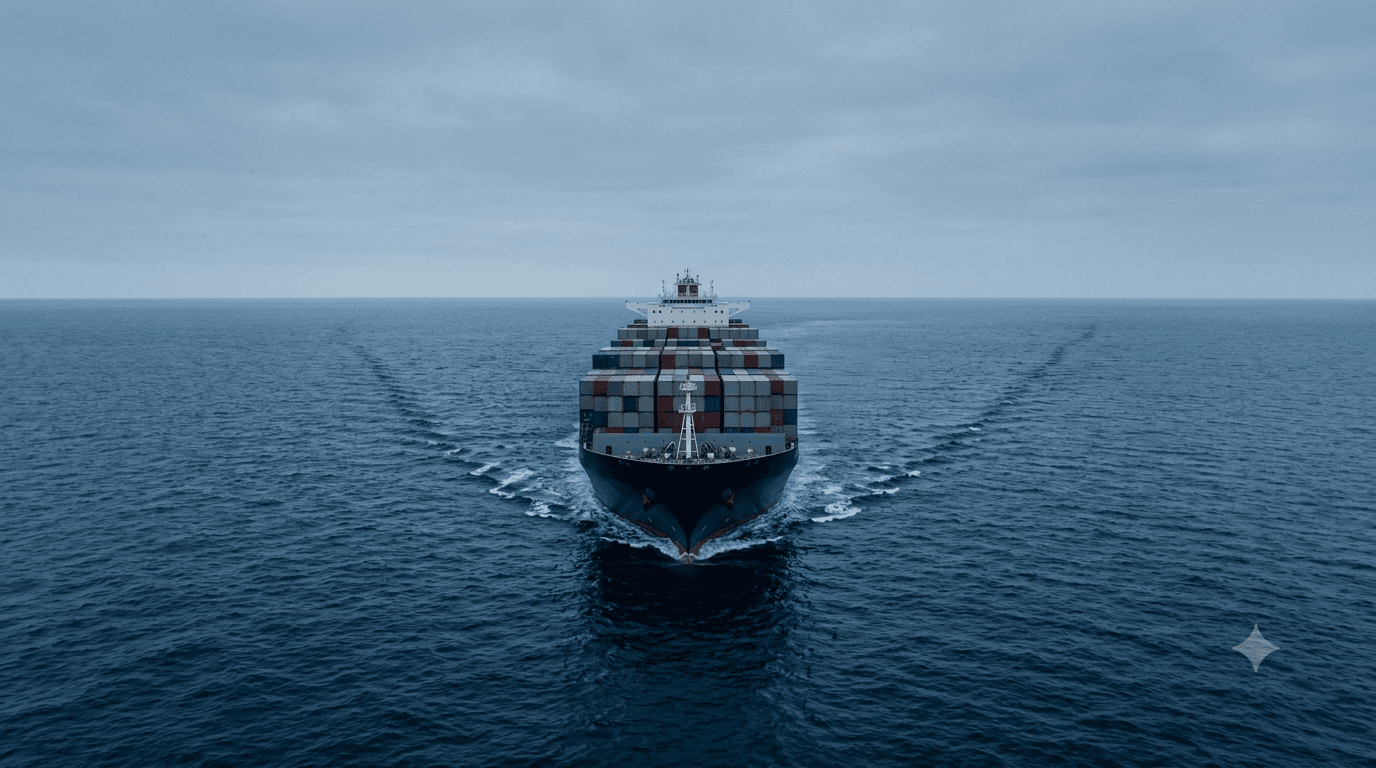
On 25 June, the Iranian Revolutionary Guard Corps (IRGC) struck the "Ever Lovely", a vessel routed through the US‑designated Omani corridor, and two days later targeted the "Kiku" tanker carrying 2 million barrels of Qatari crude. These attacks demonstrate that Iran continues to use commercial shipping as a geopolitical pressure tool, independent of diplomatic negotiations. The strikes were not limited to military targets; they directly affect the Gulf’s vital shipping lanes and the transit of petrochemical exports.
Strategic Significance of the Hormuz Corridor
The Hormuz shipping route is a lifeline for global energy supplies. By attacking vessels that transit this corridor, the IRGC sends a clear message: any ship carrying Iranian goods or traveling near Iranian waters risks interception, regardless of sanctions status. The attacks also serve to undermine confidence in the safety of the Gulf logistics chain, raising the cost of risk for every stakeholder.
Internal Contradiction: FM vs. IRGC
Iran’s Foreign Minister, Araghchi, has publicly stated that petrochemical export waivers remain in effect, citing recent Memoranda of Understanding (MoUs) with European partners. In sharp contrast, the IRGC’s operational actions reveal a different strategy, targeting ships that would otherwise facilitate Iranian exports. This conflicting messaging suggests a genuine institutional conflict within the Iranian state over how to implement the ceasefire and manage export controls.
Diplomatic Track vs. Military Strategy
- Diplomatic Track: The FM’s statements aim to reassure international buyers and maintain trade flows under waivers.
- Military Strategy: The IRGC’s attacks indicate a willingness to use force to pressure adversaries, regardless of diplomatic assurances.
- Result: The contradiction creates uncertainty, escalating risk for global chemical buyers who rely on stable supply routes.
Impact on Global Chemical Buyers
For companies sourcing Iranian-origin chemicals under the Bürgenstock petrochemical export waivers, the IRGC’s continued willingness to attack ships using the same transit routes renders the sanctions‑legal question moot in the short term. The physical transit risk is real, and the legal protections offered by waivers do not mitigate the operational hazards posed by the IRGC.
Key Risks for the Chemical Supply Chain
- Transit Delays: Potential seizures or detentions increase shipping times and logistics costs.
- Insurance Premiums: Higher perceived risk leads to elevated insurance costs for vessels and cargo.
- Supply Chain Disruption: Unpredictable routing can cause inventory shortages and production downtime.
- Regulatory Compliance: Companies must navigate complex sanctions regimes while ensuring compliance with trade laws.
Mitigation strategies include diversifying shipping routes, engaging with neutral flag carriers, and increasing inventory buffers. However, these measures only provide partial relief; the underlying geopolitical risk remains.
Conclusion
The IRGC’s attacks on the "Ever Lovely" and "Kiku" tankers underscore a broader trend of using maritime aggression as a tool of statecraft. The stark contrast between the FM’s assurances and the IRGC’s actions highlights a fragmented approach within Iran that directly impacts the chemical industry’s supply chain integrity. Global buyers must now navigate a landscape where legal waivers offer limited protection against the tangible threat posed by armed forces targeting commercial shipping. Adapting to this reality will require a combination of strategic sourcing, robust risk management, and close monitoring of Iran’s internal policy dynamics.