




Europe’s fertilizer market is witnessing a sharp rise in UAN fertilizer demand as new subsidy policies redirect growers from traditional NPK blends. This shift is reshaping procurement strategies and regional supply chains, with significant implications for agricultural chemicals. The article explores the drivers, impacts, and future outlook for UAN in the continent.

The EPA’s updated PFAS guidance reshapes how farmers use biosolids and fertilizers, influencing crop inputs and the broader food ingredient supply chain. Learn what it means for compliance, sourcing, and consumer safety.

A reported 520,000-tonne acrylonitrile data reversal in early July 2026 highlights how production statistics can change rapidly and influence market expectations. Procurement teams should understand why reliable market intelligence is just as important as pricing when making sourcing decisions.
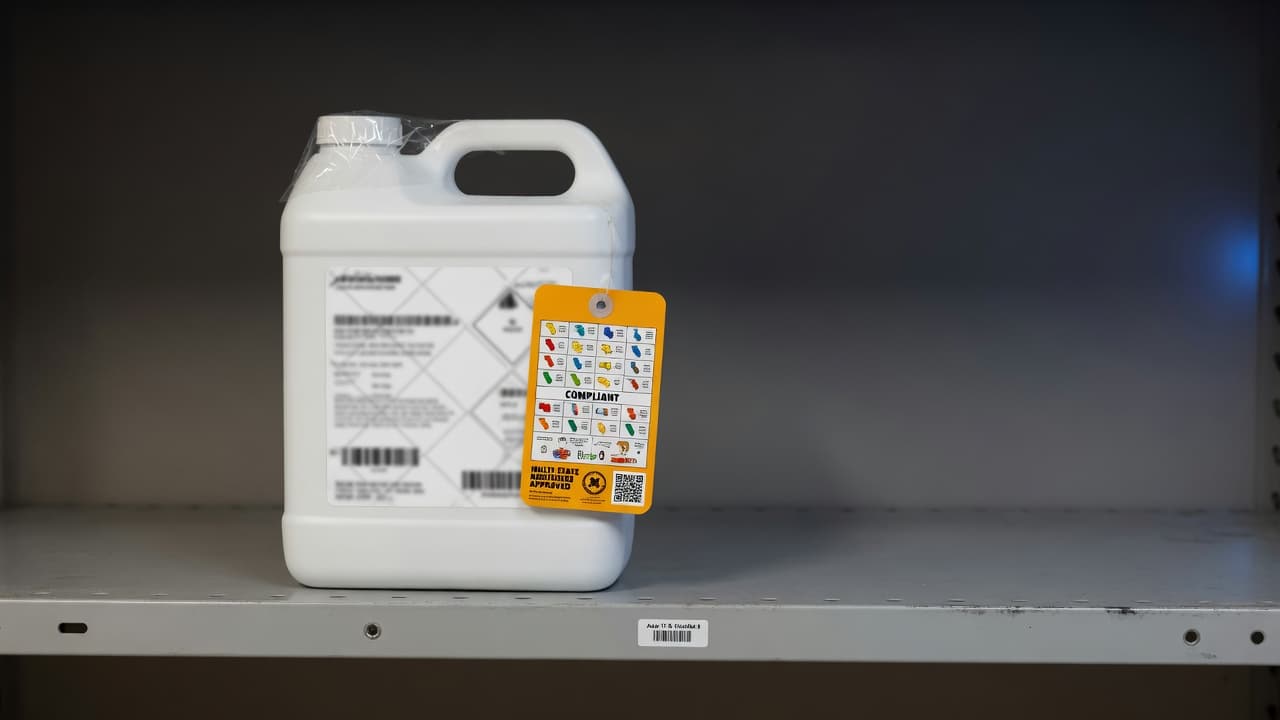
State PFAS regulations continue to evolve across the United States, creating new compliance challenges for manufacturers, distributors and procurement teams. This guide explains how differing state requirements affect companies selling PFAS-containing products across multiple markets.

Electronic chemicals and specialty gases are now seen as defense‑critical, as a July 2026 CRS report highlighted the risk of Hormuz disruptions to sulfur and rare‑gas supplies. Congress is moving to classify these materials, unlocking federal incentives and reserve mechanisms. Procurement managers must map their portfolios to align with the new security‑of‑supply framework.

Bangladesh is evaluating the restart of its state fertilizer plants as ammonia supplies improve. The outcome will be closely watched for its impact on fertilizer availability, rice production, and regional food security during the 2026 growing season.
Estamos comprometidos com sua privacidade. A Tradeasia usa as informações fornecidas para entrar em contato com você sobre conteúdos, produtos e serviços relevantes. Para mais informações, consulte nossa política de privacidade.