

MSG Market Update: China’s Output Dominant But Indian and Southeast Asian Demand Rising Fast
Introduction
Monosodium glutamate (MSG) is one of the most widely used flavor enhancers in the global food industry, valued for its ability to deliver umami taste and improve overall flavor intensity in processed foods, restaurant meals, snacks, and seasoning blends. Despite decades of debate around its safety perception in some markets, scientific consensus has largely reaffirmed MSG as safe for consumption, which has supported a steady recovery in global demand.
In 2026, the MSG market is characterized by strong Chinese production dominance, recovering foodservice demand, and rapidly rising consumption in India and Southeast Asia. While global supply remains sufficient, logistics costs and shifting application trends—particularly in processed foods and pet food—are reshaping procurement patterns.

China’s Dominant Production Position
China remains the backbone of global MSG supply, accounting for the majority of industrial production capacity.
Key producers include:
Fufeng Group
Meihua Holdings
Large-scale fermentation manufacturers across Shandong and Inner Mongolia
Why China dominates MSG production:
Large corn starch base for fermentation
Mature amino acid fermentation industry
Integrated supply chains (lysine, citric acid, MSG)
Economies of scale in microbial fermentation
Strong export infrastructure
Chinese producers continue to set global benchmark pricing due to their scale advantage and integrated feedstock ecosystem.
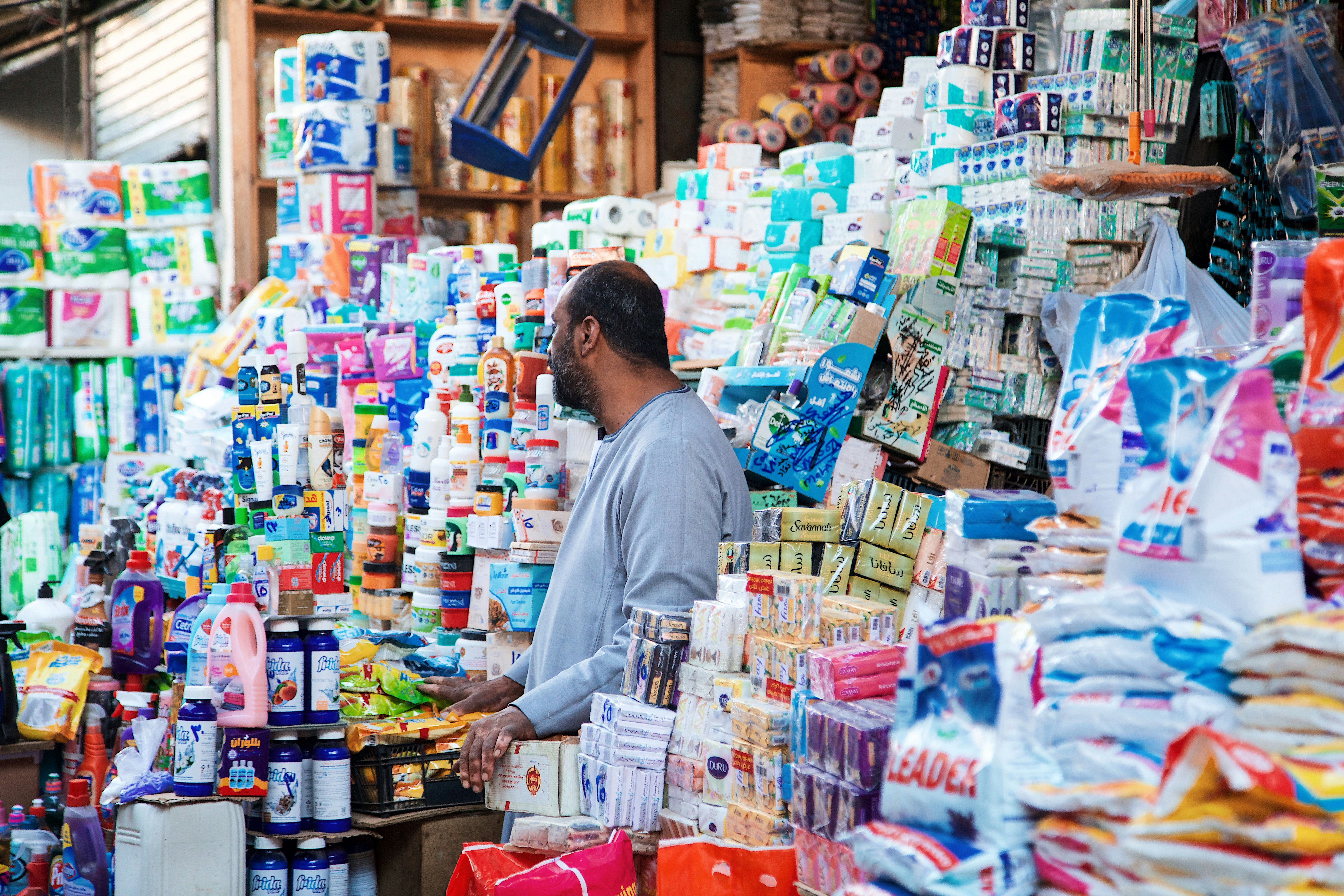
Southeast Asia: Established but Growing Market
Southeast Asia remains both a production and consumption hub for MSG.
Key producing countries:
Indonesia
Thailand
Vietnam
Malaysia
Market characteristics:
Strong culinary dependence on umami flavoring
High per-capita MSG consumption in processed foods
Significant presence of regional food manufacturers
Local production helps reduce dependency on imports, but regional trade flows remain active.
India: Fastest-Growing Demand Market Outside China
India is emerging as one of the most important growth markets for MSG consumption.
Key demand drivers:
Expansion of fast-food and quick-service restaurants (QSRs)
Growth in packaged snacks and instant noodles
Rising urbanization and processed food consumption
Increasing acceptance of flavor enhancers in food manufacturing
Key segments:
Street food and restaurant sector
Packaged snacks and seasoning mixes
Institutional catering and food service
Although India does not have the same production scale as China, its consumption growth rate is among the fastest globally.
Global Demand Recovery in 2026
After periods of consumer skepticism in some Western markets, MSG demand is recovering globally.
Key recovery drivers:
Increased scientific communication around MSG safety
Growth of Asian cuisine worldwide
Expansion of processed and convenience food markets
Recovery of foodservice and hospitality sectors post-disruption
The perception shift has been particularly important in maintaining steady demand growth.

Supply Situation: Adequate but Logistics-Driven Pricing
Unlike many agricultural or energy-linked chemicals, MSG supply remains structurally adequate.
Supply characteristics:
Large fermentation-based production capacity in China
Multiple regional producers in Asia
Stable corn starch feedstock availability
However, pricing for importers is increasingly influenced by logistics rather than production shortages.
Freight Cost Impact on South Asian Buyers
One of the most important market shifts in 2026 is the rise in freight costs affecting delivered MSG pricing.
Impact areas:
China → India trade routes
China → Pakistan, Bangladesh, Sri Lanka shipments
Southeast Asia intra-regional logistics
Consequences:
Higher landed costs despite stable factory prices
Increased focus on regional sourcing where possible
Shorter procurement contracts
More frequent price negotiations
This has particularly impacted food manufacturers in South Asia, where margins are highly price-sensitive.
Dual Use Expansion: MSG in Pet Food
One of the emerging trends in 2026 is the increasing use of MSG in pet food formulations.
Why MSG is used in pet food:
Enhances palatability (taste appeal for animals)
Improves feed acceptance
Supports formulation flexibility in protein-reduced diets
Growth drivers:
Expansion of premium pet food markets in Asia
Rising pet ownership globally
Increased focus on palatability enhancers in pet nutrition
Although still a smaller segment compared to human food, pet food is becoming a noticeable incremental demand driver.
Competitive Landscape
Major global producers:
Fufeng Group (China)
Meihua Holdings (China)
Ajinomoto (Japan and Southeast Asia operations)
Industry structure:
Highly consolidated production base
Strong reliance on fermentation technology
Integration with amino acid and starch industries
Ajinomoto remains a key global player with strong brand presence, particularly in Southeast Asia and Japan.
Application Breakdown
Food Service Sector
Restaurants
Street food vendors
Catering services
Processed Foods
Instant noodles
Snacks
Seasoning mixes
Household Use
Cooking seasoning
Table condiments
Pet Food (Emerging)
Palatability enhancement
Flavor masking in plant-based proteins
Market Outlook
The MSG market in 2026 is stable in supply but dynamic in demand geography. China continues to dominate global production, but consumption growth is shifting toward India and Southeast Asia, where processed food industries are expanding rapidly.
While supply remains sufficient, logistics costs are increasingly shaping regional price differences, particularly for South Asian importers. The combination of strong foodservice recovery and growing pet food applications is expected to support steady demand growth over the medium term.
Key Takeaways
China dominates global MSG production through large fermentation-based manufacturers.
Southeast Asia remains both a key producer and high-consumption region.
India is the fastest-growing demand market outside China.
Global demand is recovering due to improved safety perception and foodservice growth.
Supply is adequate, but freight costs are influencing delivered pricing.
South Asian buyers face higher landed costs despite stable factory prices.
MSG is increasingly used in pet food formulations as a flavor enhancer.
The market is structurally stable but geographically shifting in demand growth.