
Mono Propylene Glycol (E1520) CAS: 57-55-6
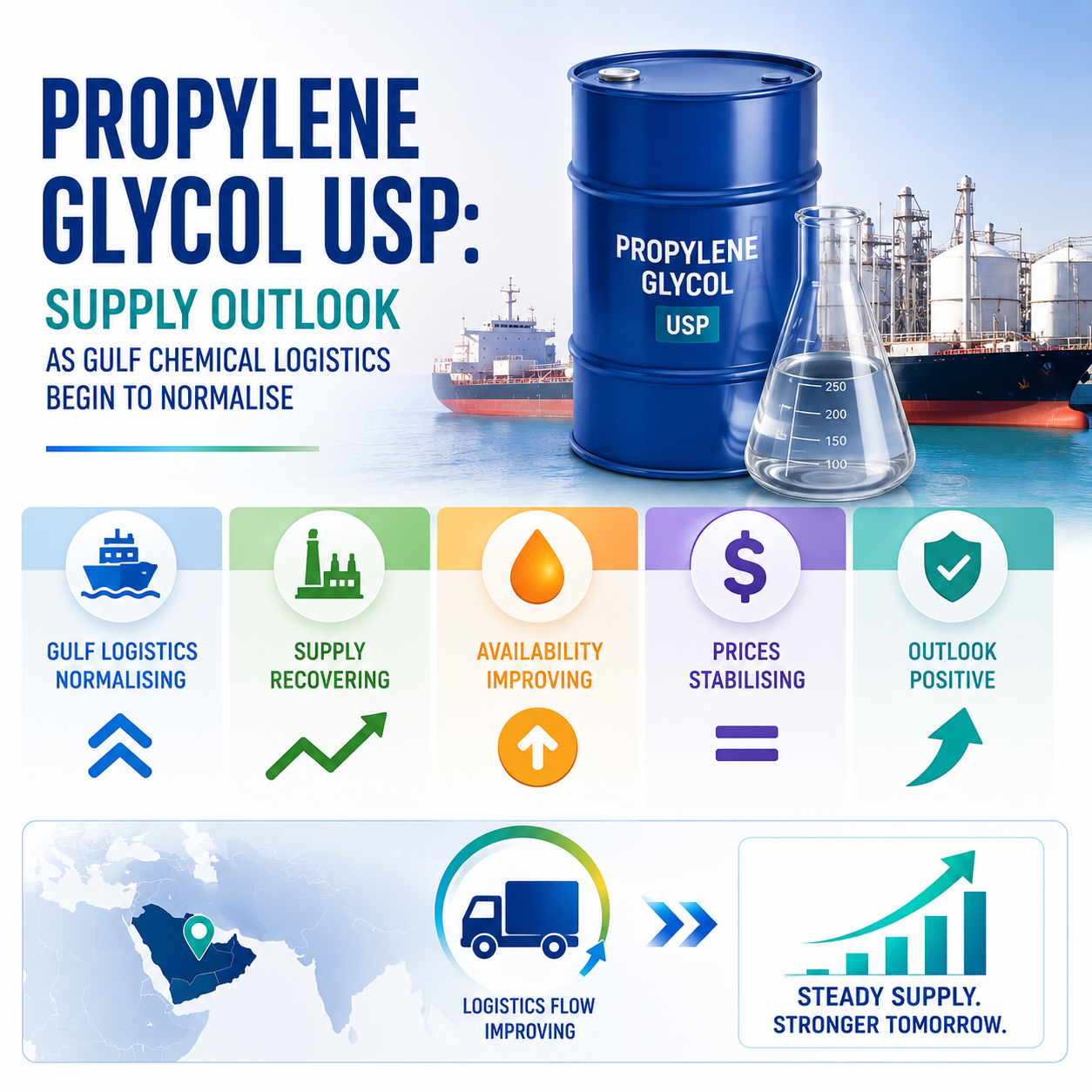
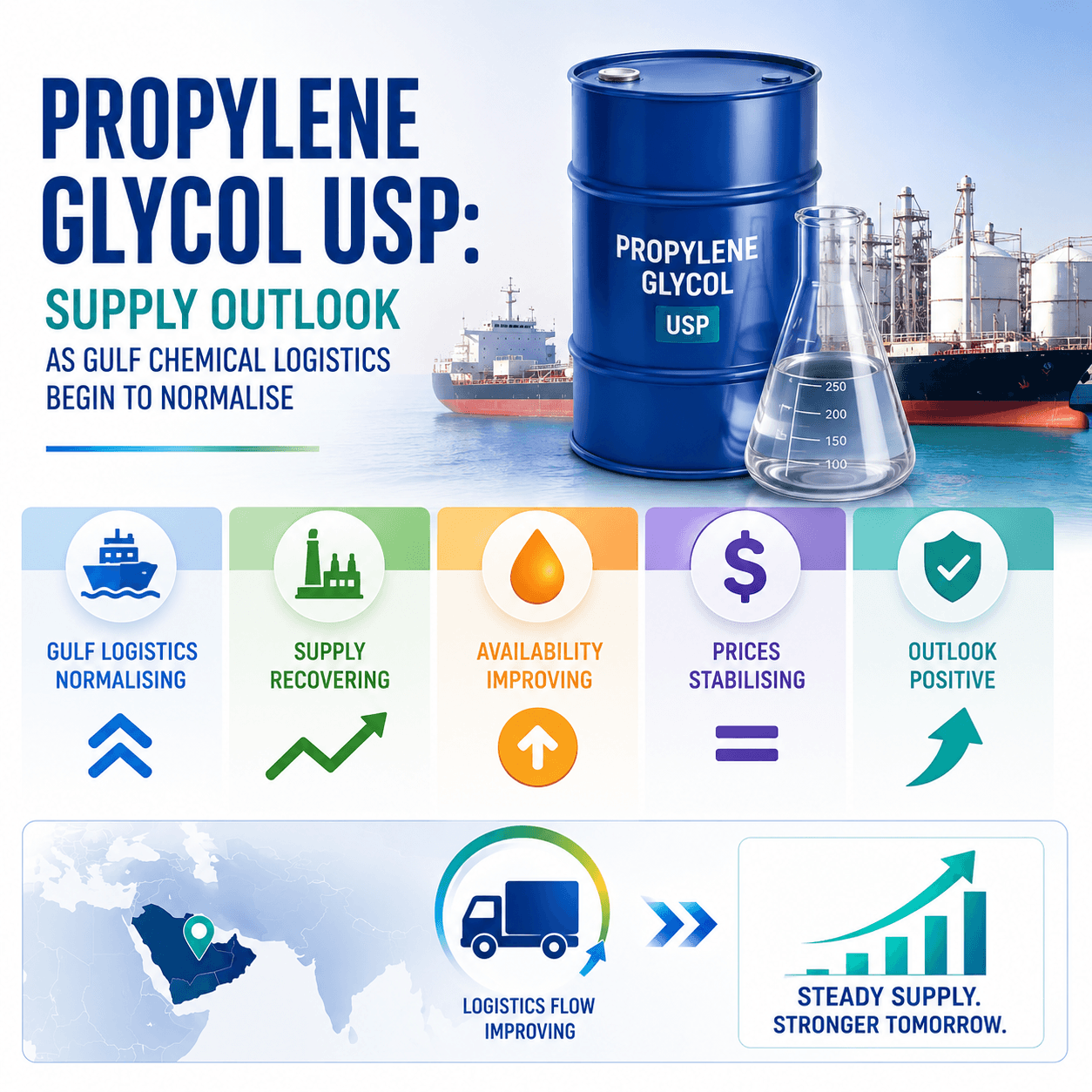
Mono Propylene Glycol (E1520) CAS: 57-55-6
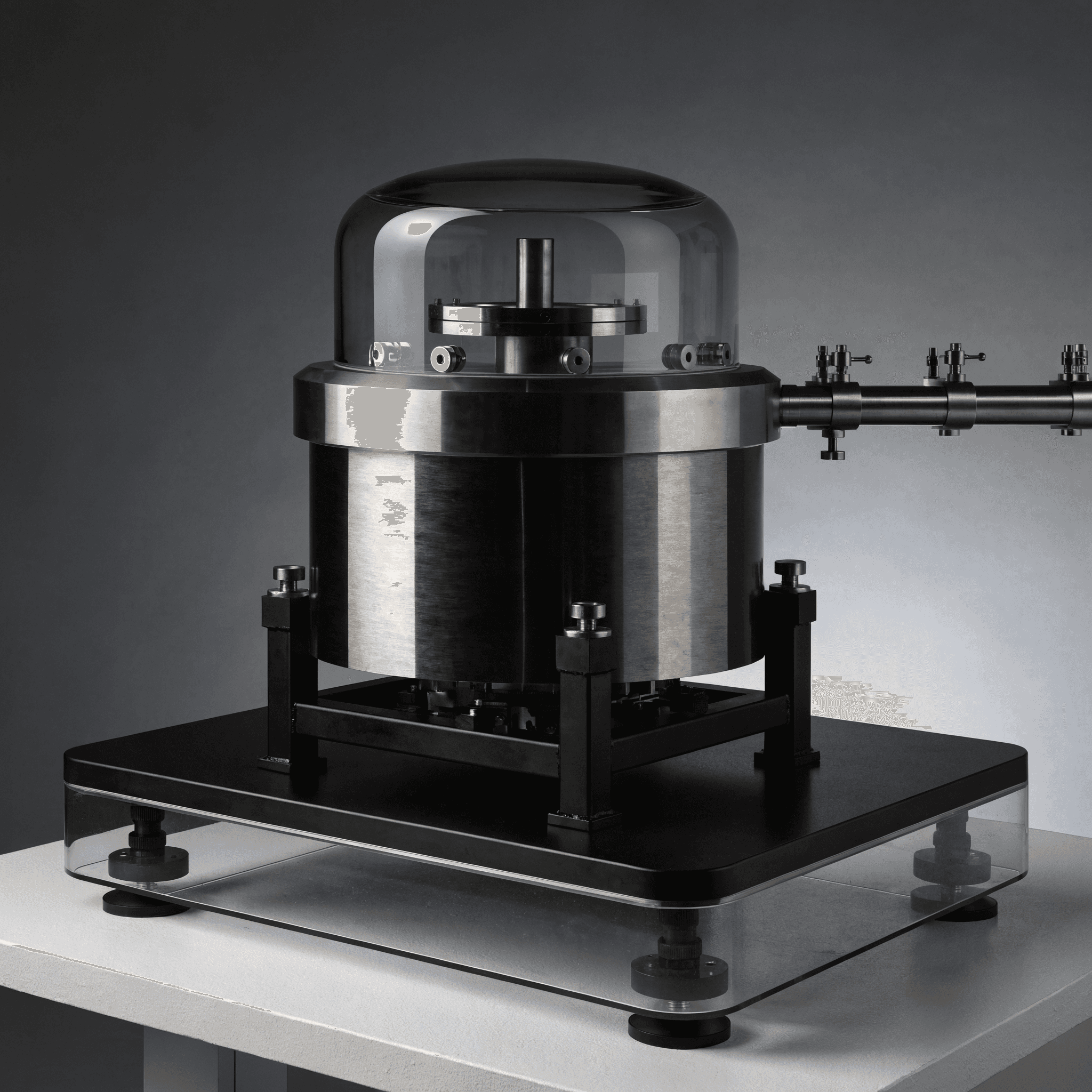
Helium supply constraints are creating new challenges for pharmaceutical laboratories that rely on NMR spectroscopy for quality control. Procurement teams should review helium inventories, supplier allocations and long term supply resilience before laboratory operations are affected.
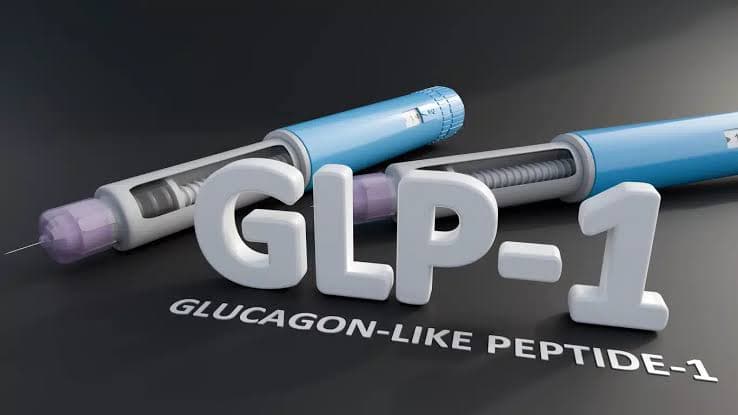
The global GLP-1 market is entering a new phase as generic drug opportunities accelerate. Indian CDMOs are expanding peptide manufacturing capacity, making July 2026 a critical period for securing key raw materials such as TFA, pharmaceutical-grade DMF, and Fmoc amino acids.
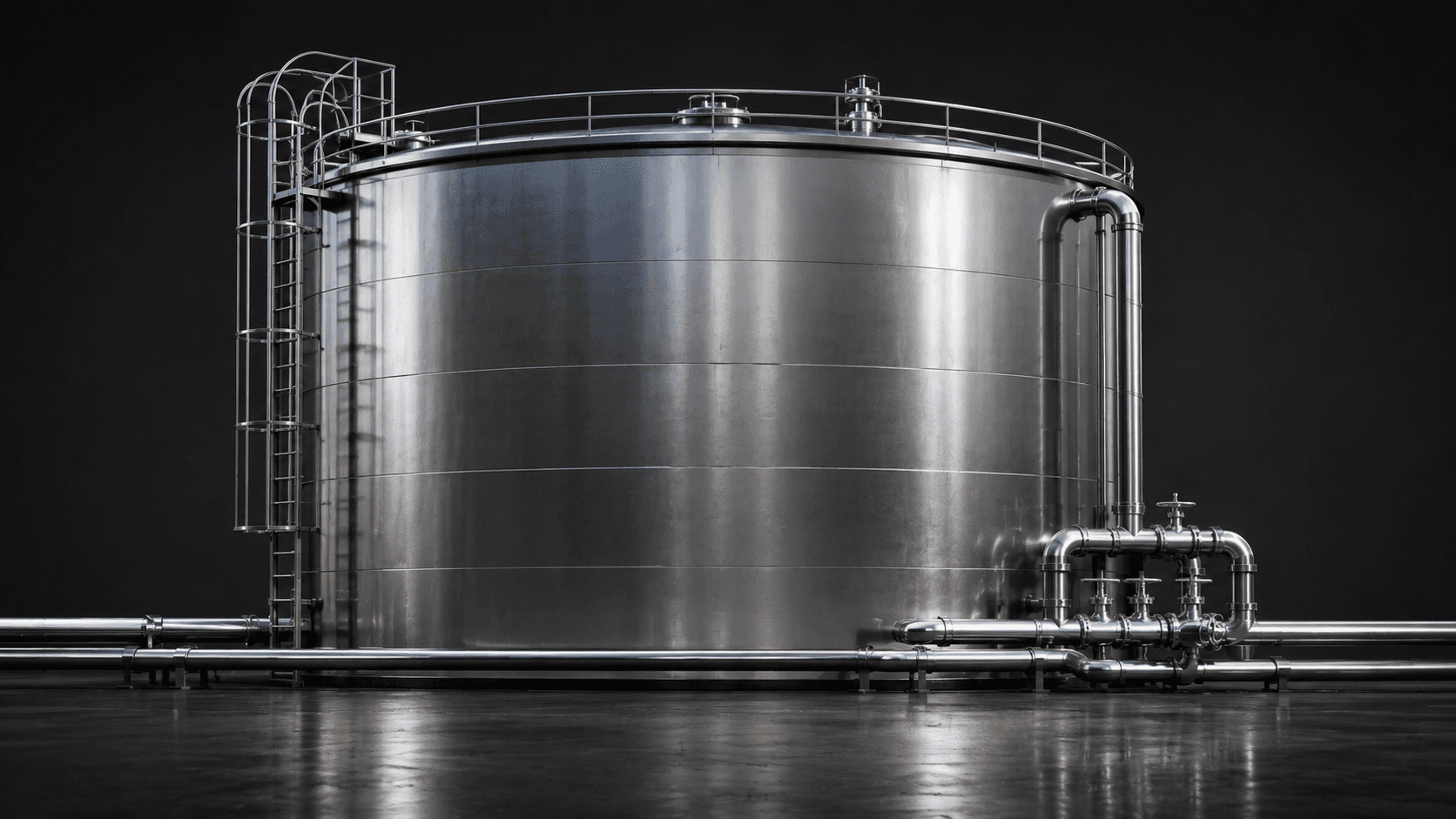
India's temporary customs duty exemption on Monoethylene Glycol expires at midnight, creating a major turning point for polyester manufacturers and chemical buyers. As Gulf supply improves and production costs ease, procurement teams must balance lower international prices against higher landed costs before finalizing Q3 purchasing strategies.
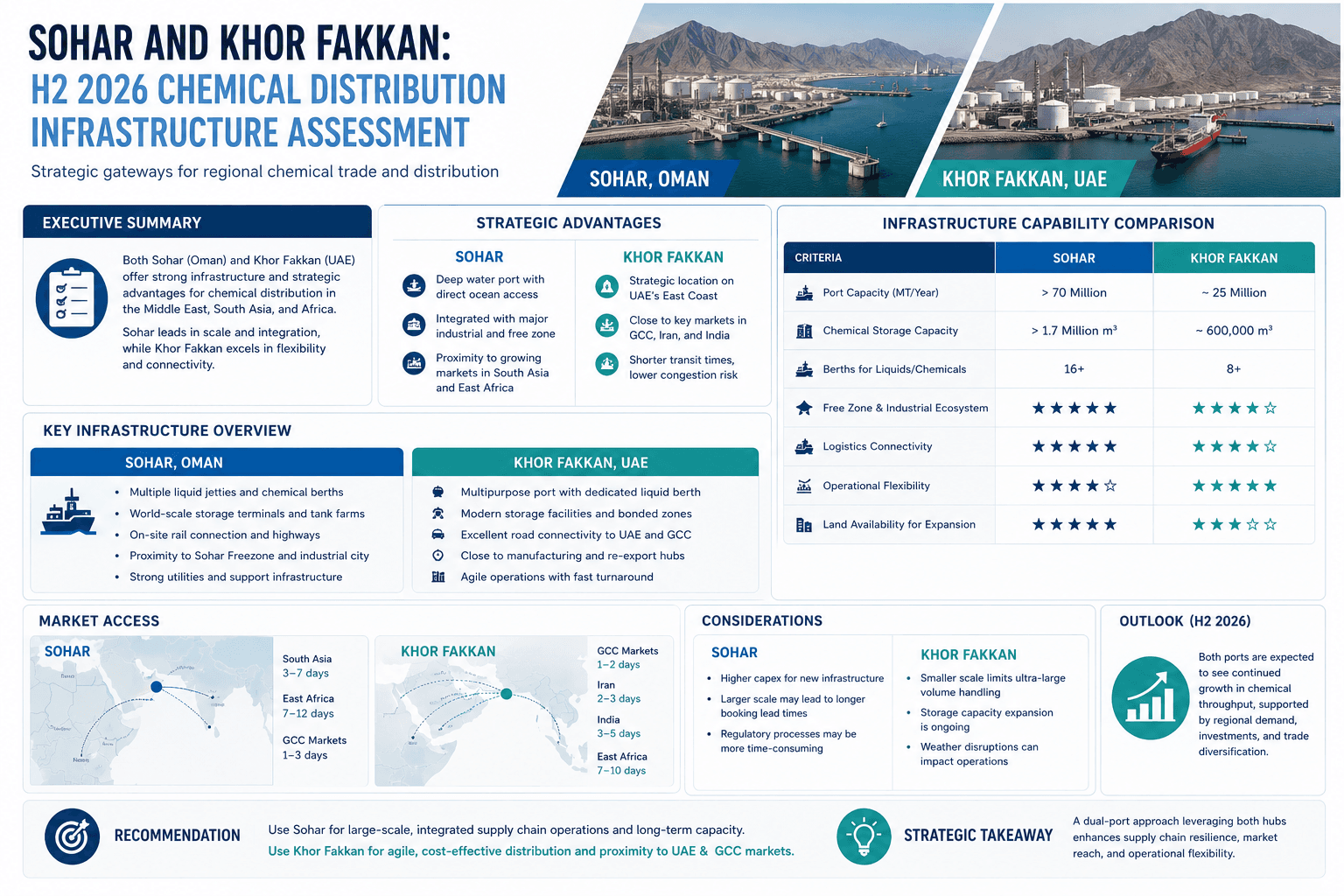
Sohar and Khor Fakkan have emerged as permanent Gulf chemical distribution hubs after the Hormuz crisis disrupted traditional routes. Chemical buyers should now verify exactly where supplier cargo loads, as port selection directly affects insurance costs, lead times, and shipment risk.

H1 2026 reshaped global chemical trade as the Hormuz crisis disrupted supply routes, cut seaborne volumes by up to 20%, boosted Chinese and US exports, and permanently altered logistics patterns. H2 will determine which of these structural shifts become the new normal.
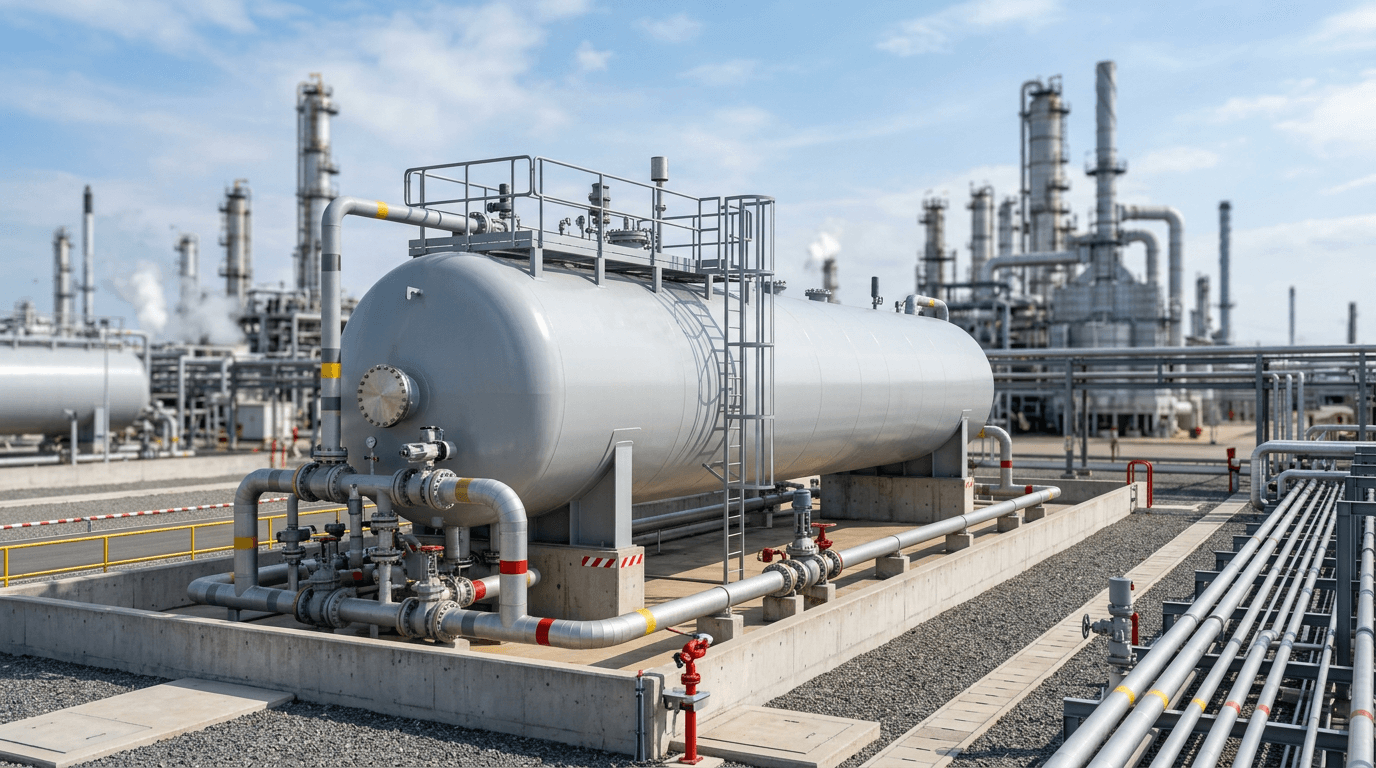
China’s expanding domestic petrochemical capacity helped replace Gulf PTA and paraxylene supply during recent disruptions. As Gulf exports begin returning, PTA buyers need to assess how new competition could affect pricing and sourcing strategies.
Estamos comprometidos com sua privacidade. A Tradeasia usa as informações fornecidas para entrar em contato com você sobre conteúdos, produtos e serviços relevantes. Para mais informações, consulte nossa política de privacidade.