
 Reuters reported Middle Eastern crude prices in Asia dropped to their lowest point inmonths as Asian refiners held off on spot purchases and China and India gorged on cheap Russian oil.
In accordance with traders, Saudi Arabia, the world's largest exporter, may lower rates for its term cargoes to Asia for a second consecutive month in July as a result of the price decline. On Wednesday, the benchmark Dubai crude premium dropped to a 4-month low of 70 cents per barrel over Dubai quotes, and Qatar set the price of al-Shaheen for the July term at a 27-month low after increasing supplies.
China and India, the world's No. 1 and No. 3 crude importers, respectively, are purchasing record amounts of Russian crude at the highest prices since the December embargo, in contrast to Europe and the United States where sour crude prices have weakened due to the boycott of Russia's oil and the strong demand for alternative supplies.
Some Asian refiners reduced output in April 2023 as a result of low refining profits, according to traders.
Russian crude arrivals in China in May are predicted by shiptracking data from Kpler to be approximately 44 million barrels, the second-highest level ever. According to Vortexa statistics, China's commercial crude inventory increased to 950 million barrels this week from less than 900 million barrels two months prior, indicating that its refiners are not in a rush to purchase additional oil.
In June and July, Taiwan's Formosa Petrochemical (6505.TW) intends to reduce the amount of oil processed at its 450,000 bpd Mailiao refinery.
Following the closure of a 129,000 bpd unit last week by another Japanese refiner, Eneos (5020.T), Cosmo Oil (5021.T) of Japan shut down a 102,000 bpd crude processing facility on Wednesday.
Since lighter grades produce products of greater quality, their prices are often higher than those of heavier grades.
Additionally, American crude is becoming more expensive than Middle Eastern oil for Asian consumers, thereby narrowing the opportunity for arbitrage for American oil supplies to Asia.
References:
Xu, Muyu. 2023. Reuters: Sour crude prices weaken in Asia despite OPEC+ cuts. Retrieved from https://www.reuters.com/markets/commodities/sour-crude-prices-weaken-asia-despite-opec-cuts-2023-05-19/
Image by atlascompany via https://www.freepik.com/
Reuters reported Middle Eastern crude prices in Asia dropped to their lowest point inmonths as Asian refiners held off on spot purchases and China and India gorged on cheap Russian oil.
In accordance with traders, Saudi Arabia, the world's largest exporter, may lower rates for its term cargoes to Asia for a second consecutive month in July as a result of the price decline. On Wednesday, the benchmark Dubai crude premium dropped to a 4-month low of 70 cents per barrel over Dubai quotes, and Qatar set the price of al-Shaheen for the July term at a 27-month low after increasing supplies.
China and India, the world's No. 1 and No. 3 crude importers, respectively, are purchasing record amounts of Russian crude at the highest prices since the December embargo, in contrast to Europe and the United States where sour crude prices have weakened due to the boycott of Russia's oil and the strong demand for alternative supplies.
Some Asian refiners reduced output in April 2023 as a result of low refining profits, according to traders.
Russian crude arrivals in China in May are predicted by shiptracking data from Kpler to be approximately 44 million barrels, the second-highest level ever. According to Vortexa statistics, China's commercial crude inventory increased to 950 million barrels this week from less than 900 million barrels two months prior, indicating that its refiners are not in a rush to purchase additional oil.
In June and July, Taiwan's Formosa Petrochemical (6505.TW) intends to reduce the amount of oil processed at its 450,000 bpd Mailiao refinery.
Following the closure of a 129,000 bpd unit last week by another Japanese refiner, Eneos (5020.T), Cosmo Oil (5021.T) of Japan shut down a 102,000 bpd crude processing facility on Wednesday.
Since lighter grades produce products of greater quality, their prices are often higher than those of heavier grades.
Additionally, American crude is becoming more expensive than Middle Eastern oil for Asian consumers, thereby narrowing the opportunity for arbitrage for American oil supplies to Asia.
References:
Xu, Muyu. 2023. Reuters: Sour crude prices weaken in Asia despite OPEC+ cuts. Retrieved from https://www.reuters.com/markets/commodities/sour-crude-prices-weaken-asia-despite-opec-cuts-2023-05-19/
Image by atlascompany via https://www.freepik.com/Regardless of Cuts from OPEC+, Sour Crude Prices Declined in Asia
 Reuters reported Middle Eastern crude prices in Asia dropped to their lowest point inmonths as Asian refiners held off on spot purchases and China and India gorged on cheap Russian oil.
In accordance with traders, Saudi Arabia, the world's largest exporter, may lower rates for its term cargoes to Asia for a second consecutive month in July as a result of the price decline. On Wednesday, the benchmark Dubai crude premium dropped to a 4-month low of 70 cents per barrel over Dubai quotes, and Qatar set the price of al-Shaheen for the July term at a 27-month low after increasing supplies.
China and India, the world's No. 1 and No. 3 crude importers, respectively, are purchasing record amounts of Russian crude at the highest prices since the December embargo, in contrast to Europe and the United States where sour crude prices have weakened due to the boycott of Russia's oil and the strong demand for alternative supplies.
Some Asian refiners reduced output in April 2023 as a result of low refining profits, according to traders.
Russian crude arrivals in China in May are predicted by shiptracking data from Kpler to be approximately 44 million barrels, the second-highest level ever. According to Vortexa statistics, China's commercial crude inventory increased to 950 million barrels this week from less than 900 million barrels two months prior, indicating that its refiners are not in a rush to purchase additional oil.
In June and July, Taiwan's Formosa Petrochemical (6505.TW) intends to reduce the amount of oil processed at its 450,000 bpd Mailiao refinery.
Following the closure of a 129,000 bpd unit last week by another Japanese refiner, Eneos (5020.T), Cosmo Oil (5021.T) of Japan shut down a 102,000 bpd crude processing facility on Wednesday.
Since lighter grades produce products of greater quality, their prices are often higher than those of heavier grades.
Additionally, American crude is becoming more expensive than Middle Eastern oil for Asian consumers, thereby narrowing the opportunity for arbitrage for American oil supplies to Asia.
References:
Xu, Muyu. 2023. Reuters: Sour crude prices weaken in Asia despite OPEC+ cuts. Retrieved from https://www.reuters.com/markets/commodities/sour-crude-prices-weaken-asia-despite-opec-cuts-2023-05-19/
Image by atlascompany via https://www.freepik.com/
Reuters reported Middle Eastern crude prices in Asia dropped to their lowest point inmonths as Asian refiners held off on spot purchases and China and India gorged on cheap Russian oil.
In accordance with traders, Saudi Arabia, the world's largest exporter, may lower rates for its term cargoes to Asia for a second consecutive month in July as a result of the price decline. On Wednesday, the benchmark Dubai crude premium dropped to a 4-month low of 70 cents per barrel over Dubai quotes, and Qatar set the price of al-Shaheen for the July term at a 27-month low after increasing supplies.
China and India, the world's No. 1 and No. 3 crude importers, respectively, are purchasing record amounts of Russian crude at the highest prices since the December embargo, in contrast to Europe and the United States where sour crude prices have weakened due to the boycott of Russia's oil and the strong demand for alternative supplies.
Some Asian refiners reduced output in April 2023 as a result of low refining profits, according to traders.
Russian crude arrivals in China in May are predicted by shiptracking data from Kpler to be approximately 44 million barrels, the second-highest level ever. According to Vortexa statistics, China's commercial crude inventory increased to 950 million barrels this week from less than 900 million barrels two months prior, indicating that its refiners are not in a rush to purchase additional oil.
In June and July, Taiwan's Formosa Petrochemical (6505.TW) intends to reduce the amount of oil processed at its 450,000 bpd Mailiao refinery.
Following the closure of a 129,000 bpd unit last week by another Japanese refiner, Eneos (5020.T), Cosmo Oil (5021.T) of Japan shut down a 102,000 bpd crude processing facility on Wednesday.
Since lighter grades produce products of greater quality, their prices are often higher than those of heavier grades.
Additionally, American crude is becoming more expensive than Middle Eastern oil for Asian consumers, thereby narrowing the opportunity for arbitrage for American oil supplies to Asia.
References:
Xu, Muyu. 2023. Reuters: Sour crude prices weaken in Asia despite OPEC+ cuts. Retrieved from https://www.reuters.com/markets/commodities/sour-crude-prices-weaken-asia-despite-opec-cuts-2023-05-19/
Image by atlascompany via https://www.freepik.com/Insights relacionados
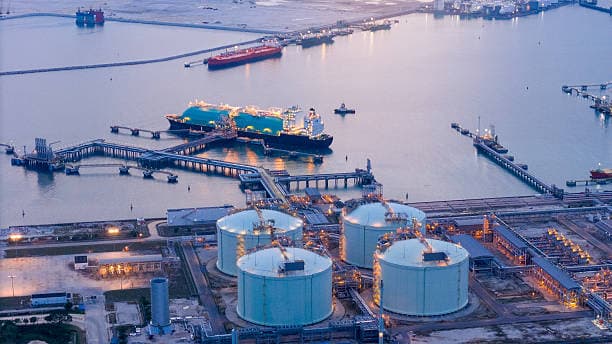
DAP Prices Signal Tight Phosphate Trade
The recent persistence of DAP price strength underscores a tightening phosphate supply chain, heightened global fertilizer demand, and growing procurement risks for agriculture stakeholders. As phosphate trade remains constrained, buyers must reassess sourcing strategies amid volatile market conditions.
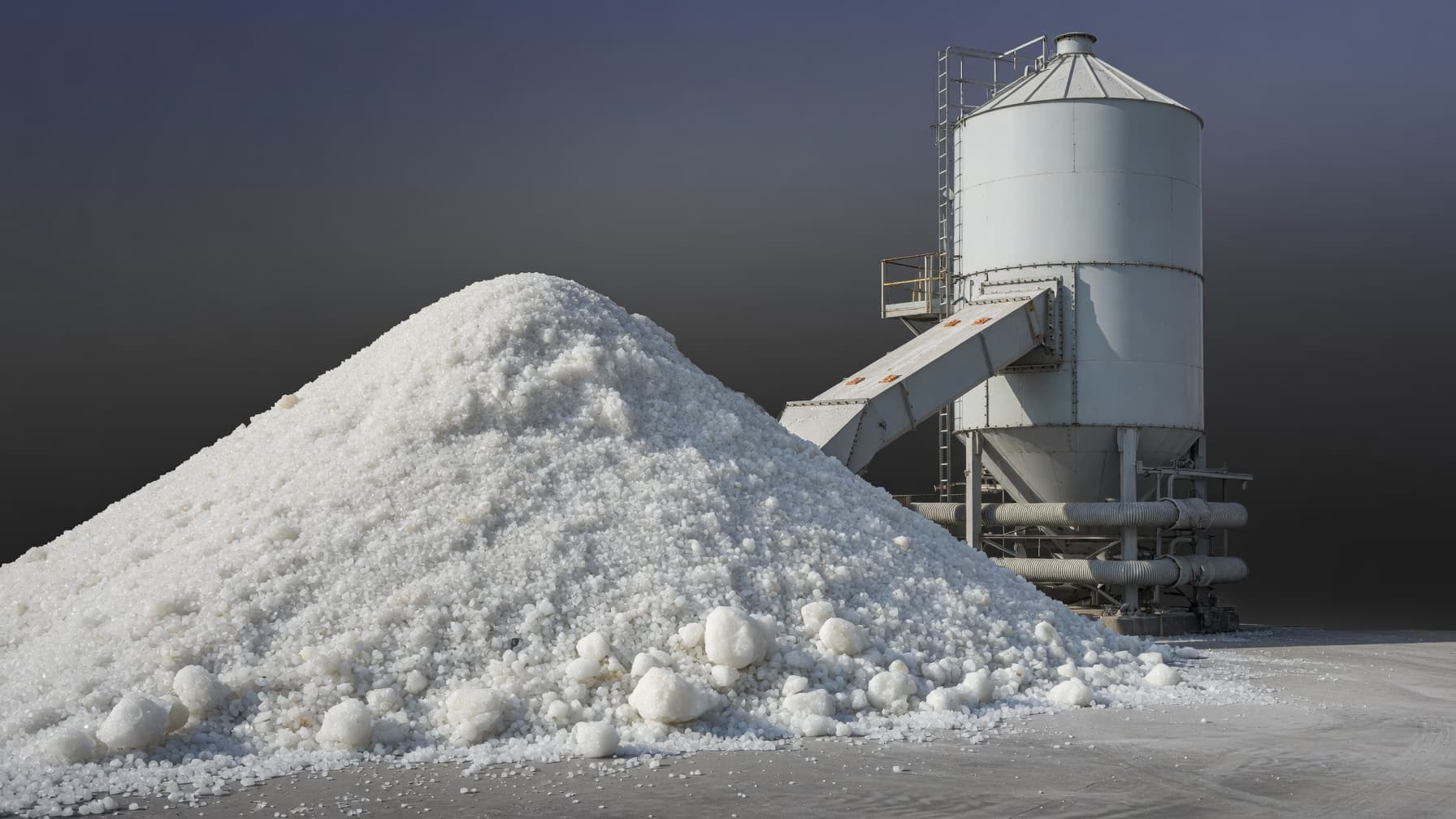
Solvay and Searles Valley Cut Soda Ash Capacity: What a Two-Continent Production Retreat Means for Buyers
Capacity reductions by Solvay in Europe and Searles Valley Minerals in California highlight structural changes in the global soda ash market. Procurement teams should understand how supply rationalization could influence pricing, investment and long-term sourcing strategies.
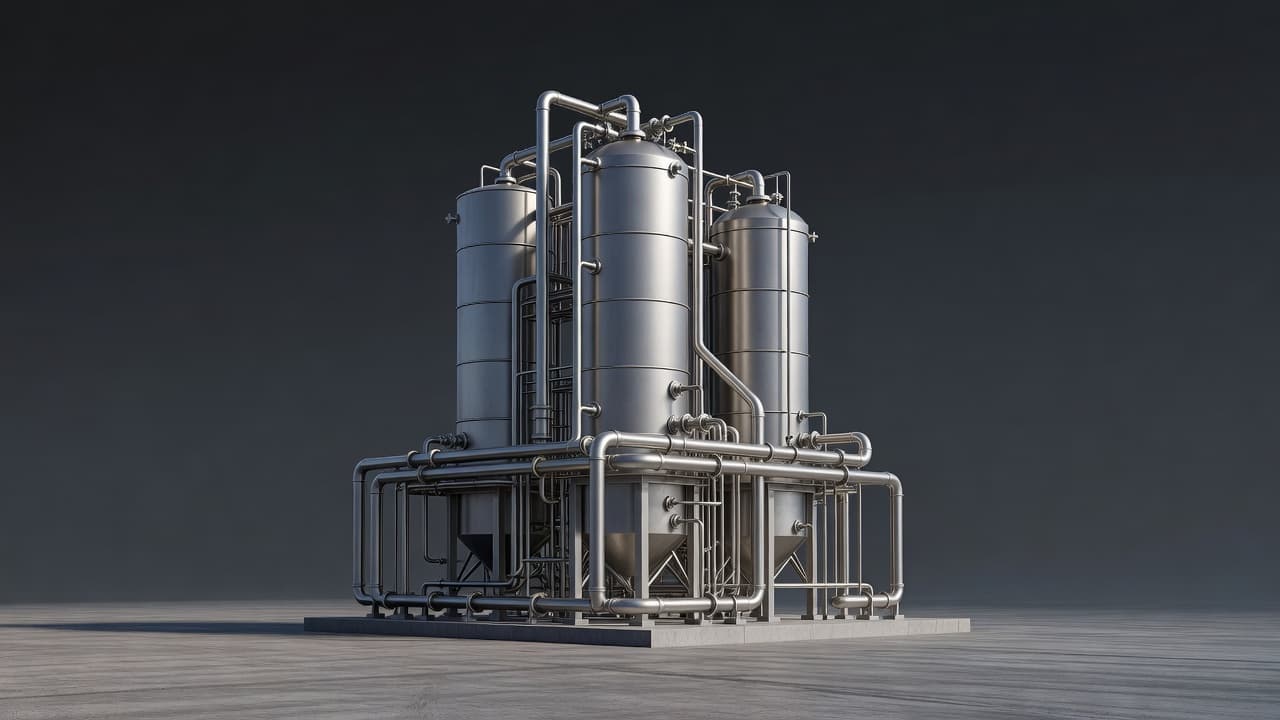
Xinjiang's New Polypropylene Capacity: How China's Latest Expansion Strengthens Petrochemical Self-Sufficiency
Construction has begun on a 450,000-tonne polypropylene plant at the Xinjiang Shaneng Wucaiwan project, reinforcing China's long-term capacity expansion strategy. Procurement teams should evaluate how additional domestic production could reshape regional polymer supply and international trade flows.

Polypropylene: PDH Economics at the Intersection of LPG Recovery and Crude Correction
Polypropylene markets entered July with changing supply economics as LPG availability improves and crude prices reshape propylene production costs. Procurement teams should understand how these shifts may influence PP pricing, supplier strategies and purchasing decisions over the coming months.

Chemical Price Reversal 2026: Why Fertilizer Prices Fell Before Hormuz Reopened
In early 2026 the global chemical market saw a dramatic price spike during the Hormuz crisis, only to reverse course by April even before shipping lanes fully reopened. This article dissects the panic‑driven surge, the factors that triggered the drop, and the procurement intelligence lessons that can help buyers mitigate volatility.
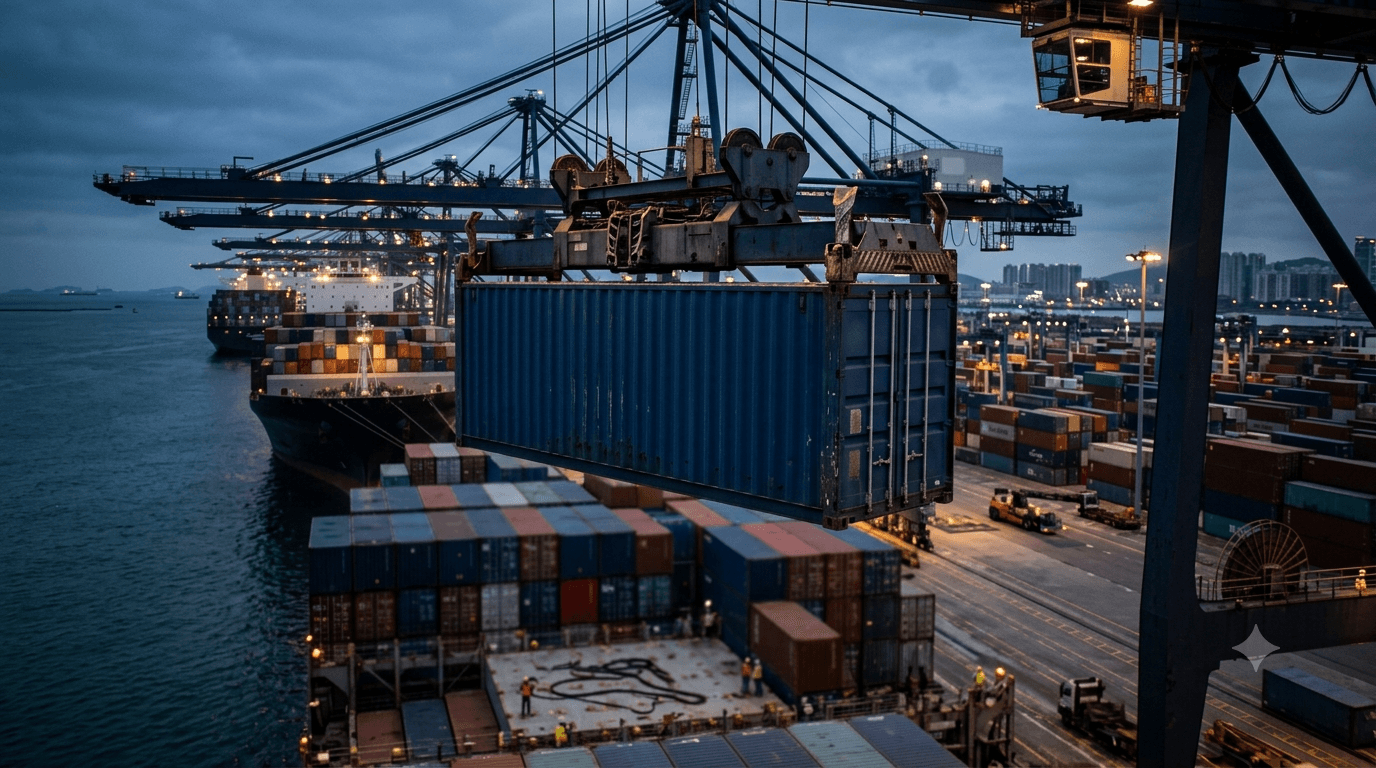
Food Ingredient Freight Costs: Brent Below $80 Signals First Bunker Cost Relief Since February
Falling crude oil prices are creating the first meaningful opportunity for lower food ingredient freight costs since February 2026. Buyers sourcing from China, Southeast Asia and India should begin freight-linked pricing discussions now before carriers adjust bunker surcharge
Não perca nossas atualizações! Assine nossa newsletter agora
Estamos comprometidos com sua privacidade. A Tradeasia usa as informações fornecidas para entrar em contato com você sobre conteúdos, produtos e serviços relevantes. Para mais informações, consulte nossa política de privacidade.