
RoHS 2025/2456 Applies Today: What Electronics Chemical Buyers Must Do This Morning
Introduction
Today marks a critical milestone for the electronics industry as RoHS 2025/2456 officially comes into effect. The updated regulation introduces new compliance expectations that directly impact manufacturers, importers, distributors, and procurement teams sourcing chemicals and materials used in electronic and electrical equipment.
For electronics chemical buyers, this is not a day to delay action. Procurement decisions made today can determine whether future shipments remain compliant, avoid customs delays, and protect businesses from regulatory penalties. Companies that proactively verify supplier compliance and update their procurement processes will be better positioned to maintain uninterrupted production and customer confidence.
What Is RoHS 2025/2456?
RoHS (Restriction of Hazardous Substances) is designed to reduce the use of hazardous materials in electrical and electronic equipment, helping protect both human health and the environment. The latest update, RoHS 2025/2456, reinforces compliance requirements for materials entering the electronics supply chain and places greater responsibility on manufacturers and buyers to verify that restricted substances remain within permitted limits.
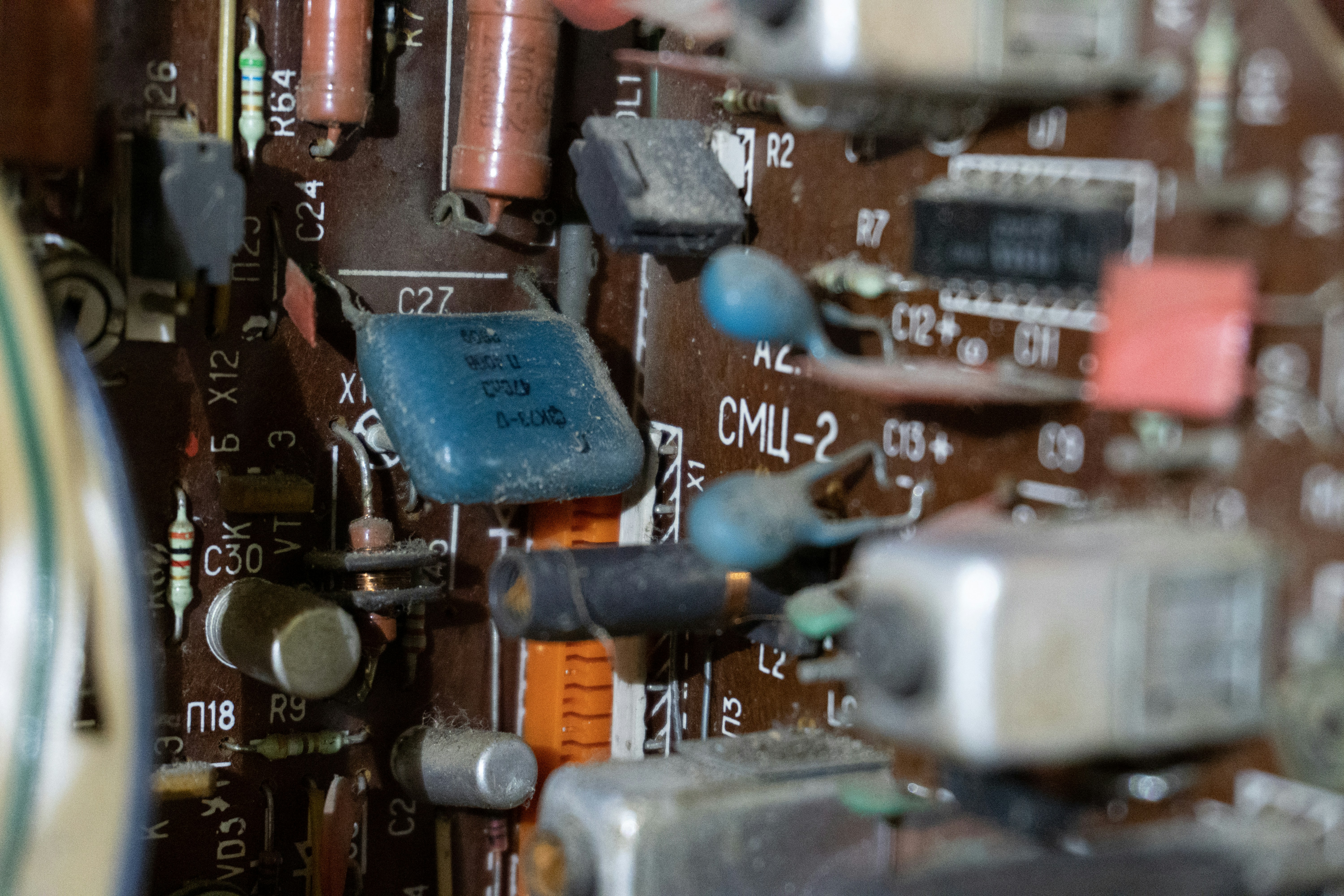
The regulation applies to a wide range of products, including printed circuit boards (PCBs), semiconductors, connectors, cables, electronic components, coatings, adhesives, solders, plastics, and specialty chemicals used during manufacturing.
Why Electronics Chemical Buyers Must Act Immediately
Procurement teams are often the first line of defense against compliance risks. Purchasing non-compliant chemicals or components can lead to production delays, product recalls, rejected shipments, financial penalties, and reputational damage.
Today's priorities should include:
Confirm that all suppliers meet the updated RoHS requirements.
Review current purchase orders for potentially affected materials.
Verify compliance documentation before approving new shipments.
Communicate regulatory updates with internal quality and engineering teams.
Suspend procurement of materials with incomplete or outdated compliance records.
Taking these steps immediately reduces the likelihood of costly disruptions later in the supply chain.
Chemicals and Materials That Require Immediate Review
Certain materials commonly used in electronics manufacturing require closer attention under the updated regulation.
These include:
Solder Materials
Lead-free solder alloys should be verified to ensure they continue meeting RoHS requirements and applicable exemption conditions.
Surface Treatment Chemicals
Plating chemicals, cleaning agents, and surface finishes must be evaluated for restricted substance content and supplier certification.
Adhesives and Sealants
Specialty adhesives, encapsulants, and sealants used in electronics assembly should be reviewed for regulatory compliance and updated technical documentation.
Coatings and Inks
Protective coatings, conformal coatings, conductive inks, and printing materials should be checked against current RoHS substance restrictions.
Plastic Components
Electronic housings, cable insulation, connectors, and molded plastic parts should be supported by supplier declarations confirming compliance.
Supplier Verification Should Be the First Priority
Supplier compliance documentation should not be treated as a one-time requirement. Buyers should request updated information whenever regulations change.
Key documents to review include:
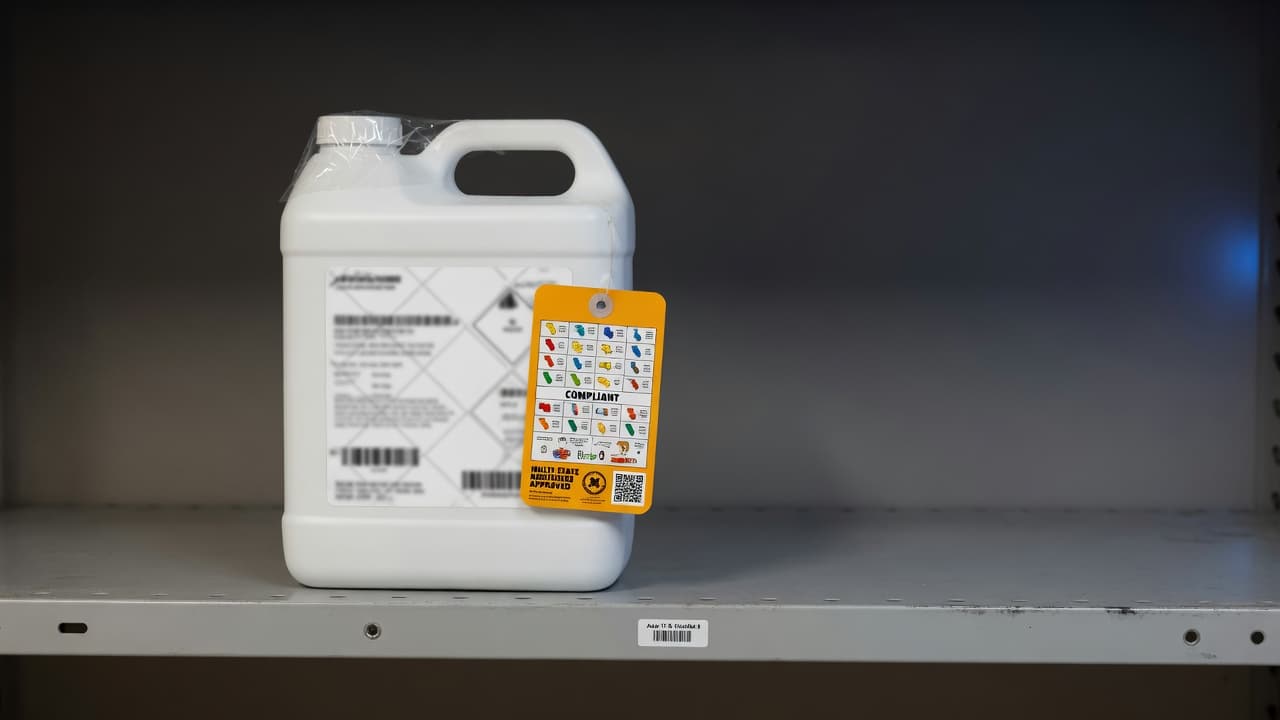
RoHS Compliance Declarations
Material Composition Statements
Test Reports from accredited laboratories
Safety Data Sheets (SDS)
Certificates of Conformity
Technical Data Sheets
Maintaining complete documentation improves audit readiness and reduces regulatory risk.
Strengthen Internal Procurement Controls
Compliance depends on more than supplier declarations. Organizations should integrate regulatory verification into their purchasing workflows.
Best practices include:
Creating an approved supplier list based on verified compliance.
Implementing mandatory compliance checks before purchase approval.
Training procurement teams on updated RoHS requirements.
Maintaining digital records for every regulated material.
Conducting regular supplier compliance audits.
These controls help ensure long-term compliance across the supply chain.
Common Compliance Mistakes to Avoid
Many organizations encounter avoidable compliance issues due to gaps in procurement processes.
Common mistakes include:
Relying on outdated supplier certificates.
Assuming previously approved materials remain compliant.
Failing to request updated documentation after regulatory changes.
Purchasing from unverified suppliers based solely on price.
Neglecting periodic supplier audits.
Avoiding these mistakes can significantly reduce compliance risks.
Preparing for Future Regulatory Updates
Environmental regulations continue to evolve, making continuous compliance monitoring essential. Procurement teams should establish systems for tracking regulatory changes, reviewing supplier performance, and updating internal policies as new requirements emerge.
Investing in digital compliance management tools, supplier risk assessments, and regular documentation reviews will help organizations remain prepared for future amendments while strengthening supply chain resilience.
Conclusion
With RoHS 2025/2456 taking effect today, electronics chemical buyers should treat compliance verification as an immediate operational priority. Reviewing suppliers, validating documentation, and strengthening procurement controls will help organizations minimize risk, maintain regulatory compliance, and ensure uninterrupted production.
Companies that respond quickly and build compliance into their sourcing strategies will not only avoid costly disruptions but also gain greater confidence in an increasingly regulated global electronics supply chain.
Aluminium Chlorohydrate CAS: 12042-91-0