
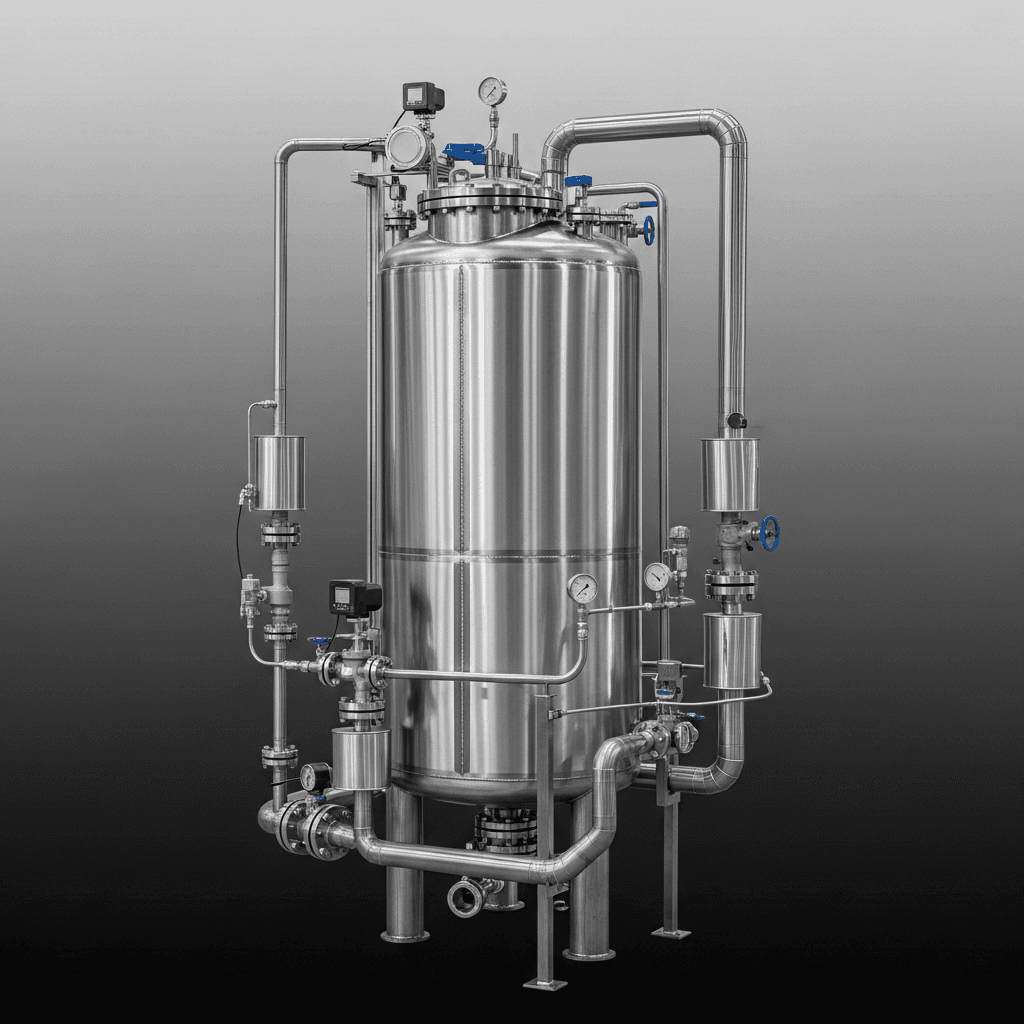
European soda ash producers are facing one of the most challenging operating environments in recent years, with capacity utilization falling sharply across the salt-based chemical sector. The soda ash market outlook for 2026 remains uncertain as high energy costs, weak industrial demand and regional cost differences continue to reshape global trade flows.
ICIS data indicates that Europe’s salt-based chemical industry has operated around 65% rates since 2022, compared with the typical range of approximately 80%. The pressure increased further during the Hormuz energy crisis when European gas prices moved toward €60/MWh, creating additional cost challenges for energy-intensive producers.
For soda ash buyers, the key issue is no longer only availability. Regional production economics are becoming a major factor in procurement decisions.
European Soda Ash Production Faces Structural Cost Pressure
Soda ash, also known as sodium carbonate, is a core industrial chemical used in glass manufacturing, detergents, chemicals and other industrial applications. Traditional European production relies heavily on synthetic processes that require significant energy inputs.
Energy costs directly affect producer competitiveness because natural gas and electricity represent major components of manufacturing expenses.
European producers are dealing with:
Lower operating rates caused by challenging market conditions.
Higher production costs compared with lower-cost natural soda ash producers.
Pressure from weaker industrial demand.
Increased competition from international suppliers.
The combination of these factors has created a difficult environment for European synthetic soda ash producers.
Energy Prices Remain a Key Driver for Soda Ash Competitiveness
The soda ash industry has been closely linked to European energy market conditions. Higher gas prices increased production costs and reduced the competitiveness of some regional manufacturers.
Although energy markets have started stabilizing after the Hormuz-related disruption, the impact on industrial production decisions remains significant.
Energy costs influence:
Factory operating rates.
Export competitiveness.
Regional pricing structures.
Long-term investment decisions.
For buyers, understanding energy exposure helps explain why soda ash prices can differ significantly between origins.
Turkey Gains Advantage Through Natural Soda Ash Production
Turkish soda ash producers have strengthened their position in global markets because natural soda ash production generally offers cost advantages compared with synthetic European processes.
Natural soda ash deposits allow producers to avoid some of the energy-intensive steps associated with synthetic manufacturing.
This advantage has supported stronger competitiveness in international markets.
Global buyers are increasingly comparing:
European synthetic soda ash, affected by higher operating costs.
Turkish natural soda ash, supported by resource-based production advantages.
Chinese supply options, influenced by domestic production conditions and export availability.
The difference between these supply sources is becoming an important procurement factor.
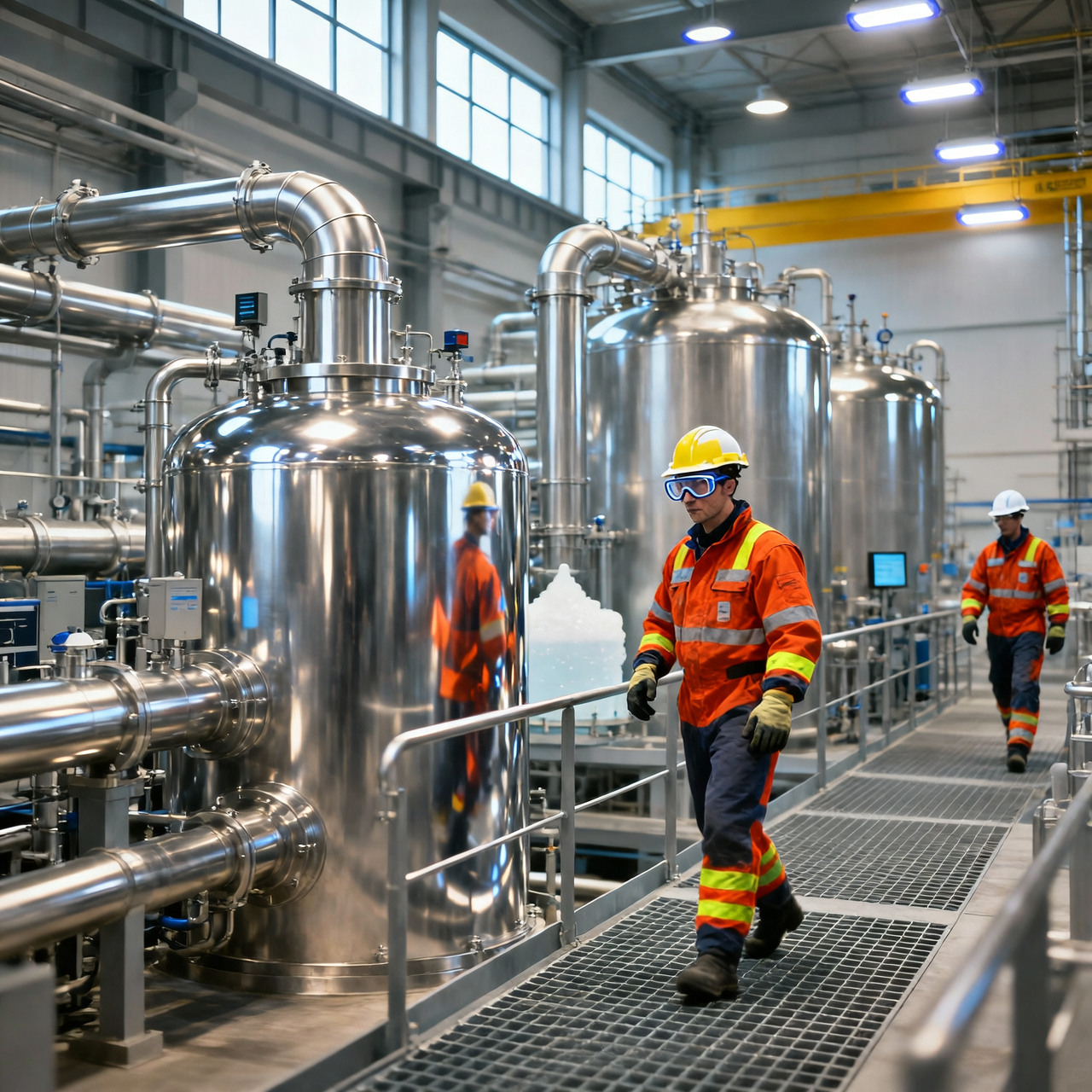
Global Soda Ash Demand Across Major Industries
Soda ash remains a critical input for several industrial sectors. Demand patterns are closely connected to manufacturing activity, construction trends and consumer markets.
Major applications include:
Glass manufacturing: Soda ash is essential for producing flat glass, container glass and other glass products.
Detergent production: It supports cleaning product formulations.
Chemical manufacturing: Used as a raw material in various chemical processes.
Water treatment: Applied in industrial water management applications.
Pulp and paper industries: Used in selected processing operations.
Recovery in these industries will influence whether soda ash demand strengthens through the remainder of 2026.
Supply Chain Shifts in the Soda Ash Market
The global soda ash market is becoming increasingly shaped by regional cost differences. Buyers are reviewing supplier portfolios to reduce exposure to high-cost production regions.
Key sourcing considerations include:
Origin competitiveness.
Freight costs and delivery reliability.
Product specifications.
Supplier production stability.
Contract flexibility.
Importers that previously relied heavily on European supply may explore alternative origins to improve cost efficiency.
European Synthetic Soda Ash vs Global Supply Options
The current market shows a clear difference between production models. European synthetic soda ash producers face structural challenges because of energy dependence, while natural soda ash producers benefit from resource advantages.
This creates a more competitive environment for buyers.
Procurement teams should evaluate:
Total delivered cost rather than only product price.
Long-term supplier reliability.
Exposure to energy-driven price changes.
Regional market risks.
A broader sourcing approach can help buyers manage volatility.
Challenges Facing Soda Ash Buyers in 2026
Soda ash procurement teams are navigating several uncertainties as the market adjusts.
Key challenges include:
Unclear recovery timing for European production rates.
Possible fluctuations in natural gas prices.
Changing freight conditions.
Different regional demand recovery speeds.
Increased competition between global supply origins.
Companies purchasing large volumes need continuous market monitoring to avoid supply disruptions and unexpected cost increases.
Sustainability and Production Technology Trends
Environmental considerations are influencing the future direction of soda ash production. Producers are exploring efficiency improvements and methods to reduce the environmental impact of manufacturing.
For buyers, sustainability factors are becoming increasingly relevant alongside pricing and supply reliability.
Important areas include:
Energy efficiency improvements.
Lower-emission production methods.
Responsible sourcing practices.
Long-term regulatory expectations.
These factors may influence future supplier selection decisions.
Looking Ahead to 2027: Soda Ash Supply Strategy
The soda ash market is likely to remain divided between higher-cost regional production and competitive global suppliers. Europe’s recovery path remains uncertain, while Turkish and Chinese producers continue to influence international pricing dynamics.
For global buyers, the most effective strategy will involve maintaining flexible sourcing options and evaluating suppliers based on total value, reliability and market conditions.
The rest of 2026 will be important for understanding whether European producers can recover operating rates or whether global trade flows continue shifting toward lower-cost origins.
Ready to source Soda Ash Dense - India from verified global suppliers? Explore competitive offers on our platform today.
Soda Ash Dense - India CAS: 497-19-8