
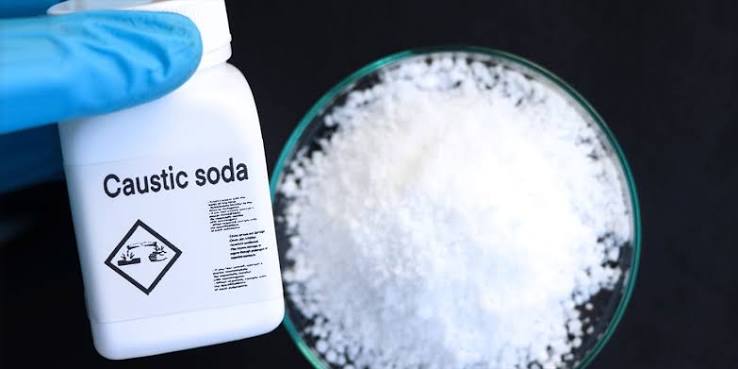
Caustic Soda Flakes CAS: 1310-73-2
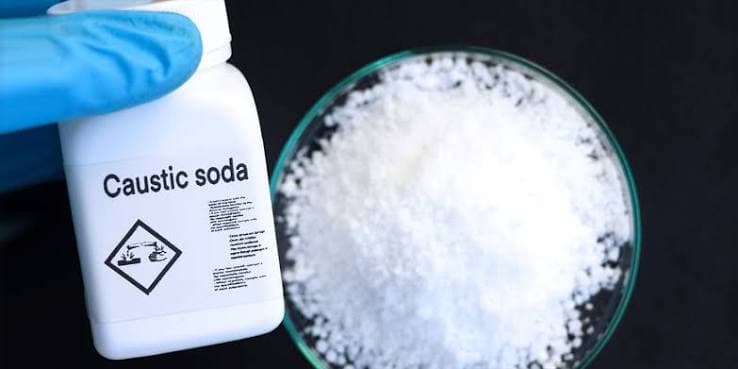
Caustic Soda Flakes CAS: 1310-73-2
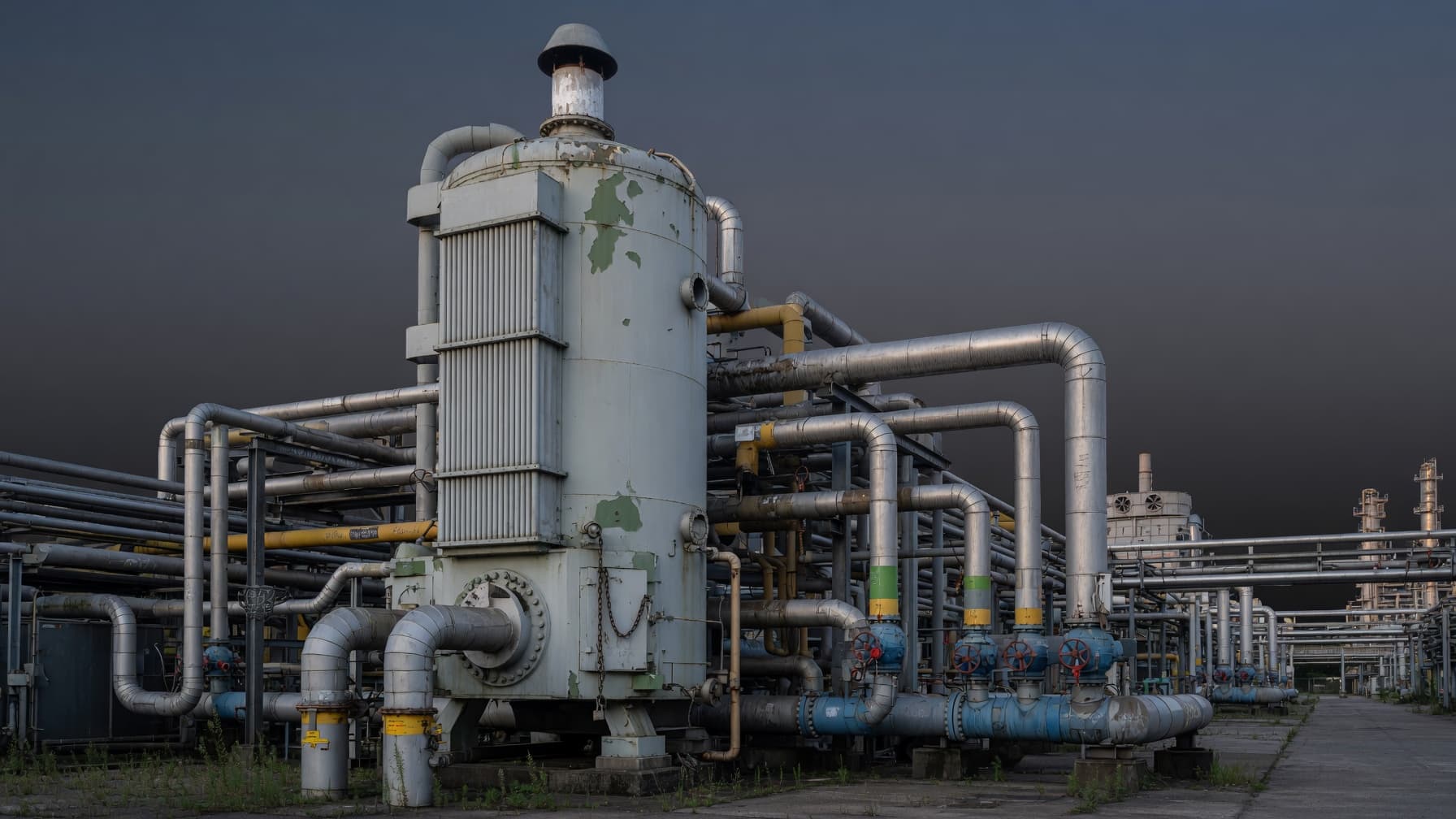
Europe's petrochemical industry continues to experience cracker closures as producers respond to high energy costs and growing competition from China. Procurement teams should understand how ongoing capacity reductions may reshape regional supply, pricing and long-term sourcing strategies.
Germany's seasonally adjusted chemical and pharmaceutical production declined 2.8% in the first quarter of 2026 and nearly 6% compared with the previous year. Procurement teams should assess how weaker European output may influence sourcing strategies, inventories and regional supply.

Pakistan enters July 2026 with improving chemical import conditions supported by lower crude prices, recovering Gulf logistics and easing freight costs. However, foreign exchange constraints and trade finance remain the defining commercial risks for international suppliers.
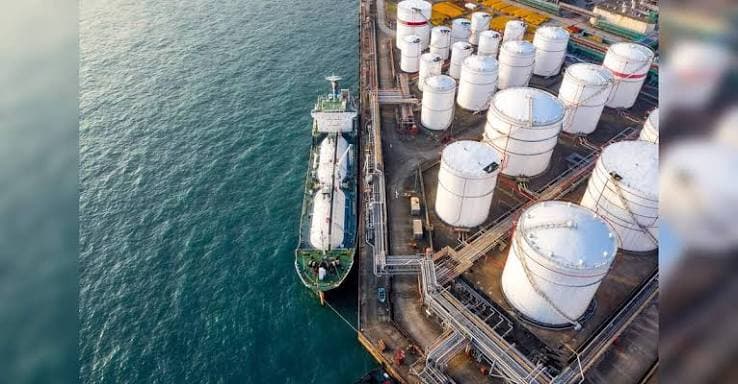
Japan's chemical industry enters H2 2026 after overcoming its most severe naphtha supply disruption in decades. The country's rapid diversification of feedstock sourcing may prove to be the most important long-term outcome of the Hormuz crisis, reshaping procurement strategies well beyond the recovery period.

The July start of India’s new economic reality sees customs duty exemptions on petrochemical inputs expire, raising import costs across multiple sectors. Plastics, textiles, pharma, and auto industries must now recalibrate pricing and margins. This article explores the immediate impacts and strategic responses.
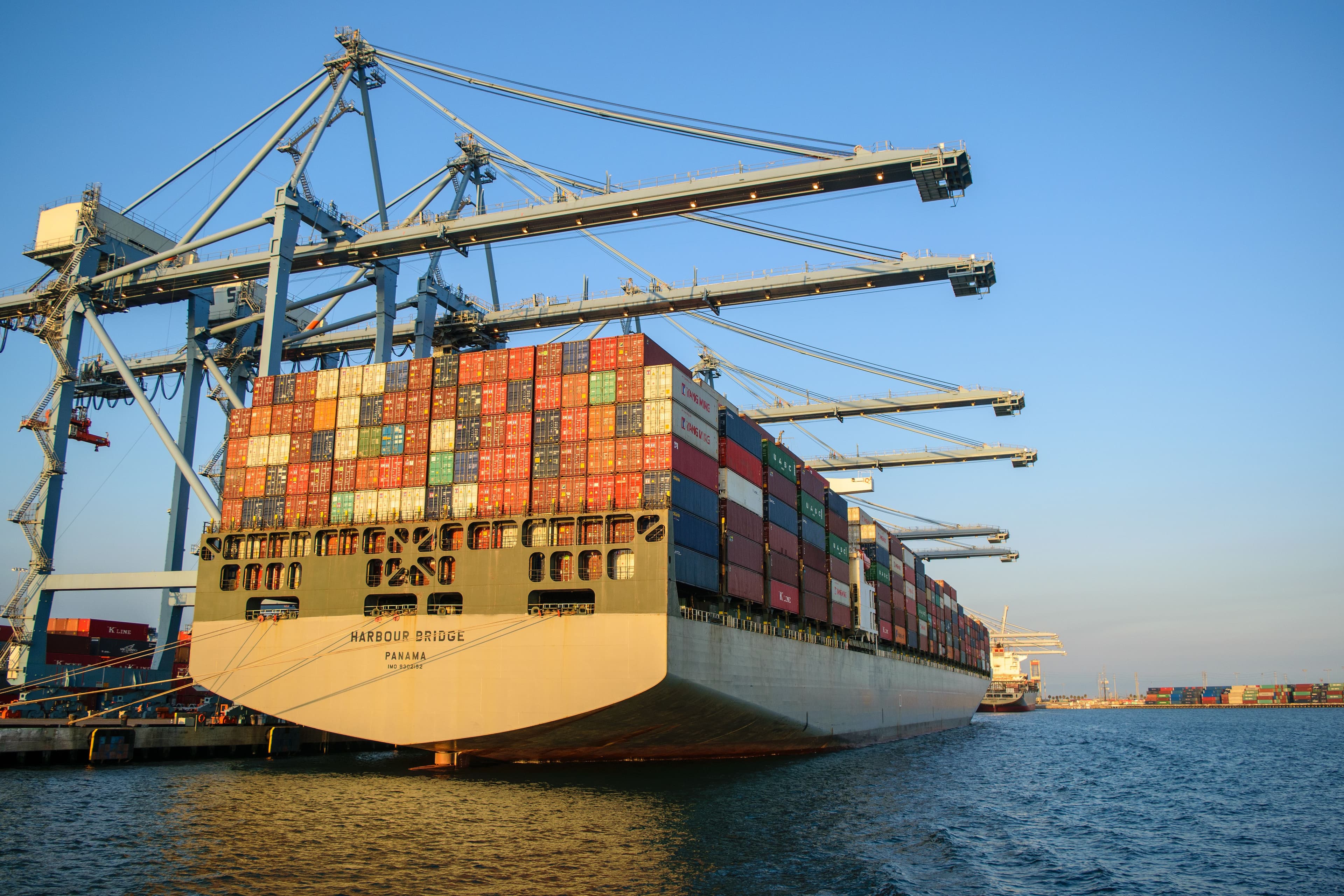
Acetic acid importers in India face a key cost change as the zero-duty waiver period ends. Buyers must review customs clearance timing and prepare for a potential increase in landed costs from July 1.
Estamos comprometidos com sua privacidade. A Tradeasia usa as informações fornecidas para entrar em contato com você sobre conteúdos, produtos e serviços relevantes. Para mais informações, consulte nossa política de privacidade.