
Insights relacionados

EPA Endangerment Finding Reconsideration: What the Greenhouse Gas Policy Reversal Means for Chemical Manufacturers
The EPA Endangerment Finding reconsideration could reshape the legal foundation of greenhouse gas regulation in the United States. Chemical manufacturers, procurement teams and industrial buyers should understand how this policy shift may influence compliance strategies, investment decisions and future operating costs.

The EU Green Deal's Chemical Strategy for Sustainability: What Has Been Retained and What Has Changed
The EU's Chemicals Strategy for Sustainability remains an important foundation for chemical regulation, but implementation has evolved alongside newer competitiveness initiatives. Here's what procurement professionals should understand for compliance planning in the second half of 2026.

TSCA Reform in 2026: What the House Discussion Draft Proposed and Where It Stands
A House discussion draft released in early 2026 has renewed debate over the future of the Toxic Substances Control Act. This article explains what the proposal includes, how different stakeholders view it and where the legislative process stands today.
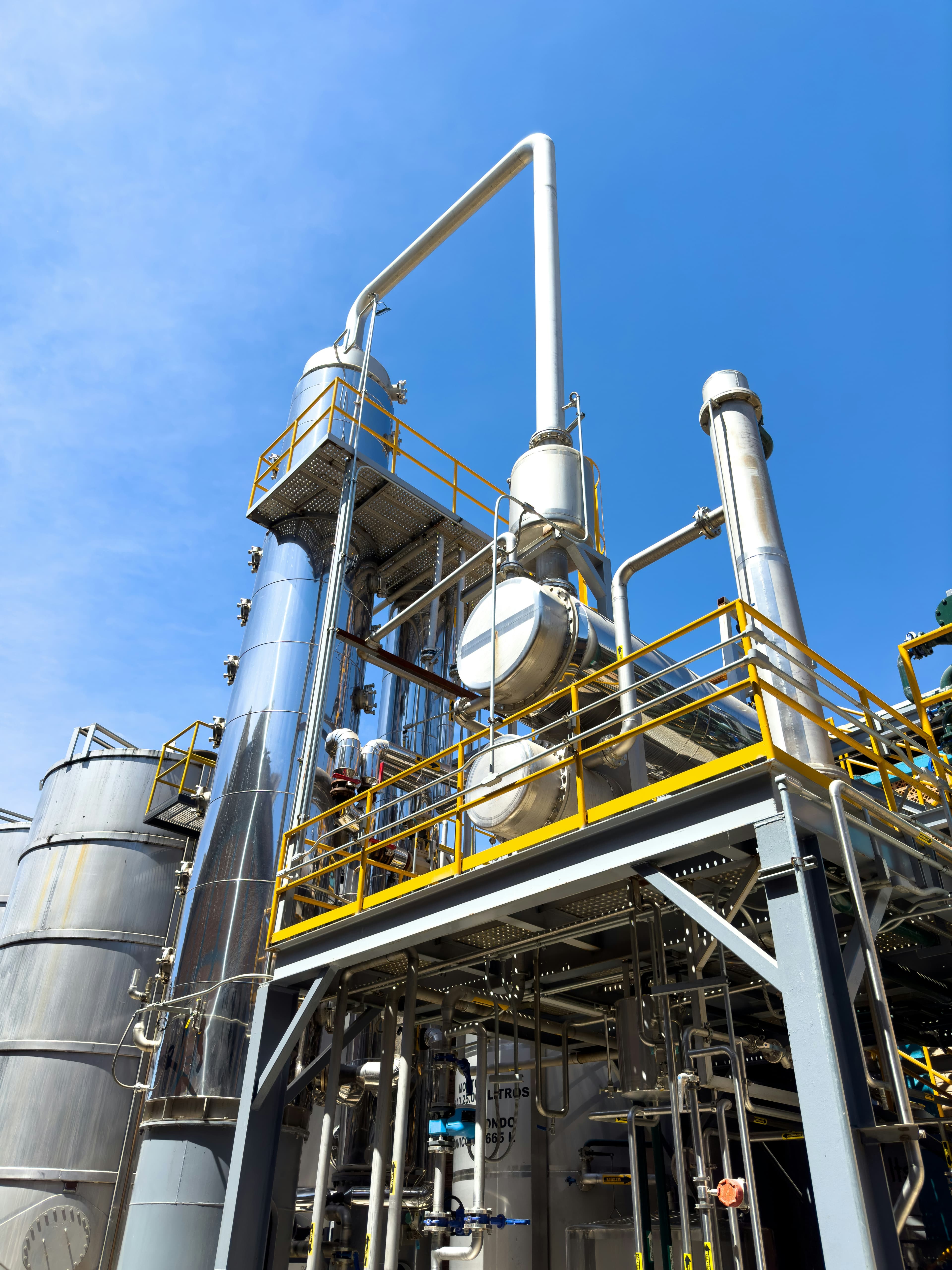
TSCA Week Two: How Chemical Companies Are Managing the Post-Fee-Expiry Transition
Two weeks after TSCA's fee authority expired, chemical companies are adapting to longer PMN review timelines and changing compliance priorities. Learn how to prepare your regulatory strategy.

Electronic Chemicals and the Semiconductor Supply Chain: Congress Tightens Focus on Critical Minerals
Electronic chemicals and specialty gases are now seen as defense‑critical, as a July 2026 CRS report highlighted the risk of Hormuz disruptions to sulfur and rare‑gas supplies. Congress is moving to classify these materials, unlocking federal incentives and reserve mechanisms. Procurement managers must map their portfolios to align with the new security‑of‑supply framework.

Force Majeure Wind-Down in H1 2026: Legal and Commercial Reset for Chemical Supply Contracts
Force majeure declarations triggered by the Hormuz crisis are now entering a structured wind-down phase across chemical supply chains. Procurement and legal teams must formalise documentation to avoid pricing disputes, liability gaps and contract ambiguity in H2 2026.
Não perca nossas atualizações! Assine nossa newsletter agora
Estamos comprometidos com sua privacidade. A Tradeasia usa as informações fornecidas para entrar em contato com você sobre conteúdos, produtos e serviços relevantes. Para mais informações, consulte nossa política de privacidade.