
Insights relacionados
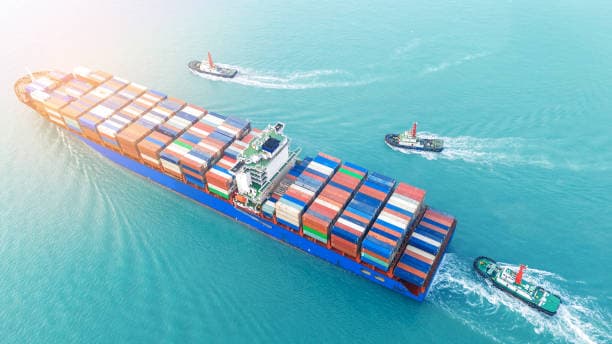
Hormuz War‑Risk Premiums Hit 10% of Hull Value: Chemical Shipping Toll
When war‑risk insurance for vessels transiting the Strait of Hormuz surged to 10% of hull value, chemical shipping faced record freight rates and supply chain strain. This article examines the drivers, impacts, and strategic responses within Gulf maritime logistics.
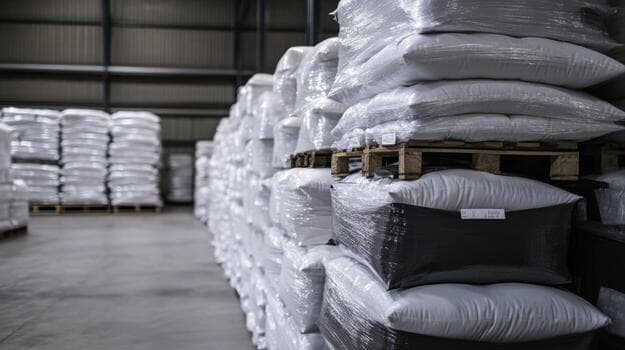
China's Export Timing Strategy: How Phosphate Restrictions Are Reshaping Global Fertilizer Trade
China's decision to delay phosphate exports until August, following earlier urea export restrictions, is influencing global fertilizer markets without formal trade bans. Procurement professionals should understand how export timing has become an increasingly important factor in supply chain planning.

Houthi Embargo Declaration: What It Means for Maritime Law and Chemical Trade Compliance
A recently declared embargo has renewed discussion around international maritime law and commercial shipping risk. Chemical procurement and compliance teams should monitor how legal interpretations could influence logistics, sanctions compliance and global trade operations.
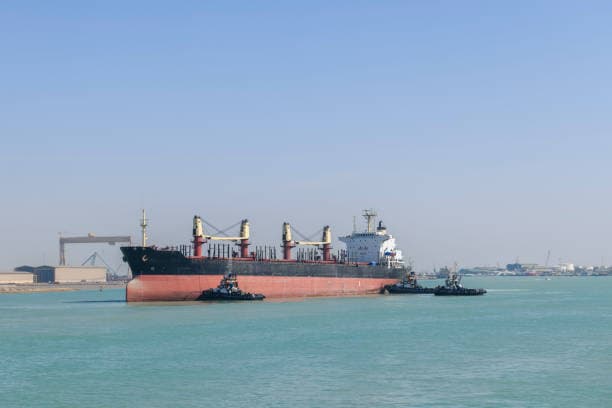
Iranian-Flagged Vessels Still Moving: What Their Transits Signal
Despite heightened tensions in the Persian Gulf, Iranian-flagged ships continue to navigate key maritime corridors. Their persistent presence offers clues about regional shipping resilience, chemical logistics, and the evolving power dynamics of global supply chains.
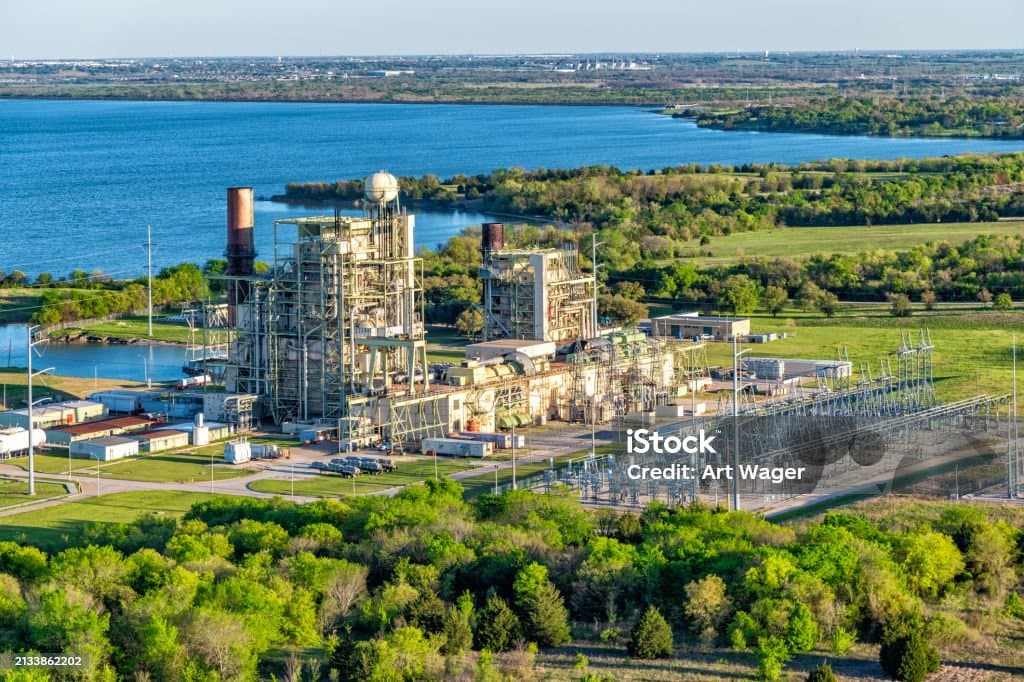
Navigating the 40% Urea Import Dependency & Post-Crisis Policy Shifts
The Congressional Research Service report shows that 40% of U.S. agricultural urea arrives by water, exposing a strategic vulnerability. Legislative responses are reshaping maritime corridors and regional infrastructure. These changes aim to strengthen supply chain resilience for domestic markets.
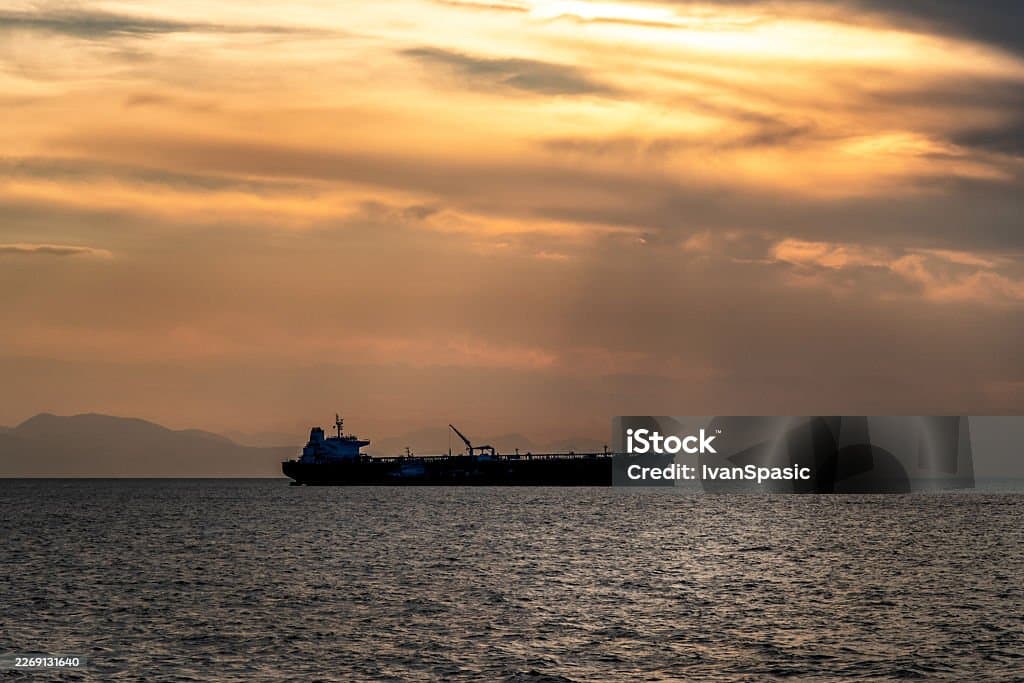
Hormuz Index at 90: Why Supply Chain Risk Remains Elevated Despite Convoy Operations
The recent improvement in convoy operations through the Strait of Hormuz has lowered the Hormuz Index, yet it remains alarmingly high at 90. Supply chain risk is still significant because factors beyond vessel movements—such as geopolitical tensions, port constraints, origination volatility, and cybersecurity threats—continue to loom. Chemical procurement teams must broaden their monitoring scope to stay ahead of these risks.
Não perca nossas atualizações! Assine nossa newsletter agora
Estamos comprometidos com sua privacidade. A Tradeasia usa as informações fornecidas para entrar em contato com você sobre conteúdos, produtos e serviços relevantes. Para mais informações, consulte nossa política de privacidade.