
Glacial Acetic Acid (99,8%) - China CAS: 64-19-7
Glacial Acetic Acid (99,8%) - China CAS: 64-19-7

The European Union’s new customs duties on Russian nitrogen, phosphate, and potash have forced farmers and traders worldwide to rethink sourcing, logistics, and pricing strategies. This article explores how the tariffs are reshaping global fertilizer markets, freight routes, and procurement decisions across the agricultural supply chain.
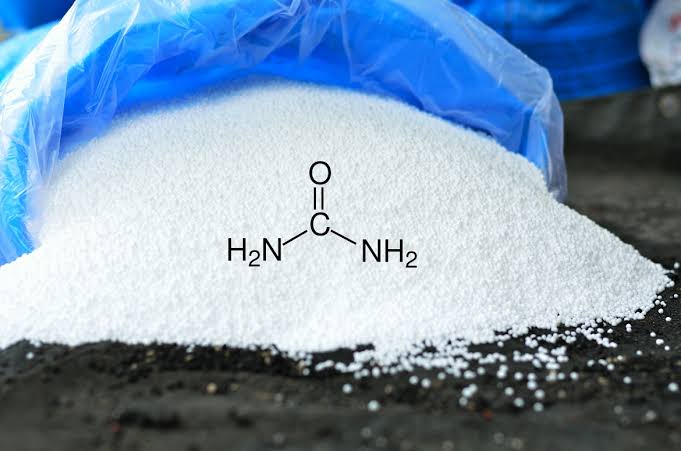
This week's agrochemical intelligence highlights fertilizer supply recovery, phosphate pricing, urea market developments, Bangladesh's ammonia restart, and upcoming EU trade decisions that could reshape procurement strategies during Q3 2026.
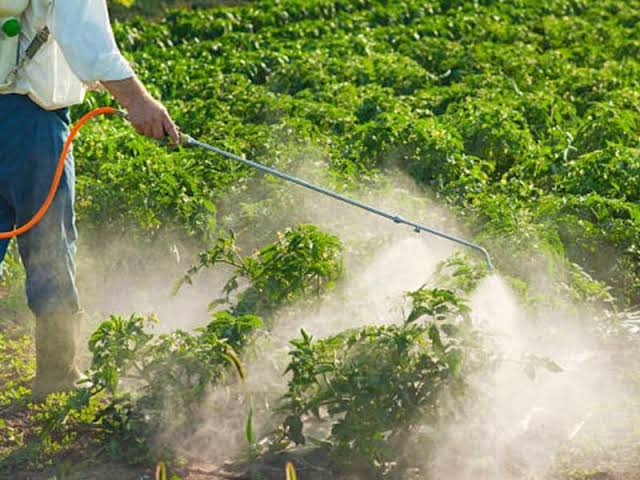
The European Union is expected to announce final anti-dumping decisions on selected crop protection chemicals in July 2026. The outcome could significantly influence agrochemical sourcing, pricing, and supplier strategies across Europe.

Singapore's PCS force majeure declaration reshaped supply planning for petrochemical buyers across Asia. As Middle East shipping conditions improve, procurement teams now face important decisions on contract renegotiation, delivery schedules and pricing.
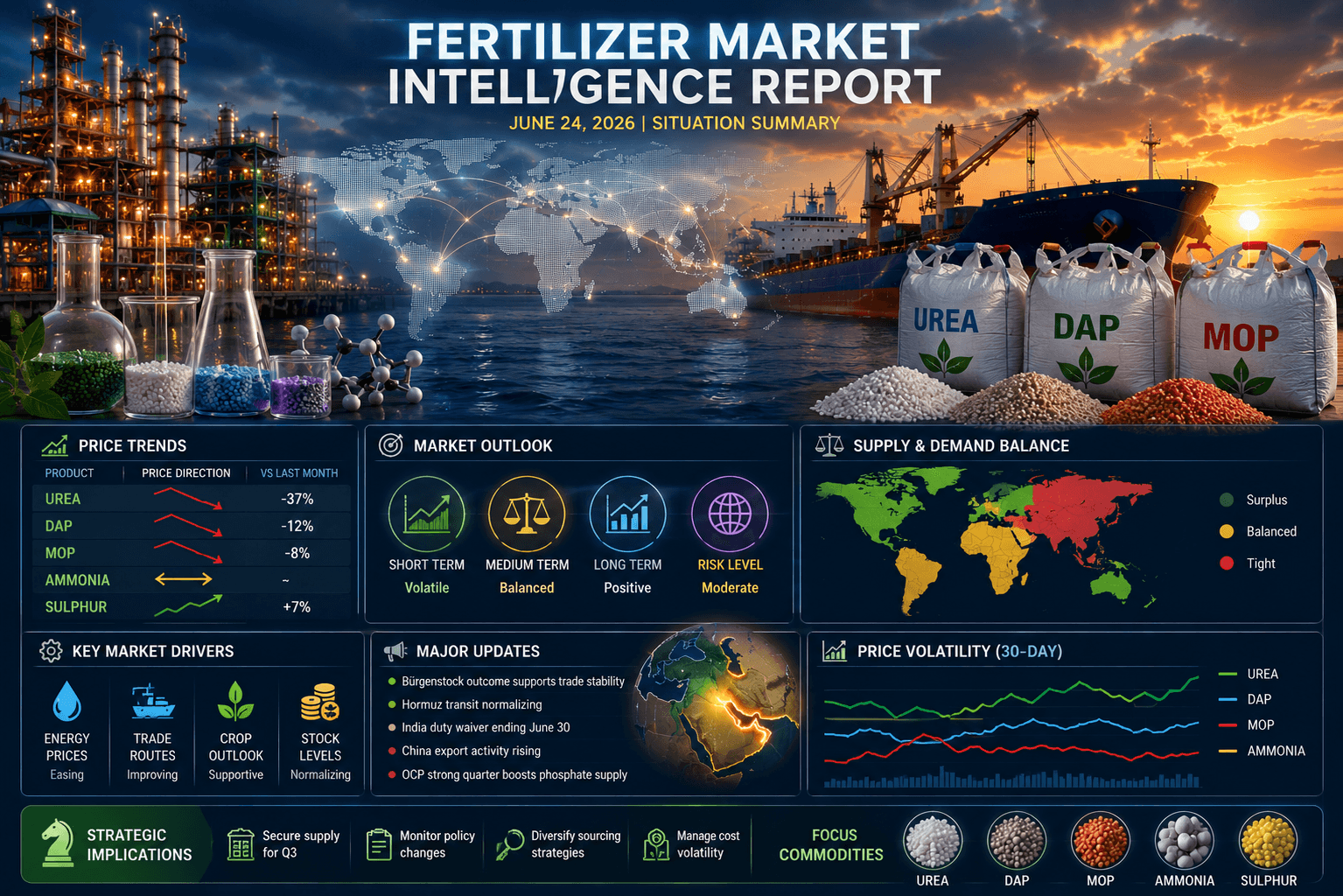
Global fertilizer markets are stabilizing after months of disruption, but June 2026 remains a critical procurement window. Urea prices are down 36%, ammonia exports may restart in July, and fertilizer buyers must navigate supply recovery, policy deadlines, and pricing uncertainty.

The Bürgenstock roadmap and recent Hormuz transit data signal a clear path for QAFCO and SABIC to resume ammonia exports in Q3 2026. While force majeure conditions may lift in July, mine clearance delays could postpone full tanker capacity until August. Agricultural and industrial buyers should prepare for an improved but staggered supply outlook.
We're committed to your privacy. Tradeasia uses the information you provide to us to contact you about our relevant content, products, and services. For more information, check out our privacy policy.