
Aluminium Sulfate CAS: 7784-31-8

The withdrawal of P&I insurance during the earlier Hormuz disruption sparked discussion about government-backed insurance solutions for commercial shipping. Chemical procurement and compliance teams should understand how future insurance frameworks could influence freight costs and supply chain resilience.
More than 22,500 mariners remain stuck on over 1,550 vessels in the Persian Gulf, a human crisis behind every delayed chemical shipment. For procurement teams sourcing from Gulf producers, this is no longer a distant headline but a direct line item in supply chain risk.

ADNOC’s two‑hub strategy reshapes the UAE chemical market. While Ruwais ramps up convoy operations, Sohar continues to dominate due to its established logistics network and lower congestion. Chemical buyers must weigh cost, risk, and supply‑chain nuances for Q3 2026.
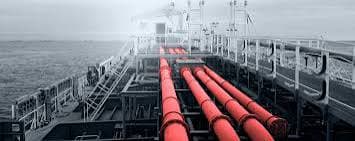
The most important lesson from 124 days of the 2026 Hormuz crisis is that physical supply recovery and diplomatic progress move independently. For chemical procurement teams planning Q3 supply, vessel crossing data from Kpler now matters far more than political statements coming out of Doha negotiations.

Singapore's PCS force majeure declaration reshaped supply planning for petrochemical buyers across Asia. As Middle East shipping conditions improve, procurement teams now face important decisions on contract renegotiation, delivery schedules and pricing.
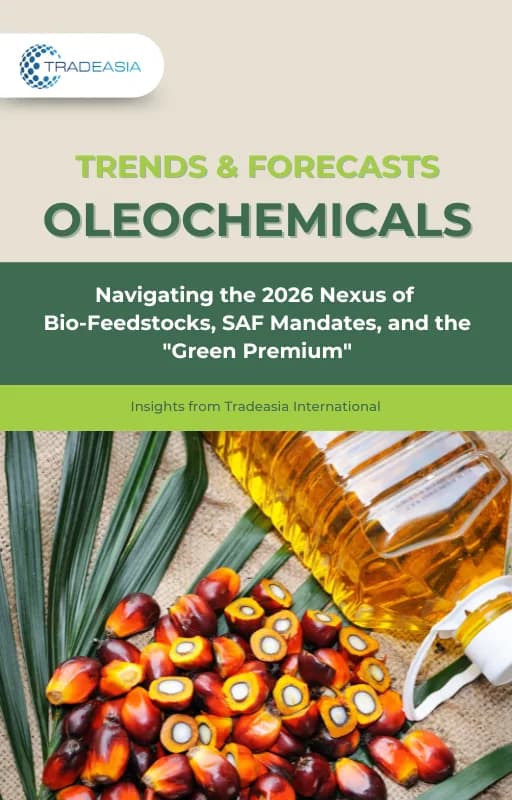
The Hormuz crisis has transformed digital maritime intelligence from a competitive advantage into an operational necessity. Chemical supply chain managers are increasingly relying on real-time vessel tracking and analytics to support procurement and logistics decisions.
We're committed to your privacy. Tradeasia uses the information you provide to us to contact you about our relevant content, products, and services. For more information, check out our privacy policy.