
Ammonium Bicarbonate (E503(ii)) CAS: 1066-33-7
Ammonium Bicarbonate (E503(ii)) CAS: 1066-33-7
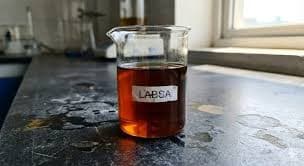
The return of Gulf n-paraffin exports could reshape LABSA pricing and regional competition. Learn how detergent manufacturers can prepare for a more competitive supply market.
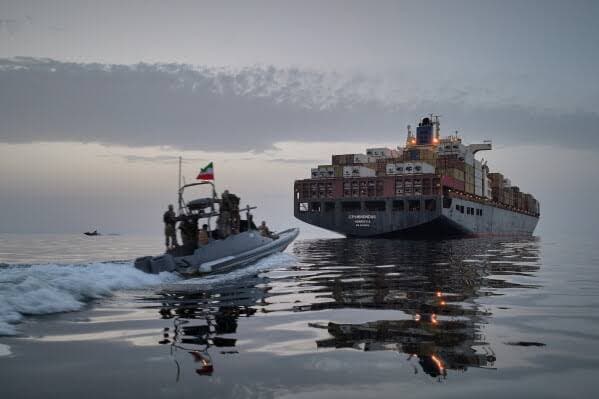
Kpler confirmed 34 vessel crossings through Hormuz on June 30, a sixfold increase over June’s average daily traffic. For chemical procurement professionals, the number signals the first meaningful Gulf supply recovery in months, but sustained movement over the next 48 hours will determine whether true normalization has begun.
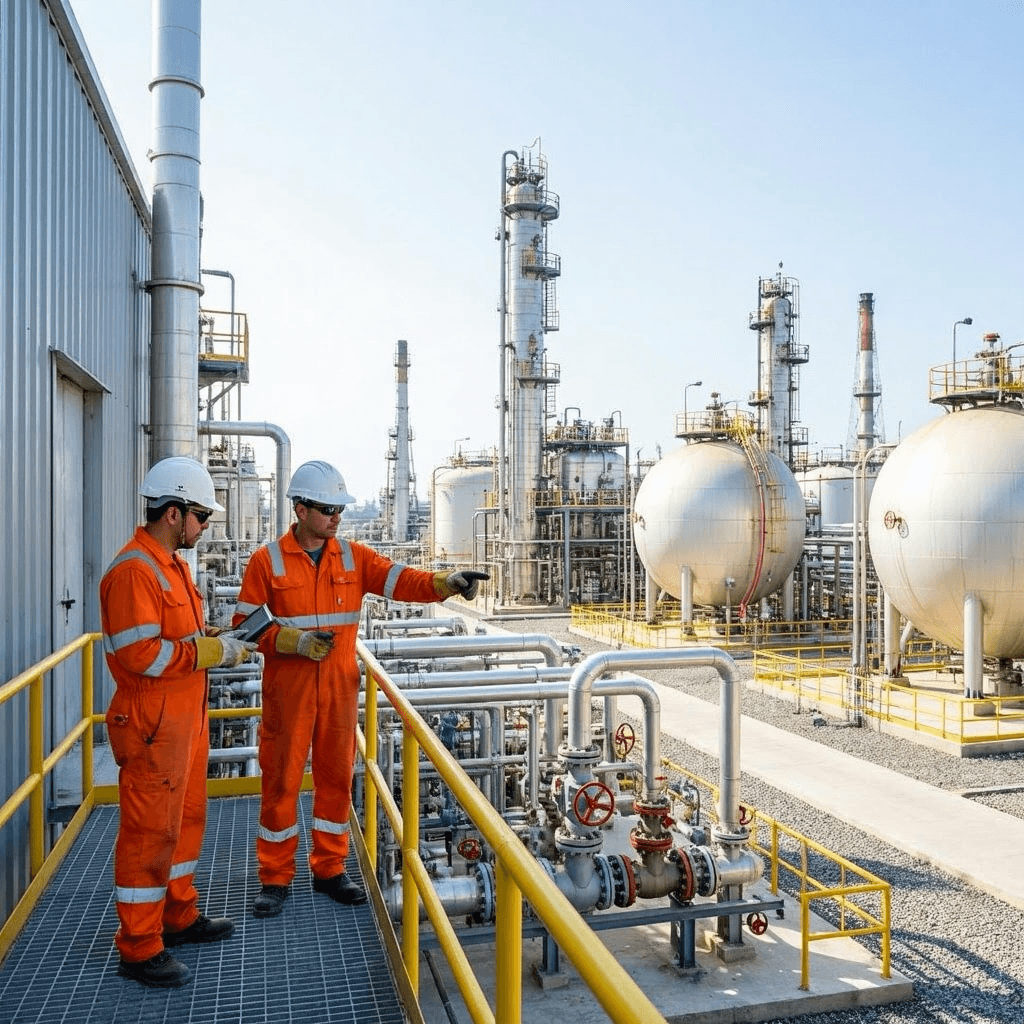
Sulfuric acid buyers face continued supply planning challenges as Hormuz recovery progresses but shipping restrictions remain. This analysis explains the impact on fertilizer, mining and industrial users through Q3 2026.
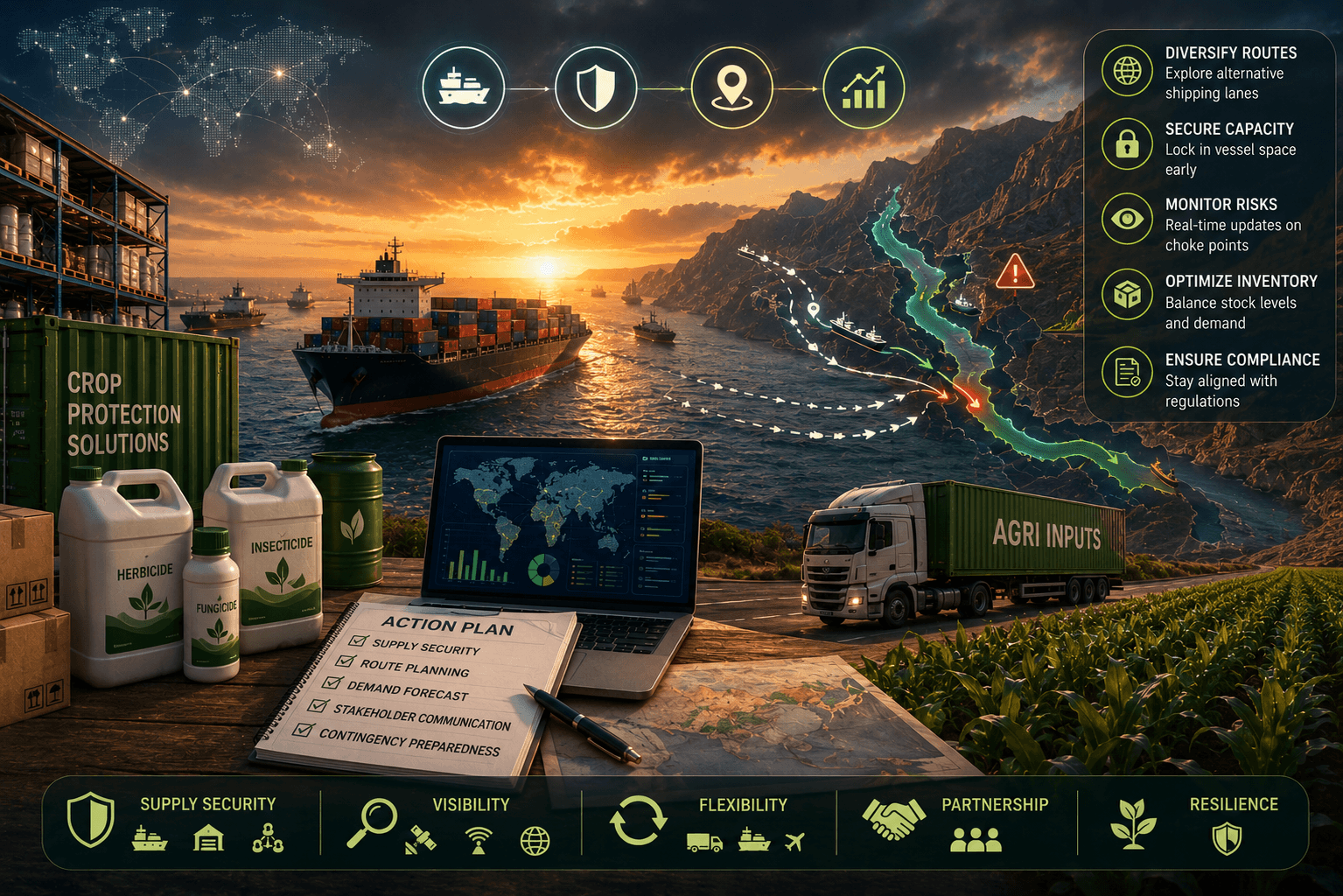
Agrochemical logistics are improving after the Hormuz disruption, but commercial shipping remains far below normal capacity. Importers should maintain conservative Q3 shipping plans, rely on Cape routing, and prepare for only partial Hormuz recovery by September.
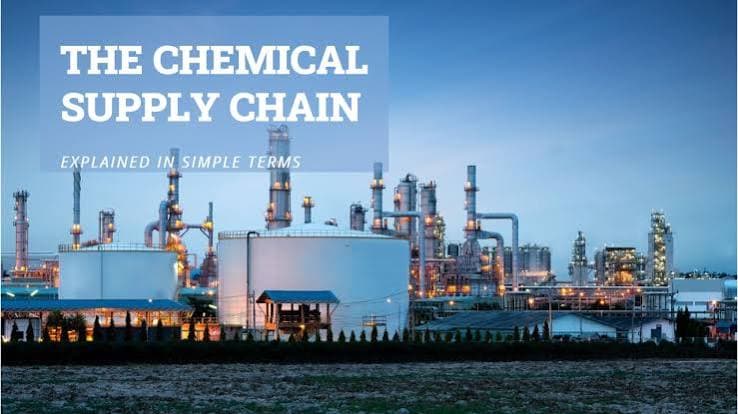
The Hormuz ceasefire agreement has improved sentiment, but supply chain conditions remain far from normal. Vessel congestion, mine clearance operations and production restart delays mean chemical buyers should maintain elevated inventory levels for now.

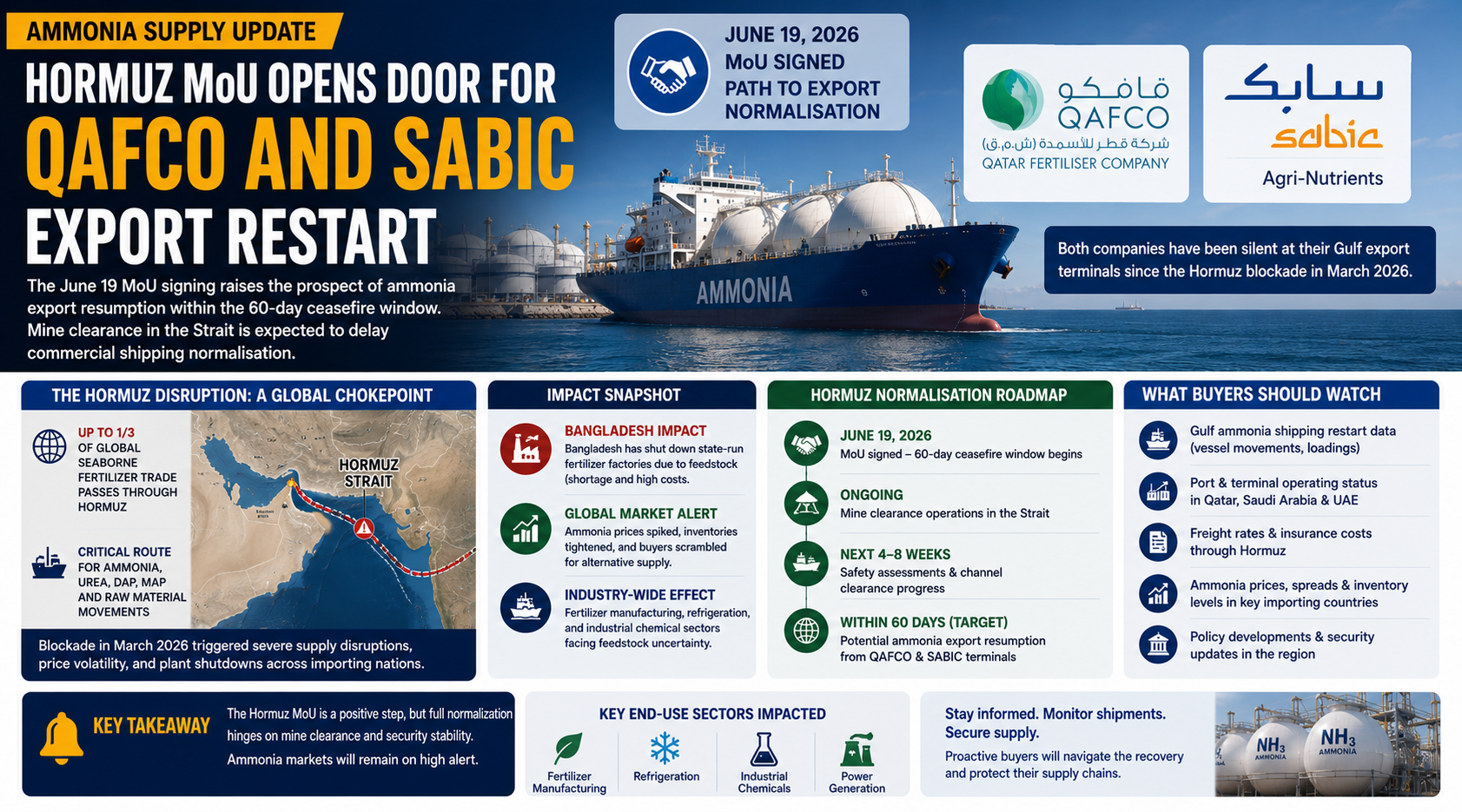
QatarEnergy's suspension of LNG, ammonia and urea production has created one of the most significant disruptions to global nitrogen fertilizer markets in years. Even after shipping routes normalize, analysts expect fertilizer exports from the region to require up to 18 months to fully recover.
We're committed to your privacy. Tradeasia uses the information you provide to us to contact you about our relevant content, products, and services. For more information, check out our privacy policy.