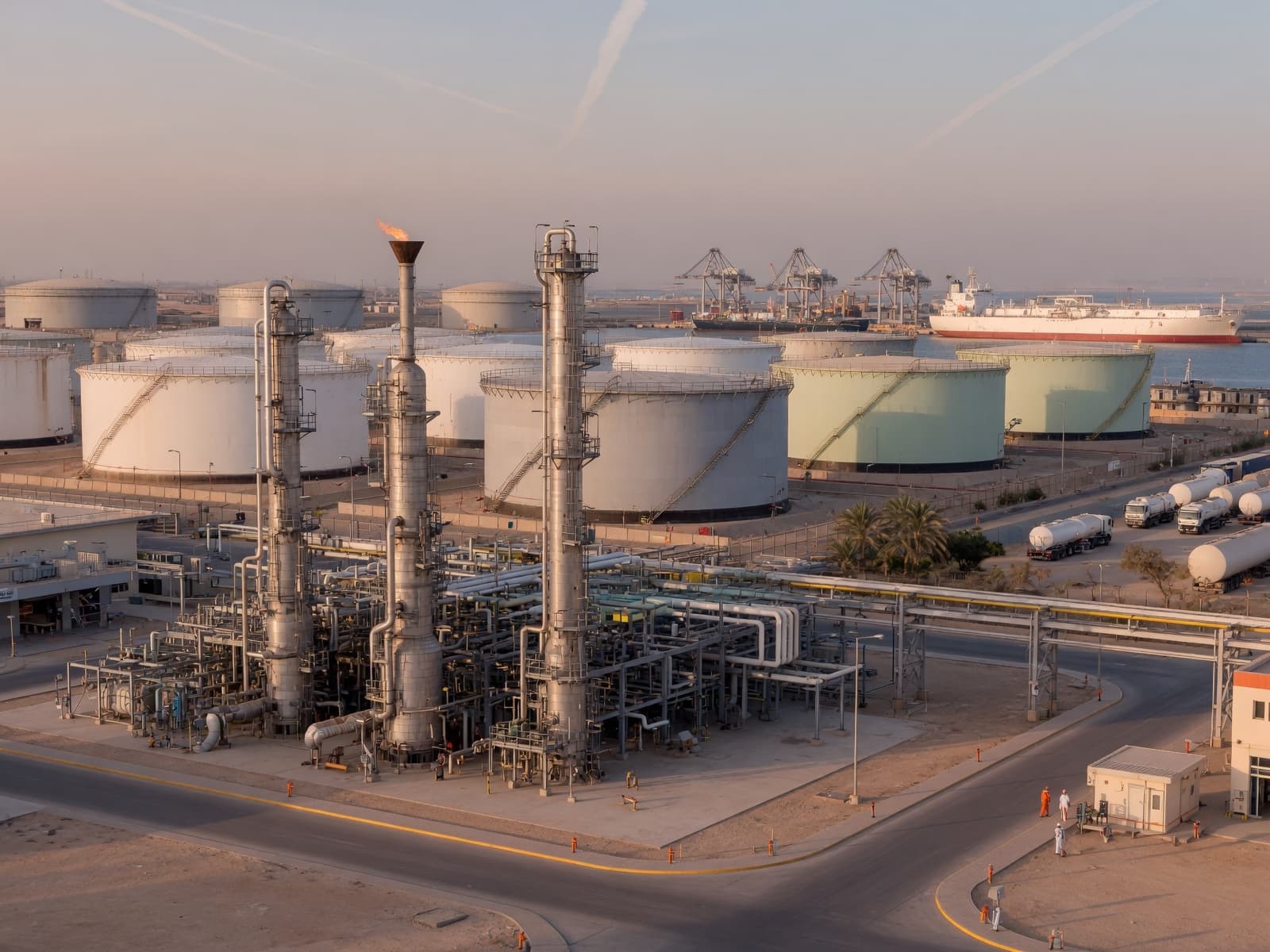
The global polyolefin market is entering a new phase after the formation of Borouge Group International, creating one of the largest integrated polyethylene and polypropylene producers in the industry. The polyolefin market outlook for 2026 is closely connected to the group’s production recovery, Middle East supply normalization and global polymer demand trends.
Formed through the combination of ADNOC’s Borouge, OMV’s Borealis and Nova Chemicals’ Sarnia assets, the new group brings together major production capabilities across polyethylene and polypropylene markets.
For polymer buyers worldwide, the group’s H2 2026 supply trajectory will be a key indicator of how quickly global PE and PP markets can stabilize.
Borouge Group Creates Major Polyolefin Supply Platform
Borouge Group International has emerged as a large-scale polyolefin producer with approximately 4 million tonnes per year of polyethylene and polypropylene production capacity.
The combination brings together:
Middle East production strength.
European technology and market access.
North American polymer capabilities.
Integrated downstream expertise.
This structure creates a broader global footprint and strengthens the company’s position in international polymer markets.
Borouge 4 Expansion Adds Future Polyethylene and Polypropylene Capacity
A major part of Borouge’s growth strategy is the Borouge 4 expansion project, which includes 14 new plants and approximately 3 million tonnes of additional capacity.
The expansion is designed to strengthen production capability and support growing global demand for advanced polyolefin materials.
Potential market impacts include:
Increased regional supply availability.
Greater export capacity.
Improved access to specialty polymer grades.
Stronger global competition among suppliers.
As new capacity becomes operational, buyers will closely monitor how additional volumes affect market balance.
Middle East Supply Recovery Becomes Key Market Signal
The Hormuz MOU has improved expectations for Middle East supply recovery, but polymer markets remain focused on physical production restoration rather than only sentiment.
Borouge’s Abu Dhabi production complex holds strategic importance because the UAE has pipeline alternatives that reduce dependence on Strait of Hormuz shipping routes.
This creates the possibility that Borouge could become one of the earlier major Middle Eastern polyolefin suppliers to restore stable export flows.
For buyers, this recovery path could influence:
Global PE availability.
PP pricing trends.
Regional import competition.
Inventory rebuilding.
Impact on Global Polyethylene and Polypropylene Markets
Polyethylene and polypropylene are among the most widely consumed polymers globally. They support packaging, automotive, construction and consumer product industries.
Major applications include:
Polyethylene (PE): Used in films, packaging, containers, pipes and industrial products.
Polypropylene (PP): Used in automotive parts, fibers, packaging and household products.
Because these materials are traded internationally, changes in Middle East production can affect pricing worldwide.
Supply Chain Implications for Polymer Buyers
The creation of Borouge Group International changes the competitive landscape for polymer procurement teams. A larger integrated supplier may provide broader product availability, but buyers should also monitor market concentration.
Key procurement considerations include:
Supplier diversification.
Contract flexibility.
Regional availability.
Product grade requirements.
Logistics planning.
Companies relying heavily on Middle East supply should evaluate alternative options while recovery continues.
Polyolefin Pricing Outlook Through H2 2026
Polyolefin prices are expected to remain influenced by supply recovery speed, feedstock costs and demand conditions.
Factors that could support prices include:
Delayed production restoration.
Higher energy costs.
Strong downstream demand recovery.
Factors that could limit prices include:
New capacity additions.
Improved Middle East availability.
Competitive global exports.
The balance between restored supply and demand growth will determine the market direction.
Global Competition in the Polyolefin Industry
The formation of Borouge Group comes during a period of major change in global polymer markets. Producers are expanding capacity while also facing margin pressure and shifting demand patterns.
Competitive factors include:
Production cost advantages.
Access to feedstocks.
Technology capabilities.
Regional customer networks.
Export logistics.
Large integrated producers with access to competitive feedstocks may have an advantage in future market conditions.
Sustainability and Advanced Polymer Development
Polyolefin producers are increasingly focusing on recycling, advanced materials and lower-carbon production methods.
Industry priorities include:
Circular polymer solutions.
Recycled resin development.
Energy efficiency.
Improved material performance.
These trends are becoming increasingly important for buyers managing sustainability targets.
Procurement Strategy for PE and PP Buyers
The evolving polyolefin market requires procurement teams to balance competitive pricing with reliable supply. Large-scale mergers can create opportunities, but buyers should continue managing supplier risk.
Recommended actions include:
Monitoring producer restart schedules.
Comparing regional supply options.
Reviewing long-term agreements.
Tracking new capacity developments.
Maintaining flexible sourcing plans.
A proactive strategy can help companies navigate changing polymer markets.
What Buyers Should Track in H2 2026
Borouge Group International’s recovery and expansion plans will be among the most important supply signals for global PE and PP markets. As Middle East production normalizes, buyers will assess whether additional availability creates stronger market balance.
The next phase of the polyolefin industry will depend on supply recovery, demand growth and how producers manage new capacity.
Companies that closely follow production trends and maintain adaptable procurement strategies will be better positioned as the market evolves.
Ready to source Low Density Polyethylene (LDPE) from verified global suppliers? Explore competitive offers on our platform today.
Linear-Low Density Polyethylene (LLDPE) CAS: 9002-88-4