
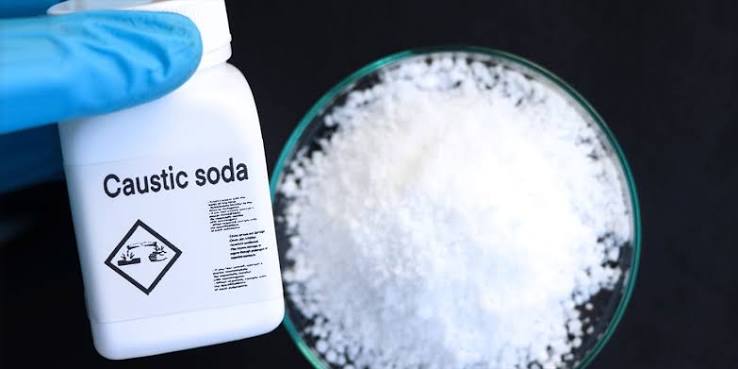
Caustic Soda Flakes CAS: 1310-73-2
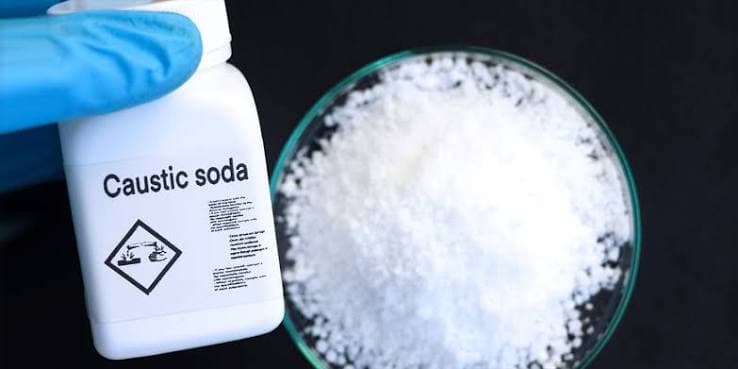
Caustic Soda Flakes CAS: 1310-73-2

A reported 520,000-tonne acrylonitrile data reversal in early July 2026 highlights how production statistics can change rapidly and influence market expectations. Procurement teams should understand why reliable market intelligence is just as important as pricing when making sourcing decisions.

Refrigerant R22 prices surged by more than 2,000 yuan per tonne within a single week during July 2026, drawing attention across China's chemical market. Procurement teams should understand what such rapid movements may signal for refrigerant supply, industrial demand and purchasing strategies.

The IMF's April 2026 Regional Economic Outlook highlights the strategic importance of the Strait of Hormuz to global oil, helium, sulfur, ammonia and petrochemical feedstock flows. Chemical procurement teams can use this multilateral data to strengthen supply chain risk assessments and executive decision making.

This weekly brief highlights Gulf logistics recovery, structural helium constraints, rising GLP‑1 solvent demand, shifting polymer duties in India, and imminent EU regulatory updates. Procurement teams must adjust sourcing strategies to navigate these evolving risks and opportunities.

Asian petrochemical producers are reshaping their naphtha sourcing strategies after major supply disruptions exposed concentration risks. This analysis explains why diversified procurement has become a long-term competitive advantage for buyers across the region.
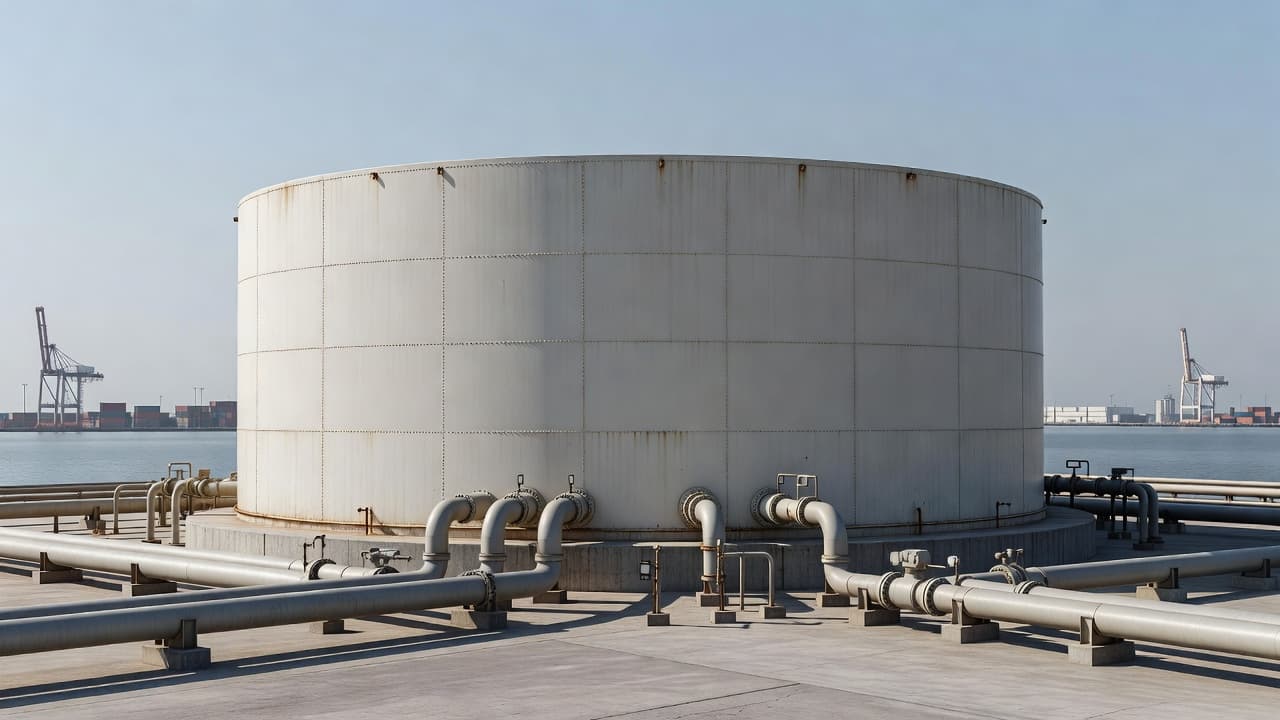
Chemical supply chains depend on stable trade routes, diplomatic channels and predictable negotiations. The Oman crisis shows how quickly geopolitical decisions can affect sourcing strategies, supplier confidence and procurement planning.
We're committed to your privacy. Tradeasia uses the information you provide to us to contact you about our relevant content, products, and services. For more information, check out our privacy policy.