
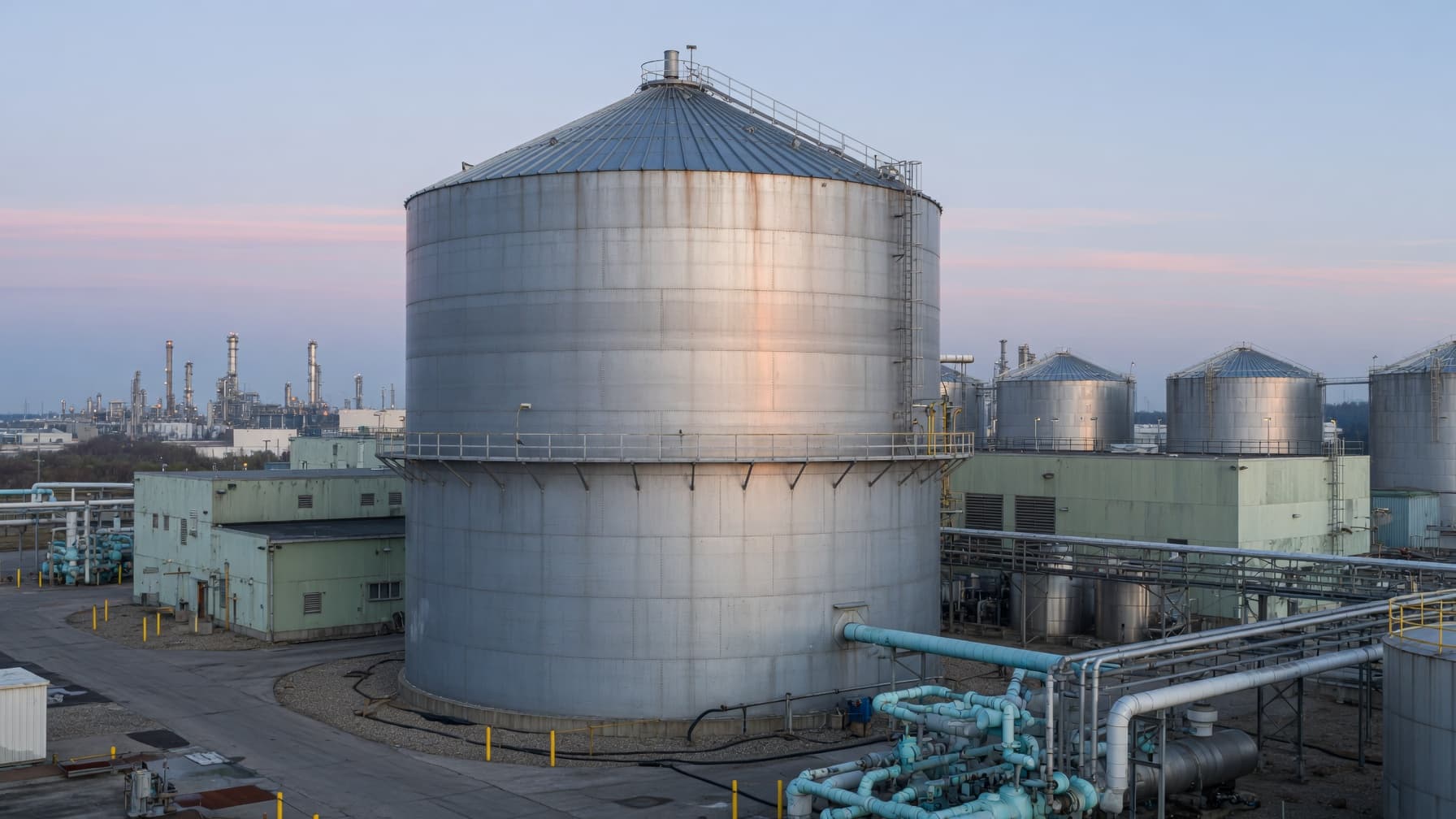
Industry demand hierarchy shaping global chemical consumption by 2035
The chemical demand outlook by industry reveals a steep hierarchy in growth performance. Some sectors expand at double digit rates while others stagnate or decline due to structural substitution and efficiency gains.
High-growth categories include:
Battery and energy materials, driven by electrification and grid storage expansion
Semiconductors and AI infrastructure, requiring ultra-high purity solvents and gases
Agrochemicals, supported by food security and yield optimization pressures
Water treatment, driven by urbanization and industrial recycling mandates
Moderate-growth sectors include personal care and construction chemicals. These depend on demographic expansion and infrastructure cycles rather than technological disruption.
Declining categories include internal combustion engine related solvents, MTBE and some traditional lubricants. These face direct substitution from EV platforms and cleaner fuel alternatives.
This divergence forces buyers to segment procurement strategies by industry cycle rather than treating chemicals as a uniform commodity class.
Battery and energy materials driving fastest chemical growth
Battery chemicals dominate the upper end of the growth spectrum with projected expansion between 25 and 70 percent CAGR for green chemical inputs. This includes electrolyte salts, binders, solvents and precursor materials used in lithium ion and next generation battery systems.
Demand is concentrated in Asia but consumption growth is global due to EV penetration across Europe and North America. Energy storage projects are also increasing industrial scale demand for stabilizing chemicals and conductive materials.
Key drivers include:
Rapid EV adoption requiring high volume lithium based chemistries
Grid scale storage systems supporting renewable energy integration
Government subsidies targeting domestic battery manufacturing
Ultra high purity requirements create supply bottlenecks. Even minor contamination in electrolyte or solvent systems can degrade battery performance, forcing buyers to secure long-term contracts with qualified suppliers.
Procurement teams now prioritize traceability, consistency and low impurity thresholds over pure cost optimization in this segment.
Semiconductor and AI infrastructure chemicals expanding at premium value
Semiconductors and AI infrastructure represent one of the most value intensive segments in the chemical demand outlook by industry. Growth rates of 15 to 20 percent CAGR reflect rising complexity in chip fabrication and packaging.
This segment relies heavily on ultra pure gases, specialty solvents, photoresists and dielectric materials. Manufacturing processes require extreme precision where even trace impurities can lead to wafer defects.
Critical chemical inputs include:
High purity hydrogen peroxide and acids for wafer cleaning
Specialty fluorinated gases for etching and deposition
Electronic grade solvents for lithography processes
AI infrastructure expansion is amplifying demand for advanced chips used in data centers and high performance computing. This indirectly increases chemical consumption across fabrication ecosystems in Taiwan, South Korea and the United States.

Water treatment and agrochemicals reshaping bulk chemical demand
Water treatment chemicals show steady expansion driven by municipal infrastructure upgrades and industrial recycling systems. The market is expected to grow from USD 40.2 billion in 2025 to USD 48 billion by 2030, reflecting a stable mid single digit CAGR.
Key chemical inputs include coagulants, flocculants, disinfectants and pH control agents. Industrial wastewater regulations are tightening globally, forcing manufacturers to invest in treatment systems that rely heavily on commodity chemicals.
Agrochemicals represent a much larger and more dynamic demand base. With projected expansion from USD 251.4 billion in 2026 to USD 346.7 billion by 2033, agriculture remains a core driver of bulk chemical consumption.
Growth factors include:
Population growth increasing food demand pressure
Soil degradation requiring higher fertilizer efficiency
Climate variability affecting crop yields
Fertilizer chemicals such as urea, phosphates and potash remain central to global trade flows. Demand stability in this segment provides baseline volume support for chemical producers even during cyclical downturns.

Personal care and construction chemicals linked to demographic and infrastructure cycles
Personal care chemicals continue to grow steadily as urban populations expand and disposable income rises in emerging markets. The sector is expected to reach USD 32.3 billion by 2033, driven by surfactants, emollients and specialty actives.
Growth is less volatile compared to industrial segments but remains sensitive to consumer trends and regulatory shifts on formulation safety.
Construction chemicals follow a cyclical pattern tied to housing and infrastructure spending. Recovery is expected from 2027, particularly in regions experiencing housing shortages and urban redevelopment.
Key construction chemical categories include:
Concrete admixtures improving strength and durability
Waterproofing agents for infrastructure resilience
Adhesives and sealants used in modular construction
These segments rely heavily on upstream petrochemical inputs, making them sensitive to energy price fluctuations. However, long term demand remains supported by global urbanization trends.
Automotive transformation and EV lightweighting chemical demand
Automotive chemicals are undergoing a structural shift driven by electrification. Traditional lubricant demand linked to internal combustion engines is gradually declining as EV adoption accelerates.
At the same time, new demand streams are emerging in EV lightweighting materials and battery related chemistries. These include polymers, composites and advanced coatings that reduce vehicle weight and improve energy efficiency.
Key demand shifts include:
Reduced demand for engine oils and fuel additives
Increased demand for thermal management fluids
Growth in high performance plastics and composites
Manufacturers now prioritize performance chemicals that improve range efficiency and thermal stability in EV systems. This creates new supply chains that differ significantly from legacy automotive chemical networks.
Procurement teams must adapt sourcing models to reflect shorter innovation cycles and faster material replacement rates.
Declining legacy segments and structural substitution in chemical markets
Some chemical categories are experiencing long term decline due to technological and regulatory substitution. MTBE demand continues to weaken as fuel formulations shift and environmental restrictions tighten.
Traditional solvents linked to internal combustion engines also face gradual displacement from water based and bio based alternatives. This reduces baseline demand in certain petrochemical value chains.
Declining segments include:
MTBE used in fuel oxygenation
Conventional lubricants tied to ICE vehicles
Selected aromatic solvents replaced by greener alternatives
These declines do not eliminate demand entirely but compress growth expectations and reduce long term contract stability. Producers in these segments are increasingly diversifying into specialty and green chemistry portfolios to offset volume loss.

What procurement teams need to prioritize in the 2035 demand landscape
Procurement strategies must adapt to a fragmented demand structure where growth concentrates in specialized chemical categories. Buyers can no longer rely on uniform sourcing models across all segments.
Key priorities include:
Securing long term contracts for battery and semiconductor chemicals to reduce supply risk
Diversifying suppliers in agrochemicals to manage seasonal and geopolitical volatility
Monitoring regulatory shifts in water treatment and construction chemicals
Risk management becomes central as supply chains tighten around high purity and sustainability requirements. Price volatility will increasingly reflect technological complexity rather than just feedstock fluctuations.
The most effective procurement teams will align sourcing strategies with industry specific growth curves rather than global averages.
Ready to source urea (granular) from verified global suppliers? Explore competitive offers on our platform today.
Urea (Granular) - Egypt CAS: 57-13-6