
Calcium Chloride (E509) CAS: 10043-52-4
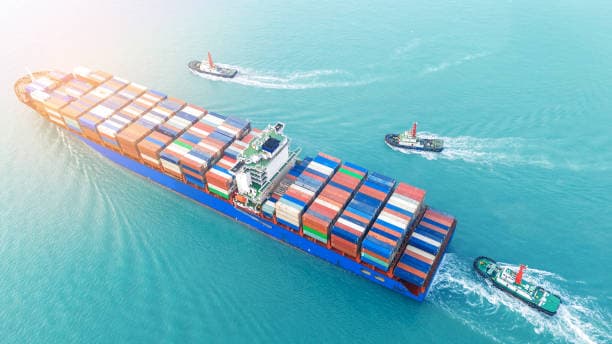
When war‑risk insurance for vessels transiting the Strait of Hormuz surged to 10% of hull value, chemical shipping faced record freight rates and supply chain strain. This article examines the drivers, impacts, and strategic responses within Gulf maritime logistics.
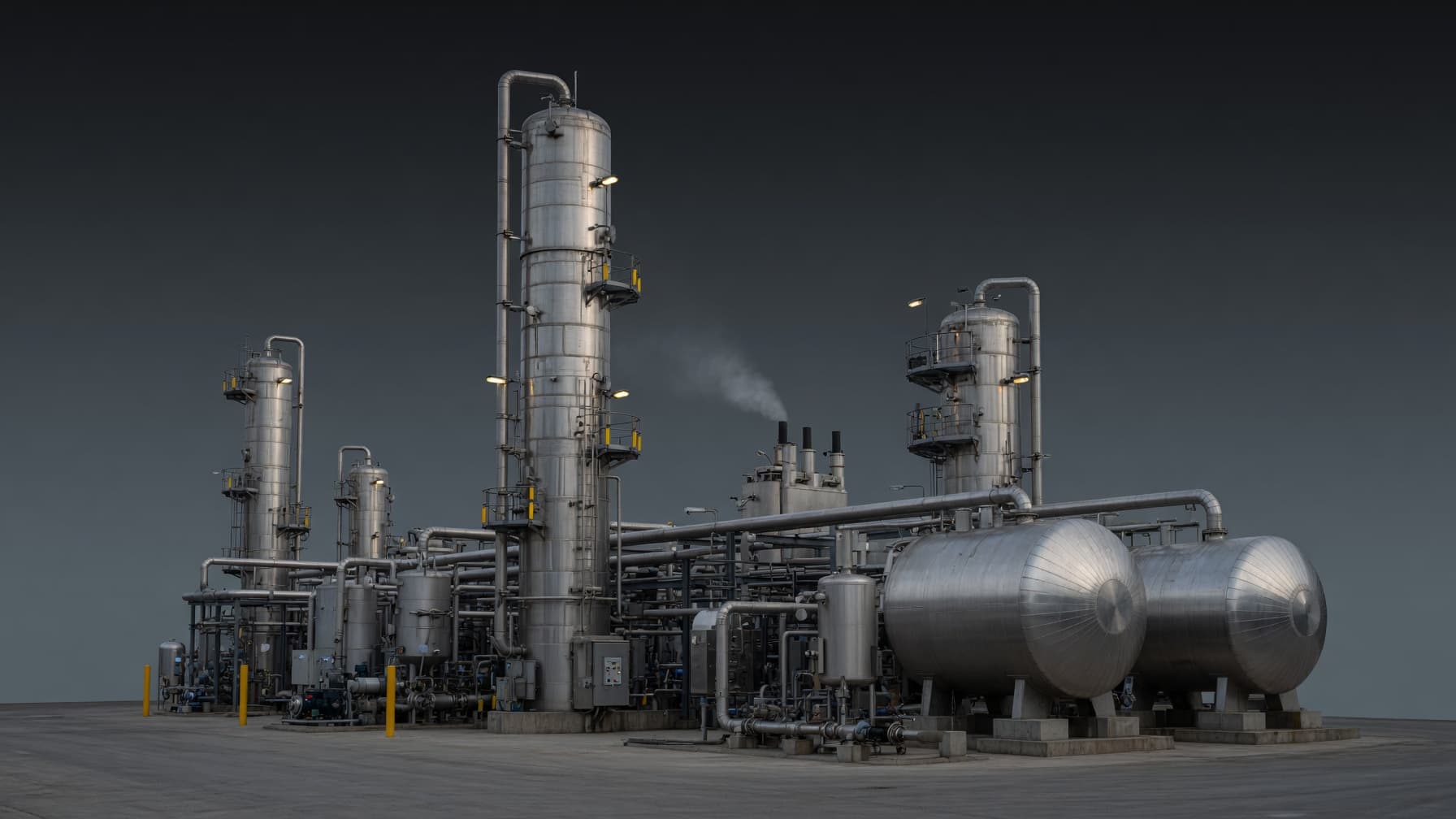
Chemical companies are entering 2026 with a renewed focus on cash flow, portfolio restructuring and selective investment rather than aggressive expansion. Procurement teams should understand how this strategy could affect production capacity, supplier priorities and long-term supply reliability.
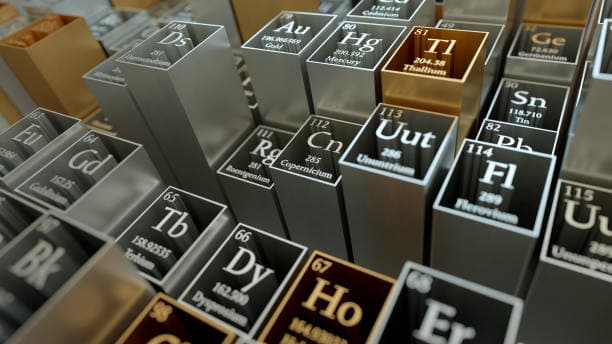
Tungsten, a critical trace metal used in tungsten carbide tools, is central to the durability of food processing and packaging equipment. Recent export restrictions threaten to elevate maintenance costs, disrupt production schedules, and compromise long‑term ingredient supply chains. Understanding this hidden risk is essential for manufacturers and policymakers alike.

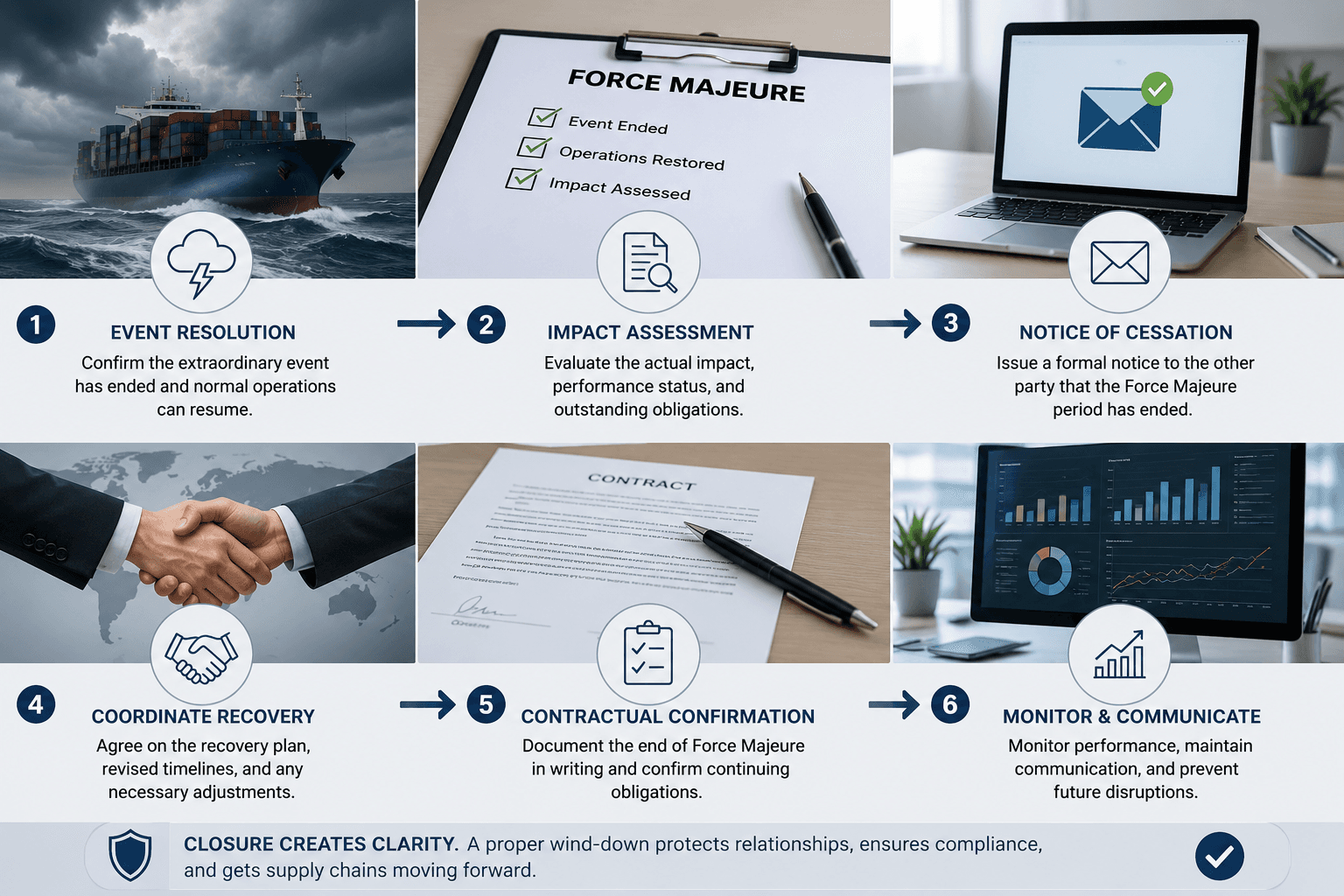
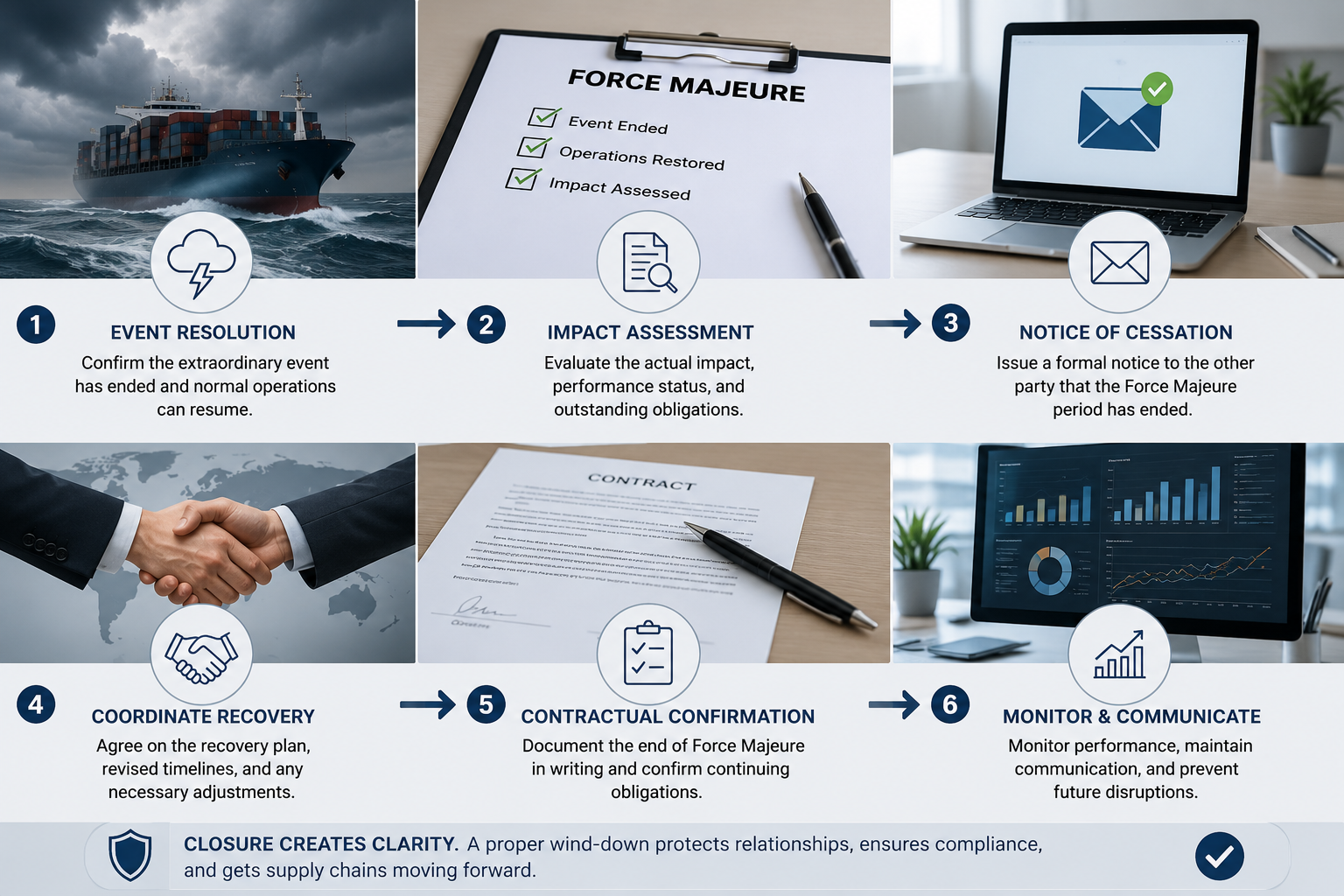
The 2026 Hormuz crisis exposed structural weaknesses in global chemical supply chains. The lessons learned should now be translated into permanent procurement policies that strengthen resilience long after the crisis ends.
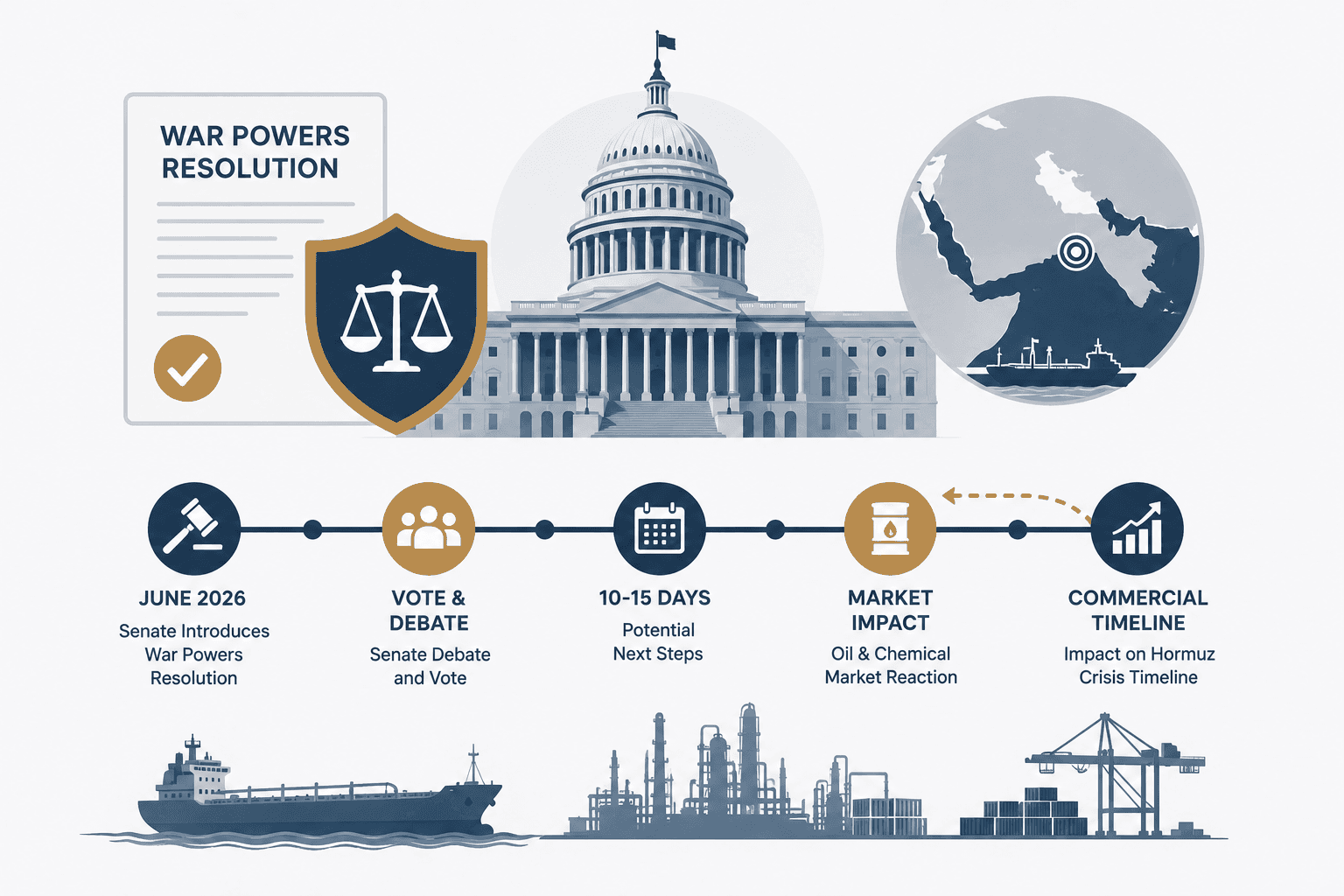
The US Senate’s war powers resolution against Trump’s Iran conflict strategy may accelerate diplomatic pressure around the Hormuz crisis. For chemical markets, faster political de-escalation could mean quicker supply chain recovery and a more positive H2 2026 outlook.

TSCA's fee authority expired June 22, 2026, creating uncertainty in the US new chemical review pipeline.
We're committed to your privacy. Tradeasia uses the information you provide to us to contact you about our relevant content, products, and services. For more information, check out our privacy policy.