
Related Insights
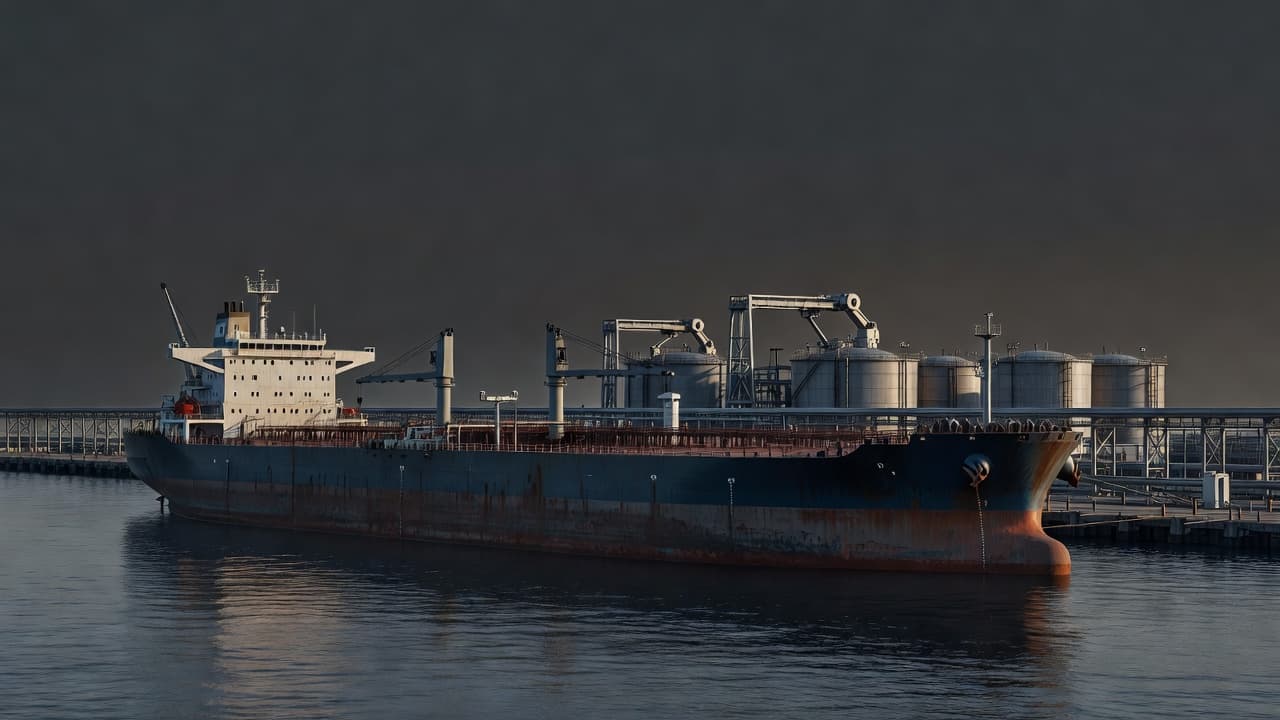
Sanctions Waiver Reversal: What the End of Iranian Oil Sales Authorization Means for Chemical Trade
The termination of Treasury's authorization for Iranian oil sales and new transaction approvals marks an important shift in international trade compliance. Chemical companies should review procurement, logistics and financial exposure to ensure continued sanctions compliance.

Japan's Agrochemical Pivot Toward India: Following the Solar Materials Playbook
As Japanese chemical makers redirect investment from China to India across sectors like solar materials, agrochemical suppliers are watching whether a similar shift plays out in crop protection. For procurement teams managing fungicide, herbicide and insecticide portfolios, understanding whether this geographic pivot extends to agricultural chemicals matters for supply chain planning and sourcing strategy.
Acetic Acid and Ethyl Acetate Tick Up: Why July's Price Increases Matter for Petrochemical Buyers
Modest price increases for acetic acid and ethyl acetate in early July 2026 may signal changing market sentiment in China's petrochemical sector. Procurement teams should monitor these movements closely, as small upstream price adjustments often precede broader changes across downstream chemical markets.
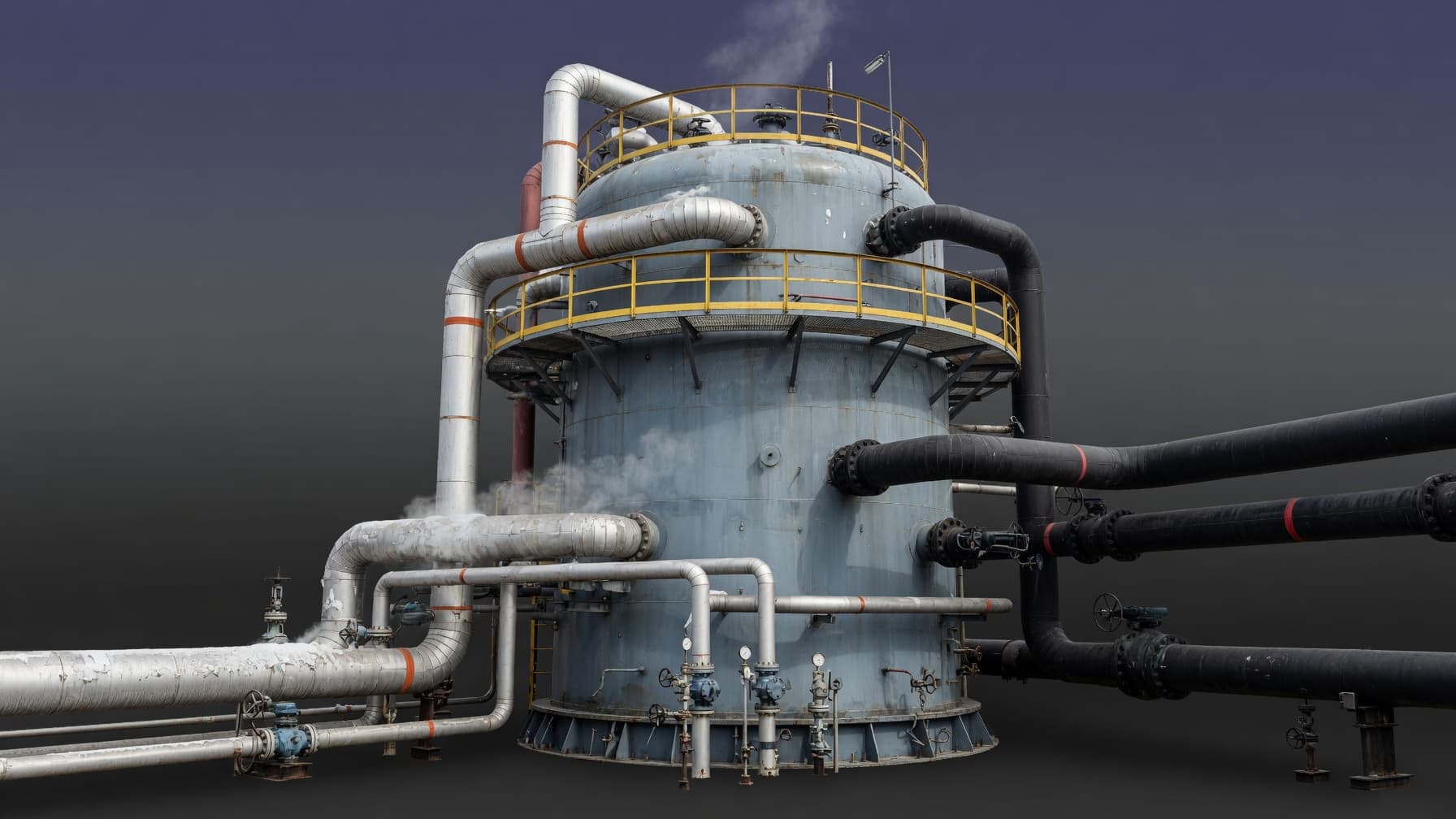
Germany's Chemical Capacity Utilization Stuck at 75.1%: What VCI's Unprofitable Threshold Means for Buyers
German chemical capacity utilization improved slightly to 75.1% but remains below the level needed for profitable production. With VCI expecting output to fall again across 2026, procurement teams should prepare for restructuring, reduced local availability and greater import dependence.
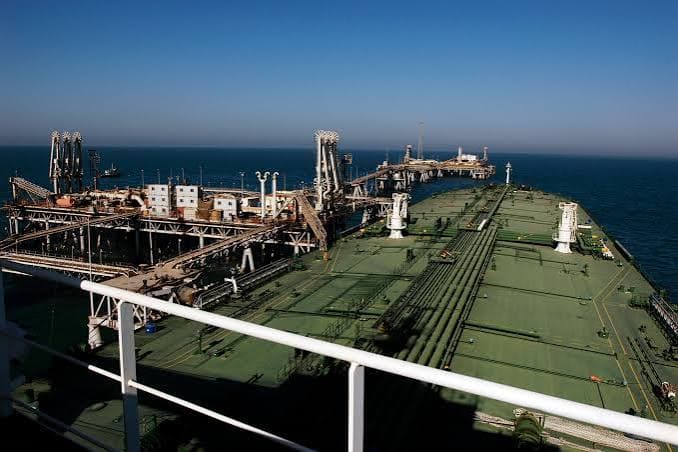
Iran’s “Service Fees”: What Toll-Based Passage Would Cost the Chemical Industry Annually
Iran’s proposal to charge “service fees” for Hormuz passage could permanently reshape the economics of global chemical trade. If transit charges become permanent, Gulf-origin chemical supply chains may face $500 million to $1.5 billion in additional annual costs that buyers will ultimately absorb through higher contract pricing.

MEG Export Waivers and Their Impact on Global Petrochemical Procurement
Iran’s reported petrochemical export waivers could reshape MEG supply expectations for textile and chemical buyers across key markets. This analysis examines how Iranian MEG availability, sanctions considerations and sourcing decisions may affect procurement strategies.
Don't miss out on our updates! Subscribe to our newsletter now
We're committed to your privacy. Tradeasia uses the information you provide to us to contact you about our relevant content, products, and services. For more information, check out our privacy policy.