
Potassium Sulphate - Indonesia CAS: 7778-80-5
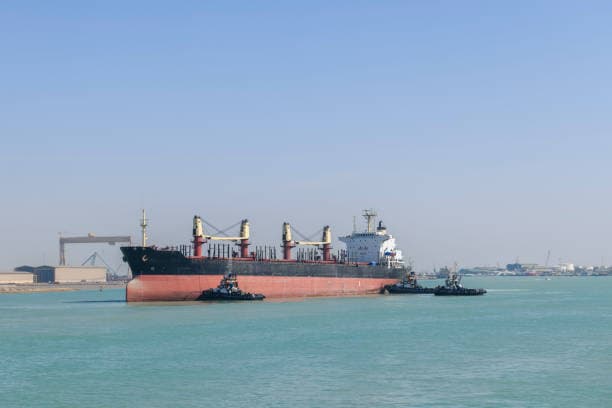
Despite heightened tensions in the Persian Gulf, Iranian-flagged ships continue to navigate key maritime corridors. Their persistent presence offers clues about regional shipping resilience, chemical logistics, and the evolving power dynamics of global supply chains.

Qatar’s strategic position as a chemical exporter, coupled with its control over frozen Iranian funds and a robust LNG supply chain, solidifies its role in Gulf fertilizer markets. The nation’s diplomatic clout ensures stable ammonia production and market confidence across the region.

India’s chemical procurement market enters a new cost environment after the customs duty exemption ended on July 1. Buyers must now recalculate landed costs as duties return across key petrochemical raw materials.

The 2026 Hormuz crisis transformed chemical procurement into an intelligence-driven function. Platforms like ICIS, Kpler, Xeneta, and ChemAnalyst are now essential tools helping procurement teams track prices, shipping disruption, freight rates, and supply risk in real time.
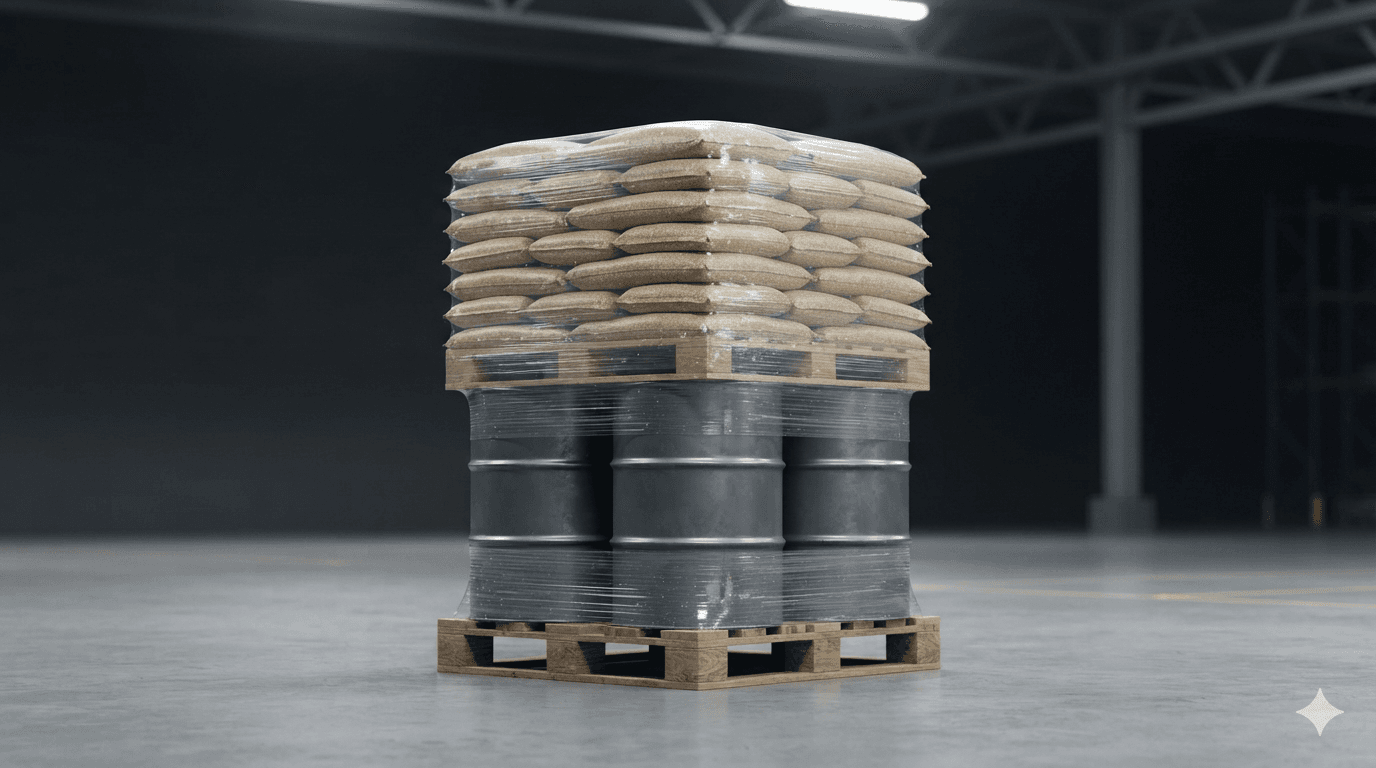
China’s tightening export controls on herbicides, pesticides, and key fertilizer inputs have rattled global agrochemical supply chains. Buyers are diversifying suppliers, boosting inventories, and rethinking procurement strategies. The shift is reshaping the industry’s risk profile and trade patterns.
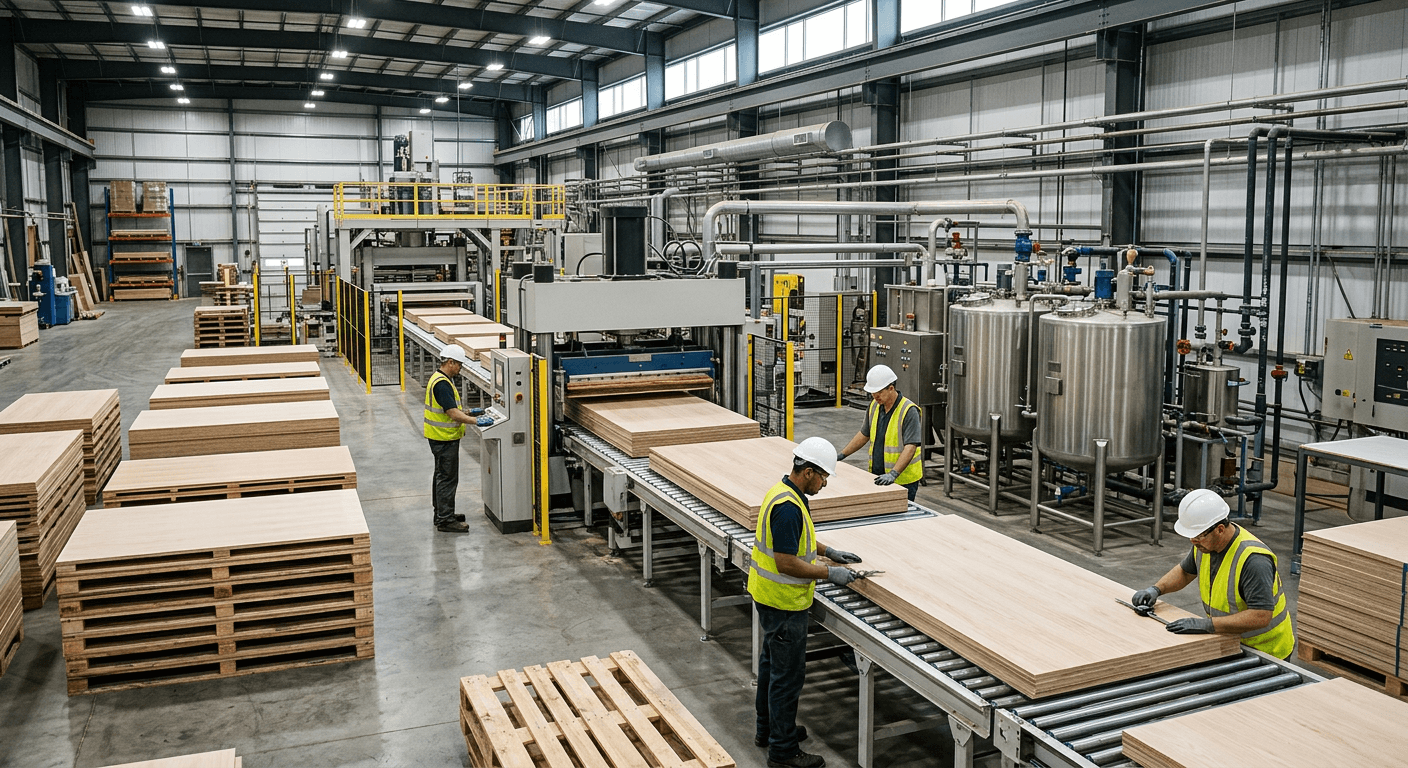
Chemtrade Logistics continues to show supply stability in the sulphuric acid market after reaffirming its 2026 EBITDA guidance. This analysis explores what the company’s position means for North American buyers managing chemical supply risk.
We're committed to your privacy. Tradeasia uses the information you provide to us to contact you about our relevant content, products, and services. For more information, check out our privacy policy.