
Calcium Propionate (E282) CAS: 4075-81-4
Calcium Propionate (E282) CAS: 4075-81-4

Canadian potash tariff uncertainty continues to shape U.S. buyers’ procurement decisions and pricing expectations, even though no formal trade barriers have been imposed. This article explores the lingering risk, its impact on supply chains, and strategic responses adopted by the industry.
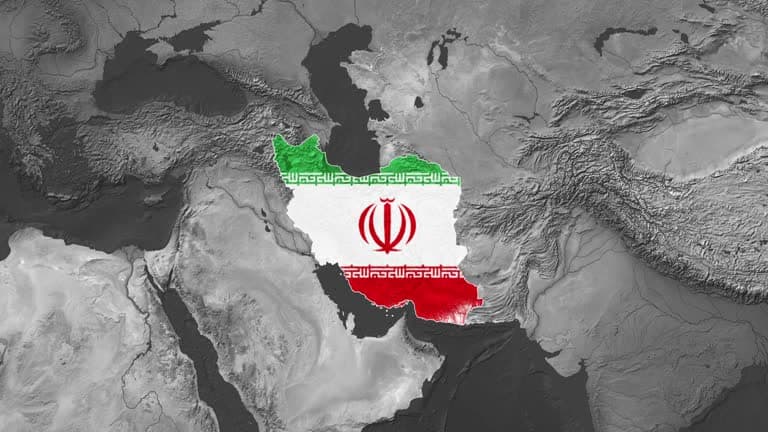
Iran’s proposed Hormuz transit fees could add $500–750 million annually to global chemical trade costs, creating a permanent landed‑cost increase for Gulf‑origin chemicals. This article analyzes the fee structure, its impact on petrochemical freight risk, and strategies for 2026 chemical procurement.

Venator Materials’ looming debt restructuring could reduce European TiO2 output, tightening supply for coatings, plastics, and paper. With Gulf feedstock constraints and high shipping costs, the industry faces higher lead times and costs. Buyers must now assess supplier stability as a core procurement factor.
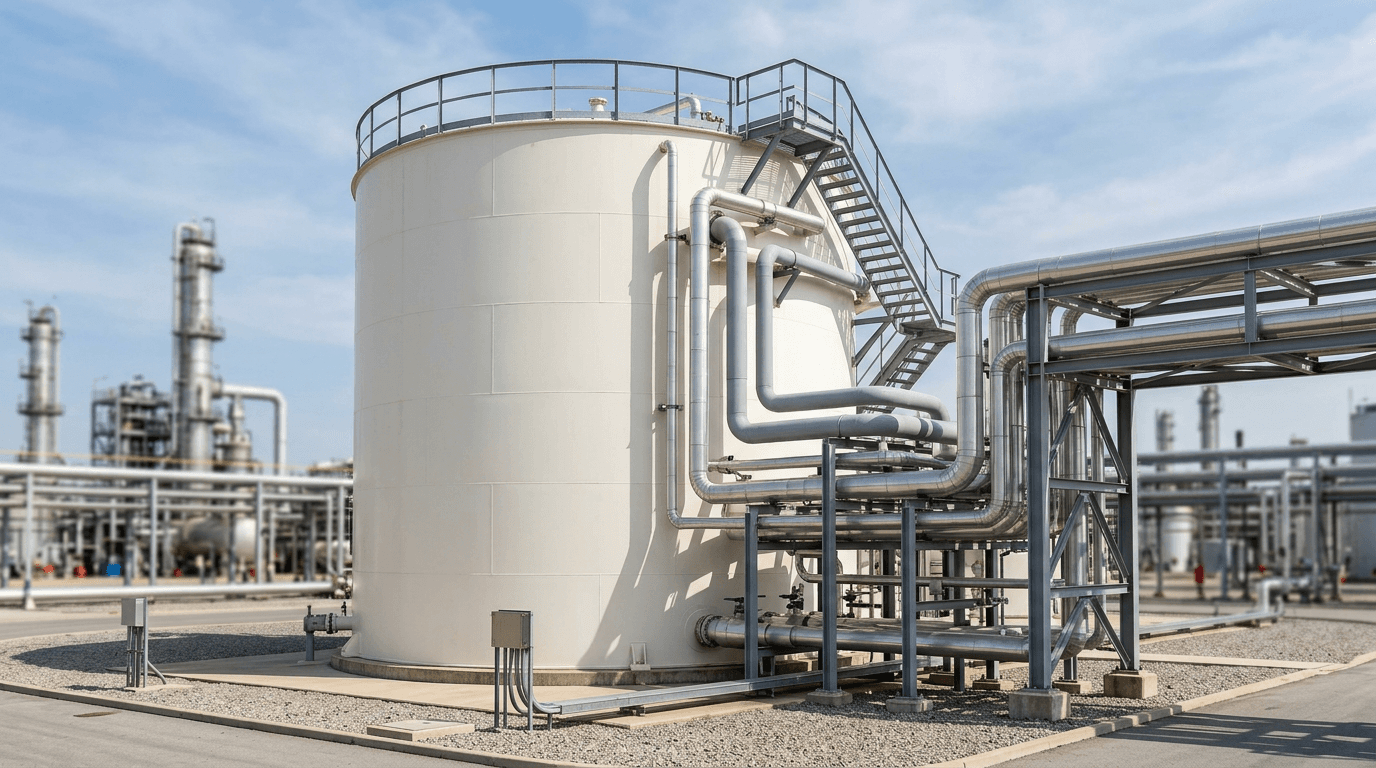
Conflicting statements about Iran negotiations create uncertainty for global chemical procurement teams. The latest Strait of Hormuz supply signals show why buyers should rely on verified logistics data instead of political headlines.
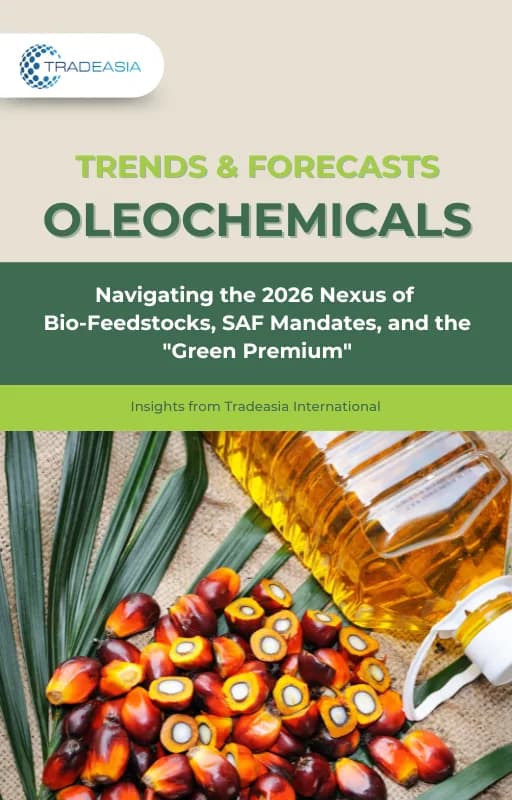
H1 2026 reshaped the global chemical industry through extreme price volatility, shipping disruption, fertilizer market shocks, and major shifts in trade flows. As H2 begins, Gulf supply is recovering — but procurement professionals must prepare for a market where risk remains far from over.
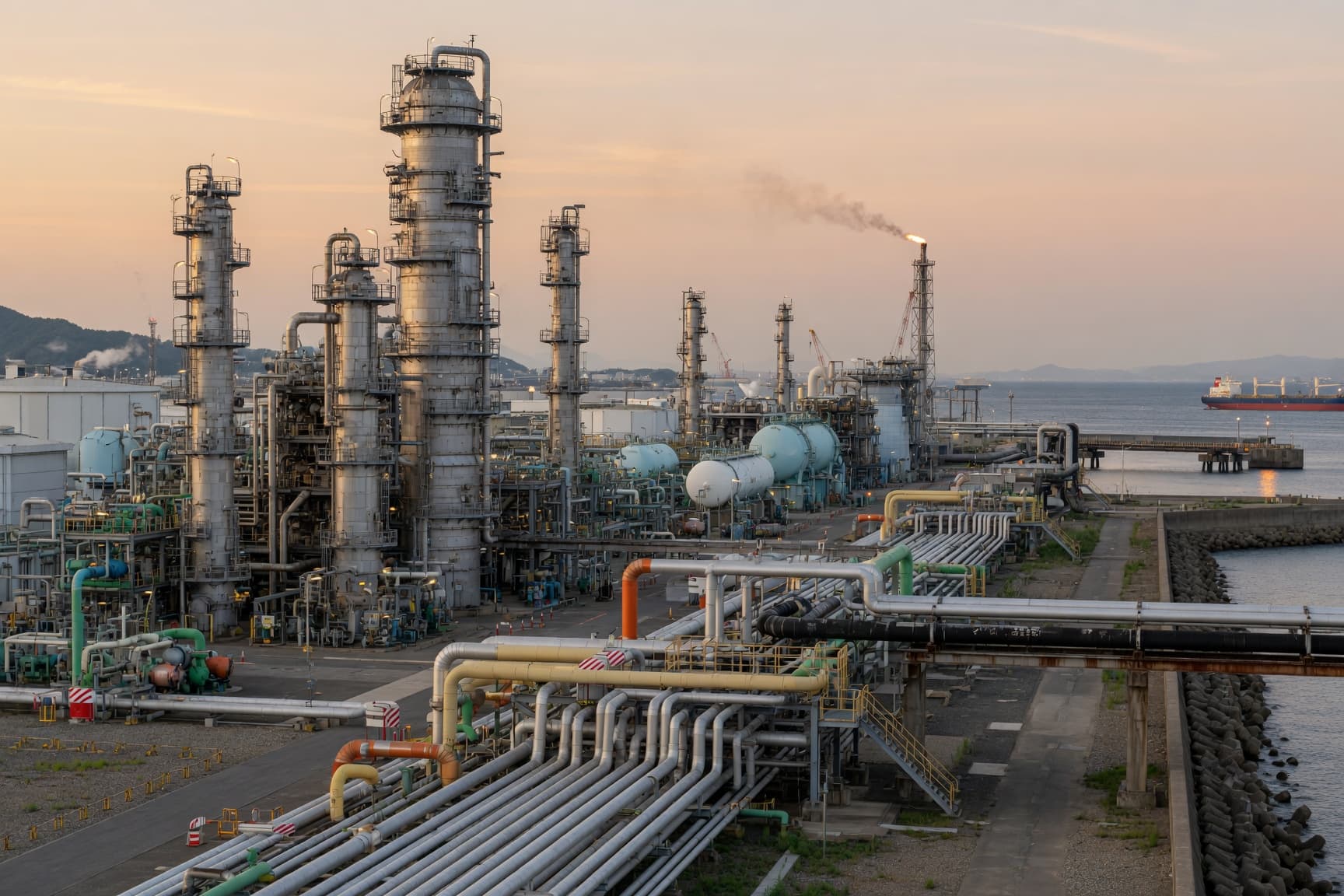
Japan’s petrochemical sector is facing major feedstock pressure as naphtha cracker utilization falls sharply after supply disruptions. Buyers and producers are increasingly evaluating bioethanol-based alternatives and circular economy strategies for future chemical production.
We're committed to your privacy. Tradeasia uses the information you provide to us to contact you about our relevant content, products, and services. For more information, check out our privacy policy.