

Related Insights

The Role of Packaging in Shaping Consumer Purchase Intention
The findings of a recent study by the University of Bonn and Forschungszentrum Jülich, customers value environmental responsibility in packaging made of paper in particular. However, they often have reservations about novel items like paper-based bottles. The study involved a survey of nearly 3,000

How Stearic Acid Can Benefit Both Your Skin and the Environment
We frequently concentrate on the advantages skincare products can offer for our skin while deciding on them. However, have you ever paused to think about how these products affect the environment? It's crucial to look into the role that skincare products and the ingredients they contain play in this

Tall Oil Fatty Acid (TOFA) and Crude Tall Oil (CTO): Forest Chemistry Meeting Green Chemistry
Tall oil chemistry is emerging as one of the most compelling renewable alternatives to petroleum-derived feedstocks. As companies pursue lower-carbon supply chains and stronger sustainability credentials, TOFA and other tall oil derivatives are gaining attention across lubricants, coatings, adhesives and biofuel markets.
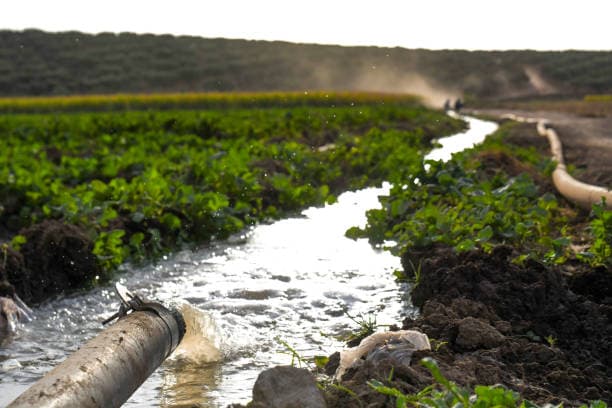
Water‑Scarce Food Production: Why Ingredient Suppliers Are Rethinking Processing
Water scarcity is forcing food ingredient manufacturers to overhaul their processing methods. By investing in water‑efficient technologies, improving resource management, and adopting sustainable production practices, suppliers are turning a challenge into an opportunity for environmental stewardship and long‑term resilience.

Carbon Accounting in Chemical Procurement: The Challenge of Co-Produced Chemicals
Carbon footprint calculations become more complex when multiple commercial products are produced in the same manufacturing process. Understanding allocation methods helps procurement professionals evaluate supplier emissions data more consistently.

PetroChina's Renewable Electricity Cracker and Green Chemistry Procurement: What Buyers Should Watch
PetroChina's renewable electricity-powered olefin project reflects a growing trend toward lower-carbon petrochemical production. Procurement teams focused on Scope 3 emissions should understand how projects like this can influence future sourcing strategies and supplier verification.
Don't miss out on our updates! Subscribe to our newsletter now
We're committed to your privacy. Tradeasia uses the information you provide to us to contact you about our relevant content, products, and services. For more information, check out our privacy policy.