
Potassium Sorbate Food Grade (E202) CAS: 24634-61-5
Potassium Sorbate Food Grade (E202) CAS: 24634-61-5
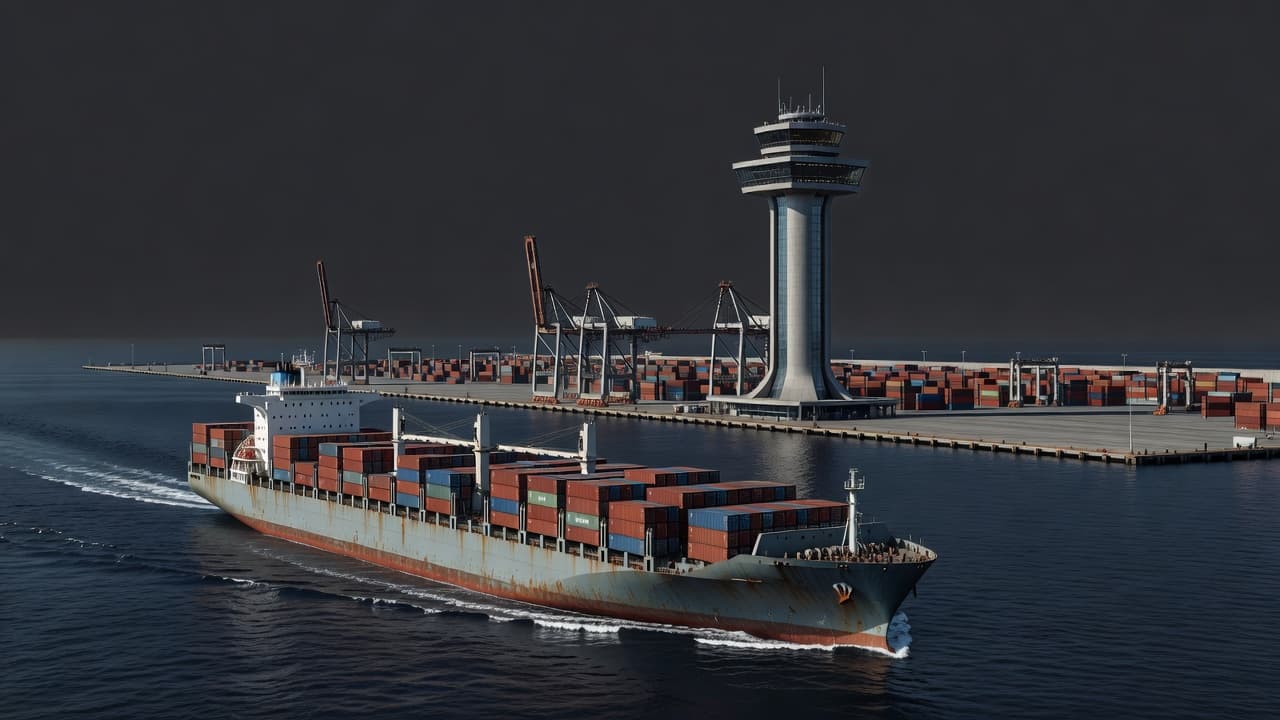
A recent UN warning of an "even wider" conflict has renewed attention on international shipping safety and potential multilateral regulatory action. Chemical procurement and compliance teams should monitor developments that could influence maritime operations, logistics and global trade.
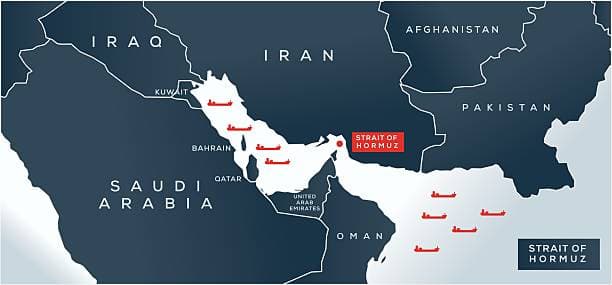
A 20% surcharge on cargo transiting the Strait of Hormuz would instantly hike shipping costs across the globe, reshaping freight rates and forcing shippers to rethink supply‑chain routes. This article breaks down the financial ripple effects on container, tanker, and chemical logistics, and explores strategic responses for businesses navigating this new risk landscape.

The 2026 Hormuz crisis became an unexpected test of Responsible Care principles across the chemical industry. This article explains why supplier behaviour during disruptions can provide procurement teams with valuable insight beyond traditional sustainability audits.
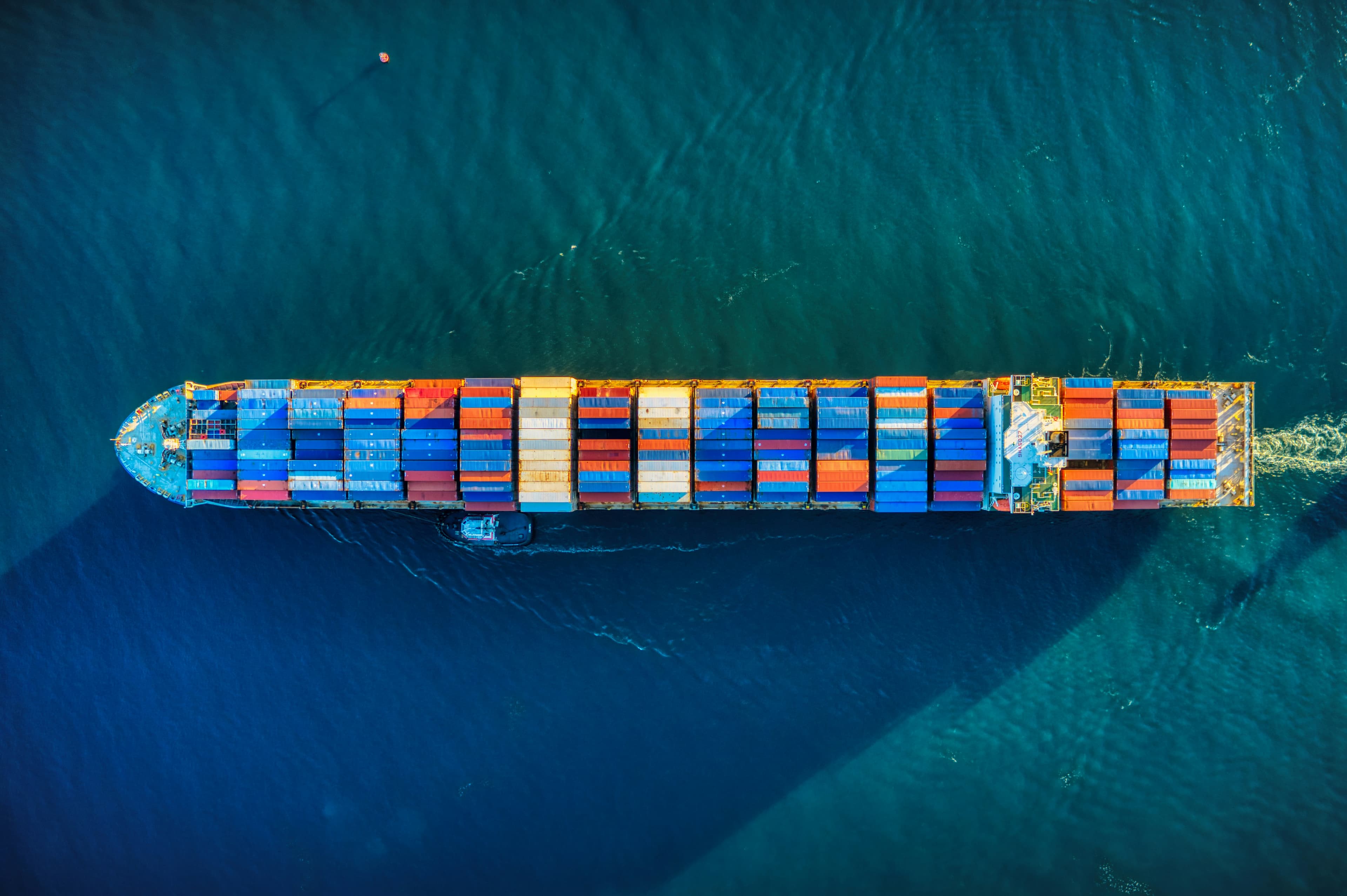
Container freight markets finished H1 2026 well above pre-crisis pricing despite easing fuel costs. This review explains how Cape of Good Hope routing, carrier commitments and war risk surcharges continue to shape chemical logistics costs for H2 2026.
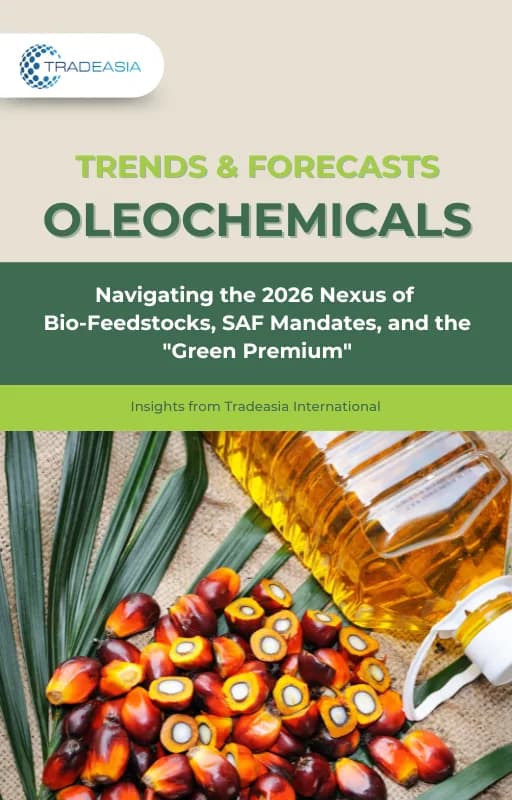
H1 2026 closes with a 15 to 20 percent contraction in peak chemical seaborne trade, elevated insurance costs and permanent routing shifts. This report outlines how logistics structures are resetting across global chemical supply chains and what H2 2026 will look like.

The 2026 Hormuz crisis transformed chemical procurement into an intelligence-driven function. Platforms like ICIS, Kpler, Xeneta, and ChemAnalyst are now essential tools helping procurement teams track prices, shipping disruption, freight rates, and supply risk in real time.
We're committed to your privacy. Tradeasia uses the information you provide to us to contact you about our relevant content, products, and services. For more information, check out our privacy policy.