
Related Insights
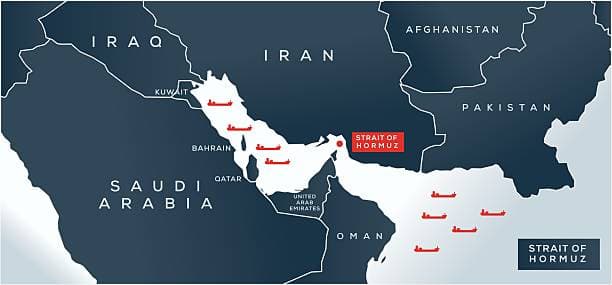
Reinstated Hormuz Blockade: 20% Cargo Fee Impact on Global Shipping Costs
A 20% surcharge on cargo transiting the Strait of Hormuz would instantly hike shipping costs across the globe, reshaping freight rates and forcing shippers to rethink supply‑chain routes. This article breaks down the financial ripple effects on container, tanker, and chemical logistics, and explores strategic responses for businesses navigating this new risk landscape.
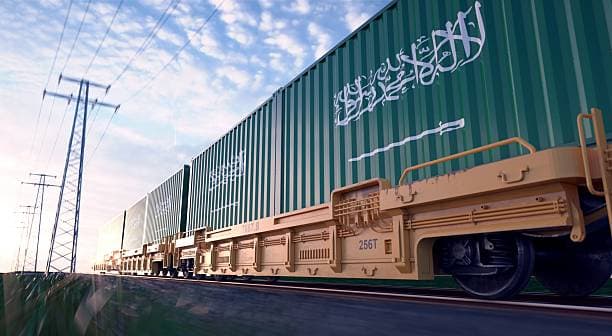
SABIC’s Q3 Supply Calendar: Saudi Export Strategy Sets Global Chemical Prices
SABIC’s Q3 supply calendar has emerged as a key indicator for polymer and chemical flows worldwide, with Ras Tanura’s logistics network playing a pivotal role. The company’s allocation decisions influence pricing, inventory levels, and competitive dynamics across major export markets.

The 22,500 Mariners Stranded in the Gulf: What the Hormuz Human Cost Means for Chemical Procurement
More than 22,500 mariners remain stuck on over 1,550 vessels in the Persian Gulf, a human crisis behind every delayed chemical shipment. For procurement teams sourcing from Gulf producers, this is no longer a distant headline but a direct line item in supply chain risk.

Hospital Pharmacy Procurement: H1 Closing Review and H2 Restocking Priorities
Hospital pharmacies are entering H2 2026 with improving supply conditions after months of inventory pressure. Q3 is expected to become the largest pharmaceutical chemical restocking period since before the Hormuz crisis.

China Chemical Watch: Gulf Competition Returns — Beijing's Industry Policy Response
China became the world's swing supplier during the Hormuz crisis, filling global supply gaps across commodity and specialty chemicals. As Gulf exports recover in H2 2026, Beijing is strengthening domestic chemical manufacturing while international buyers shift toward balanced multi-origin sourcing strategies.
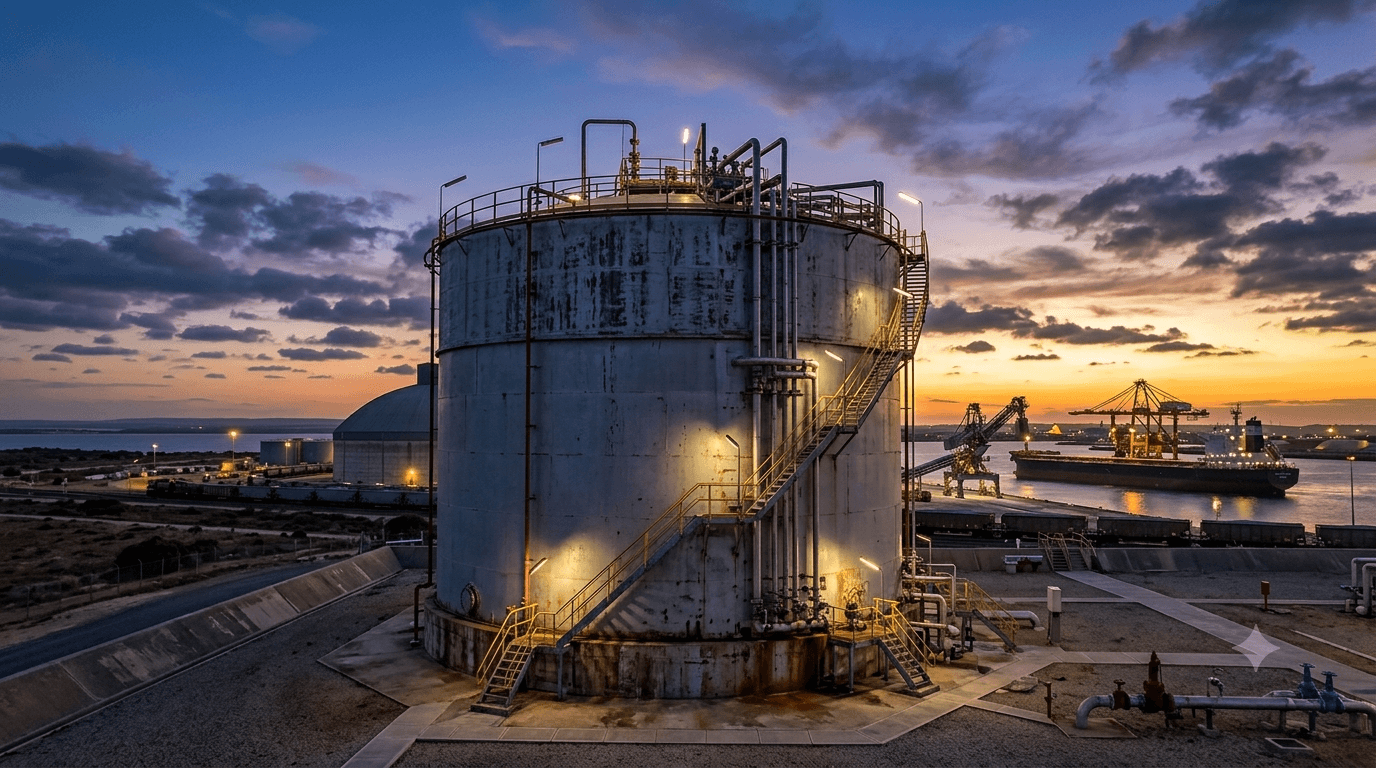
From Crisis to Strategy: How the 2026 Hormuz Shock Should Permanently Change Chemical Procurement
The 2026 Hormuz shock exposed critical procurement risks, reshaping sourcing, inventory, and supplier diversification practices for chemical buyers. Learn how the crisis forced a strategic pivot and what lasting changes are required to safeguard supply chains.
Don't miss out on our updates! Subscribe to our newsletter now
We're committed to your privacy. Tradeasia uses the information you provide to us to contact you about our relevant content, products, and services. For more information, check out our privacy policy.