
Caustic Soda Pearls - China CAS: 1310-73-2
Caustic Soda Pearls - China CAS: 1310-73-2

Prolonged geopolitical disruption is increasing the likelihood of force majeure declarations across energy and chemical supply chains. Procurement and legal teams should review contracts, supplier obligations and contingency plans before disruptions escalate.
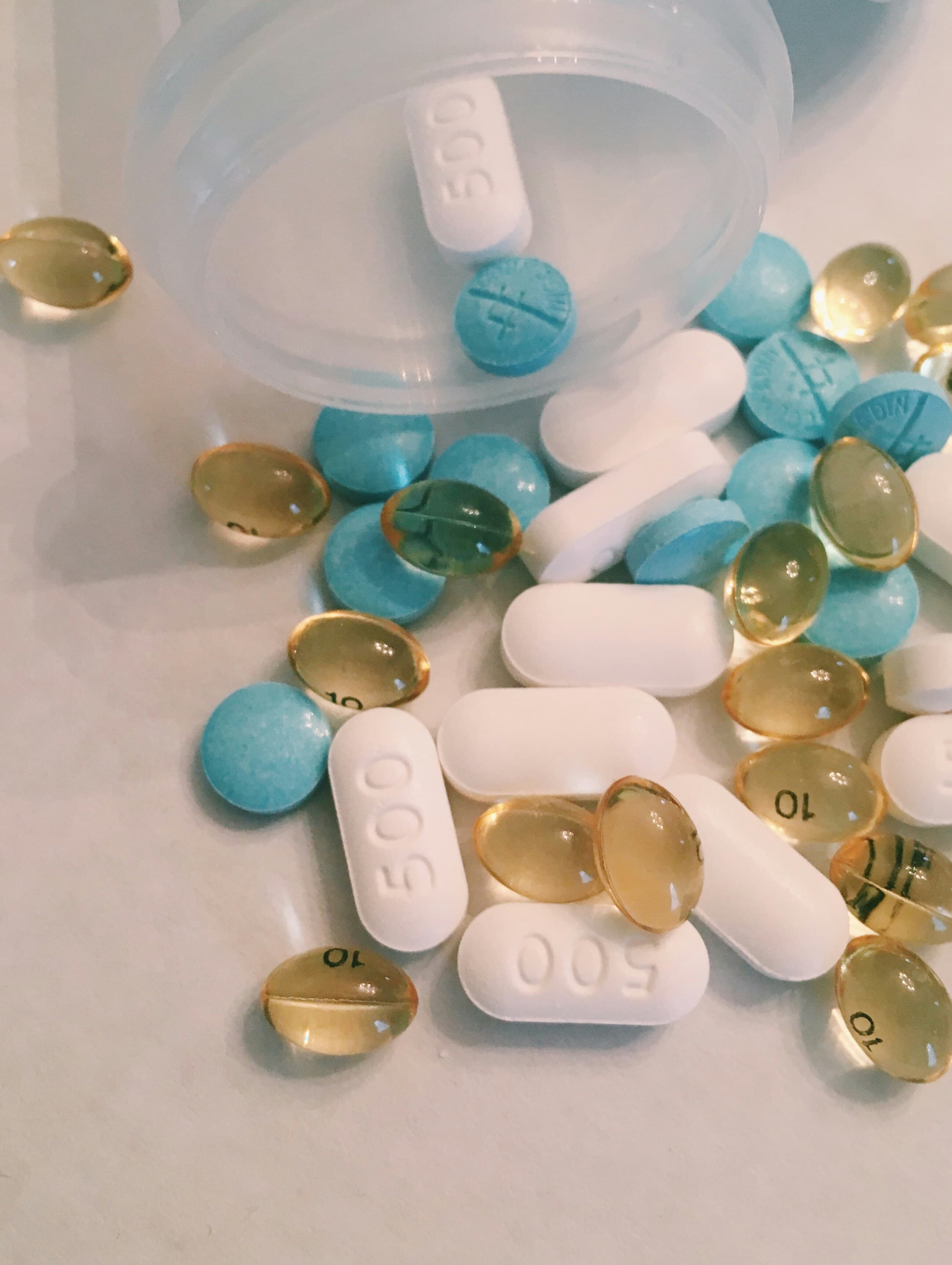
The first half of 2026 exposed major vulnerabilities in pharmaceutical supply chains. API concentration, shipping disruptions, and logistics risks are reshaping procurement strategies for H2 2026 and beyond.
Pakistan's chemical market is gradually stabilizing as Gulf exports recover and freight costs improve. While landed prices for key chemicals are easing, buyers must continue managing foreign exchange constraints and secure payment structures during the July–September procurement window.
China became the world's swing supplier during the Hormuz crisis, filling global supply gaps across commodity and specialty chemicals. As Gulf exports recover in H2 2026, Beijing is strengthening domestic chemical manufacturing while international buyers shift toward balanced multi-origin sourcing strategies.

The 2026 Hormuz crisis transformed chemical procurement into an intelligence-driven function. Platforms like ICIS, Kpler, Xeneta, and ChemAnalyst are now essential tools helping procurement teams track prices, shipping disruption, freight rates, and supply risk in real time.

The upcoming ECHA SVHC update under EU REACH is expected between July and August 2026, with potential additions affecting flame retardants, phthalates and organotin compounds. Chemical buyers should prepare supplier declarations and compliance updates before the July 31 deadline window closes.
We're committed to your privacy. Tradeasia uses the information you provide to us to contact you about our relevant content, products, and services. For more information, check out our privacy policy.