
Related Insights
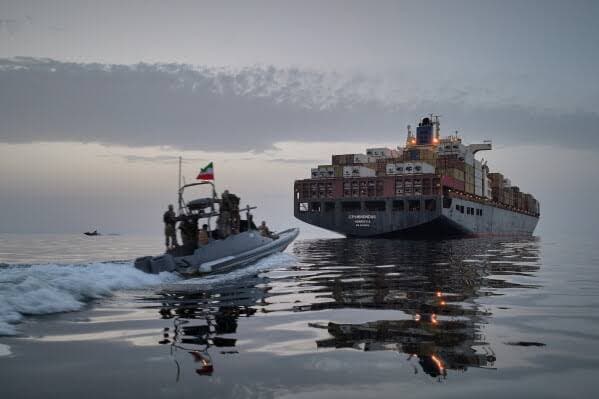
Kpler's 34: What Six Times More Vessel Crossings in One Day Actually Means for Chemical Supply
Kpler confirmed 34 vessel crossings through Hormuz on June 30, a sixfold increase over June’s average daily traffic. For chemical procurement professionals, the number signals the first meaningful Gulf supply recovery in months, but sustained movement over the next 48 hours will determine whether true normalization has begun.

Fertilizer Intelligence Summary June 2026: H1 Volatility, H2 Outlook
The June 2026 fertilizer intelligence report covers the volatile first half, examines Gulf supply recovery, and projects urea and DAP outlooks for the second half. It highlights key price drivers, inventory trends, and policy impacts shaping the 2026 market.
Why Brent Is $72.60 Despite Active Drone Strikes: What the June 29, 2026 Oil Market Paradox Means for Chemical Buyers
Brent crude has dropped to $72.60 despite ongoing military escalation across the Gulf. This unusual market reaction signals that supply recovery currently outweighs geopolitical risk, creating important implications for petrochemical procurement and chemical pricing in the months ahead.
Food Ingredient Freight Reset: Brent Below Pre-War Levels Opens the H2 2026 Cost Correction Window
Brent crude has returned to pre-war levels, creating a new opportunity for food ingredient buyers to reduce landed costs. July freight adjustments give procurement teams a timely chance to renegotiate contracts across major sourcing regions including China, Southeast Asia and India.

UN Fertilizer Food Security Update June 2026: Supply Risks Moderate
The latest UN food security assessment shows improving fertilizer supply but persistent risks for import‑dependent agricultural economies. While global fertilizer availability has steadied, price volatility and supply chain disruptions continue to threaten food security in vulnerable regions.
Trade Policy Week: India Duty Deadline, EU Anti-Dumping Reviews, and What Happens July 1
The week spanning June 30 to July 7 could become one of the most important trade policy periods of 2026 for chemical buyers, with simultaneous developments in India, the European Union and the United States reshaping procurement decisions.
Don't miss out on our updates! Subscribe to our newsletter now
We're committed to your privacy. Tradeasia uses the information you provide to us to contact you about our relevant content, products, and services. For more information, check out our privacy policy.