




The EPA’s updated PFAS guidance reshapes how farmers use biosolids and fertilizers, influencing crop inputs and the broader food ingredient supply chain. Learn what it means for compliance, sourcing, and consumer safety.

Electronic chemicals and specialty gases are now seen as defense‑critical, as a July 2026 CRS report highlighted the risk of Hormuz disruptions to sulfur and rare‑gas supplies. Congress is moving to classify these materials, unlocking federal incentives and reserve mechanisms. Procurement managers must map their portfolios to align with the new security‑of‑supply framework.

Despite volatile monoethanolamine and ethylene oxide markets, taurine supply remains resilient. Chinese producers are offsetting feedstock pressures, offering stability for H2 2026. Supplement makers must reassess sourcing strategies to secure this dependable supply.
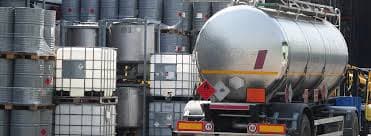
Japan’s steam cracker operators are finalising July operating rates that will shape Q3 supply and pricing. With Brent at $72.60, a positive naphtha crack spread signals renewed demand for ethylene derivatives, polystyrene and benzene chain chemicals. Buyers should act this week to secure volumes.
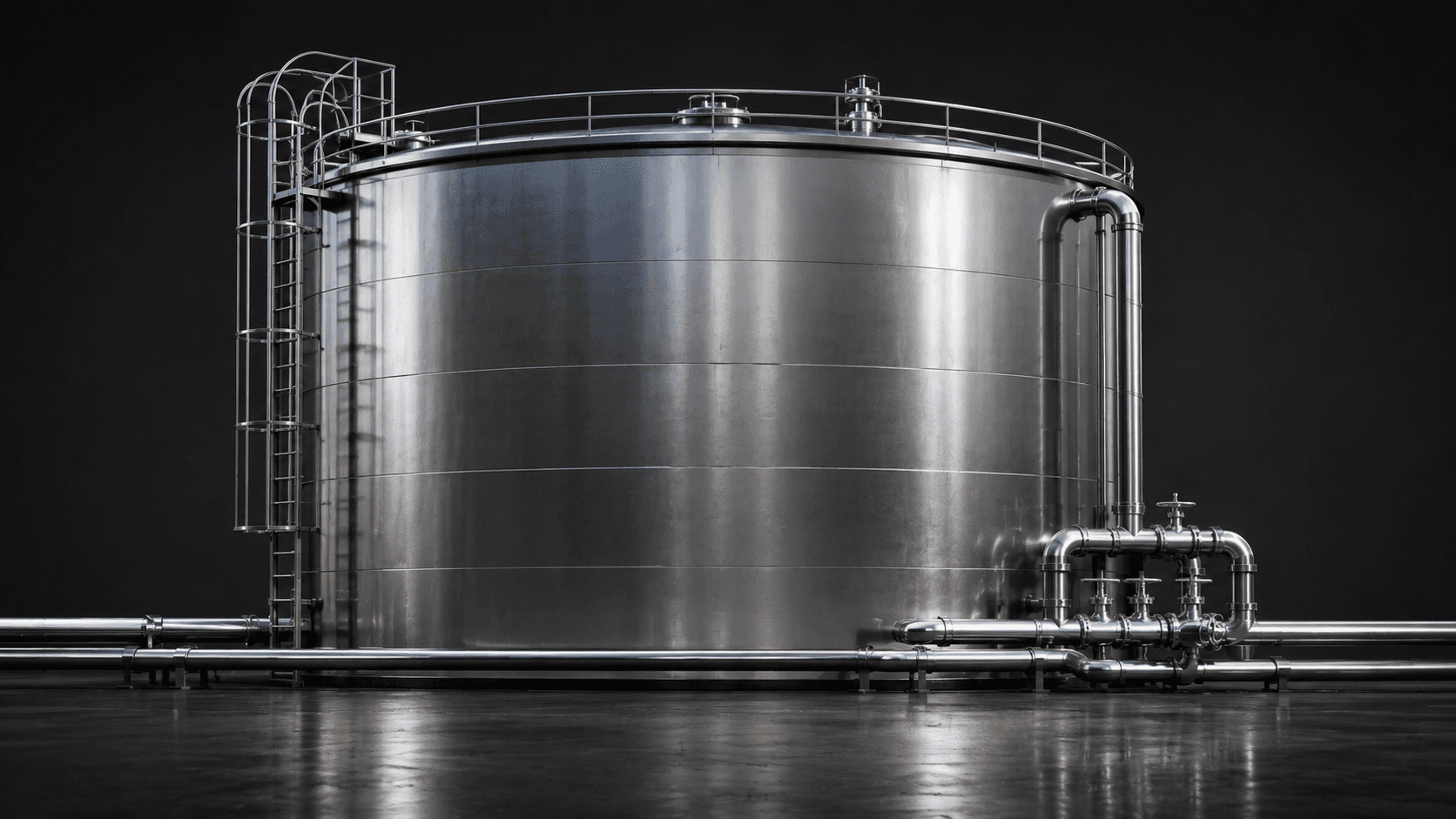
India's temporary customs duty exemption on Monoethylene Glycol expires at midnight, creating a major turning point for polyester manufacturers and chemical buyers. As Gulf supply improves and production costs ease, procurement teams must balance lower international prices against higher landed costs before finalizing Q3 purchasing strategies.

EU’s REACH Omnibus introduces tighter rules for modified starches, impacting esterified and etherified varieties used in food. Manufacturers must audit suppliers, especially tapioca and corn starch providers, to ensure compliance before Q3 2026. Stay ahead with our compliance guide.
We're committed to your privacy. Tradeasia uses the information you provide to us to contact you about our relevant content, products, and services. For more information, check out our privacy policy.