
Related Insights
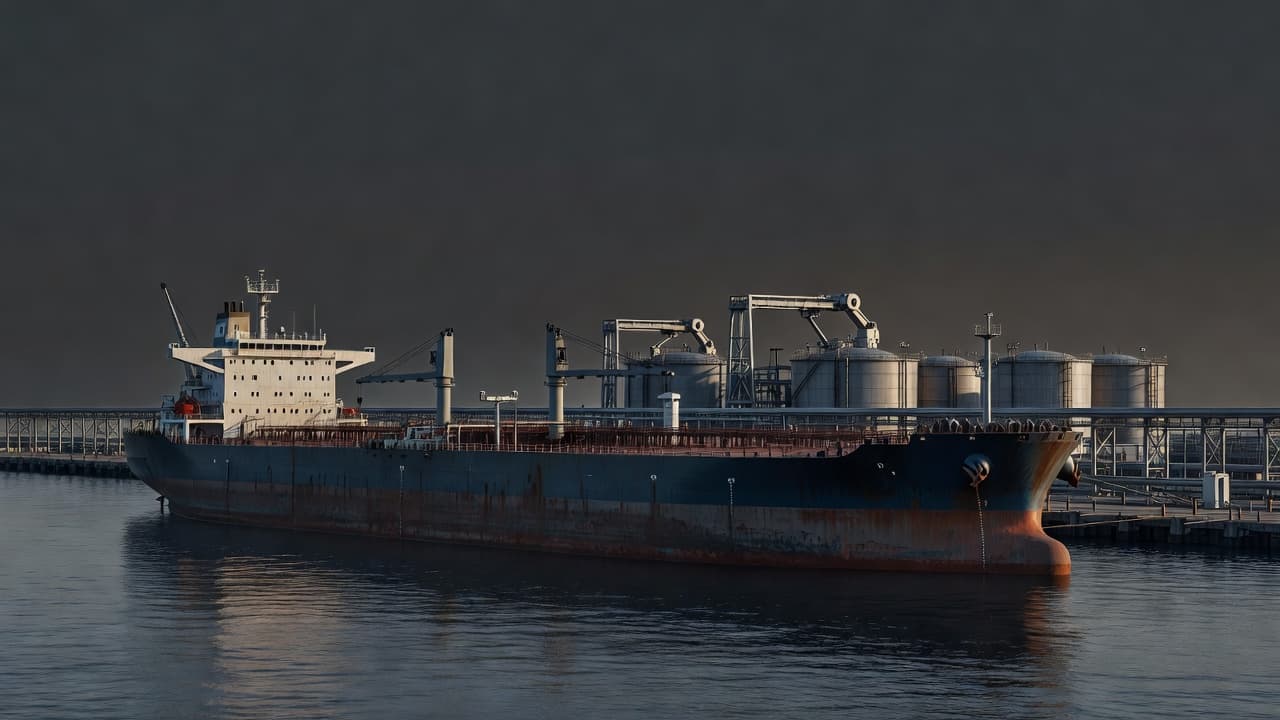
Sanctions Waiver Reversal: What the End of Iranian Oil Sales Authorization Means for Chemical Trade
The termination of Treasury's authorization for Iranian oil sales and new transaction approvals marks an important shift in international trade compliance. Chemical companies should review procurement, logistics and financial exposure to ensure continued sanctions compliance.
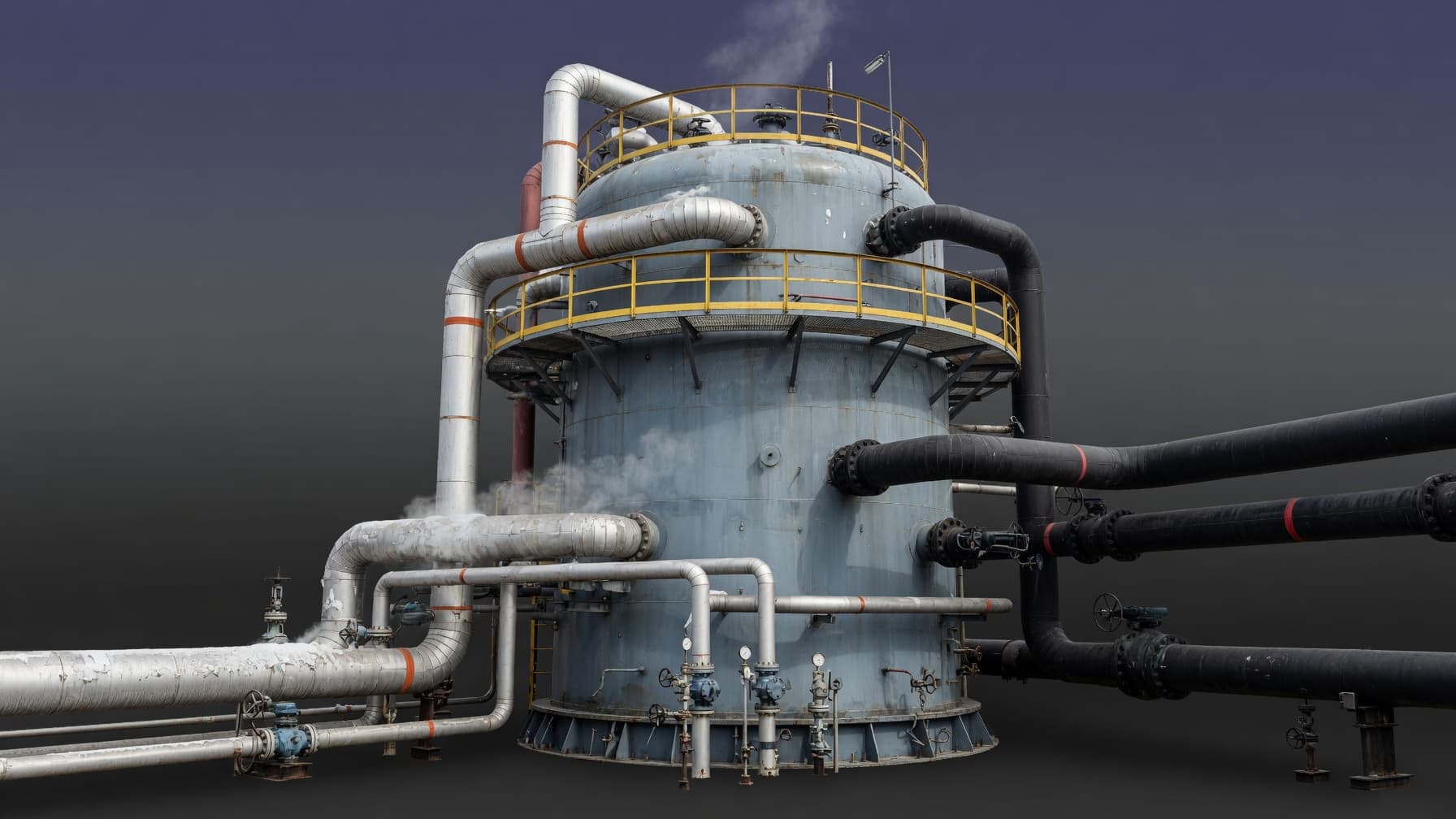
Germany's Chemical Capacity Utilization Stuck at 75.1%: What VCI's Unprofitable Threshold Means for Buyers
German chemical capacity utilization improved slightly to 75.1% but remains below the level needed for profitable production. With VCI expecting output to fall again across 2026, procurement teams should prepare for restructuring, reduced local availability and greater import dependence.

Singapore's PCS Force Majeure: Why the Chemical Producer Released All Customers and What Buyers Should Do Next
Singapore's PCS force majeure declaration reshaped supply planning for petrochemical buyers across Asia. As Middle East shipping conditions improve, procurement teams now face important decisions on contract renegotiation, delivery schedules and pricing.

Dow CEO Karen Carter's First Day: What the Leadership Transition Means for Pharmaceutical Chemical Buyers
Dow's new CEO, Karen Carter, begins her leadership amid portfolio optimization and cost reductions. Pharmaceutical buyers using USP-grade propylene glycol, PEG, and pharmaceutical excipients should monitor upcoming strategic announcements for potential supplier implications.

Top Polystyrene Producers Globally: How the Channahon Closure Is Reshaping the North American PS Market
he global polystyrene market remains oversupplied, yet North American buyers face a changing supply picture after the closure of INEOS Styrolution's Channahon facility. This analysis examines leading polystyrene producers, trade flows, pricing pressures and what procurement teams should expect through 2027.

Ethylene and Propylene Markets Face Multi-Year Supply Gap After Iranian Petrochemical Capacity Losses
The destruction of a large portion of Iran's petrochemical infrastructure has transformed a temporary logistics disruption into a long-term supply challenge. Ethylene and propylene buyers across global markets now face structural sourcing adjustments as Iranian production recovery could take well over a year.
Don't miss out on our updates! Subscribe to our newsletter now
We're committed to your privacy. Tradeasia uses the information you provide to us to contact you about our relevant content, products, and services. For more information, check out our privacy policy.