
Mono Propylene Glycol (E1520) CAS: 57-55-6
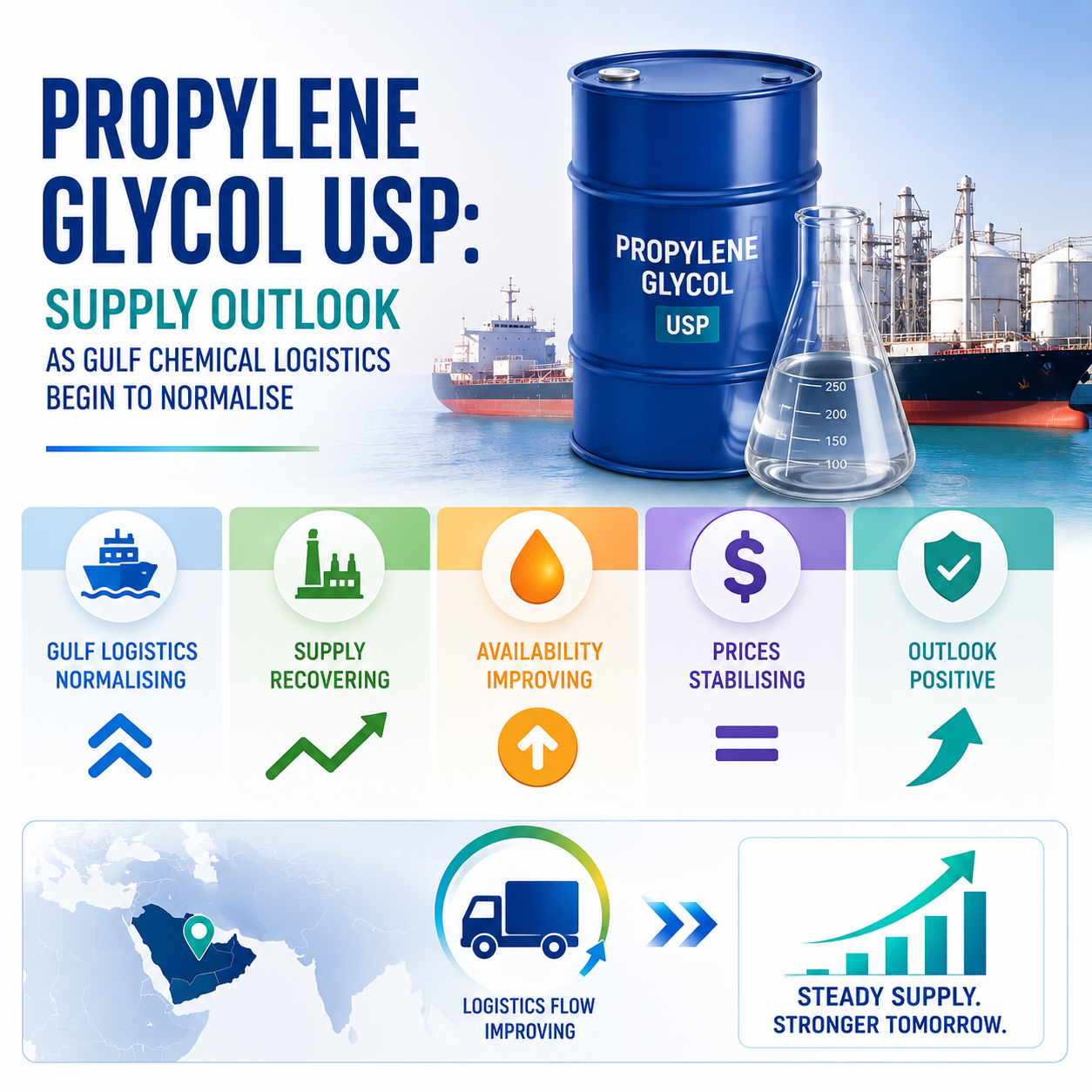
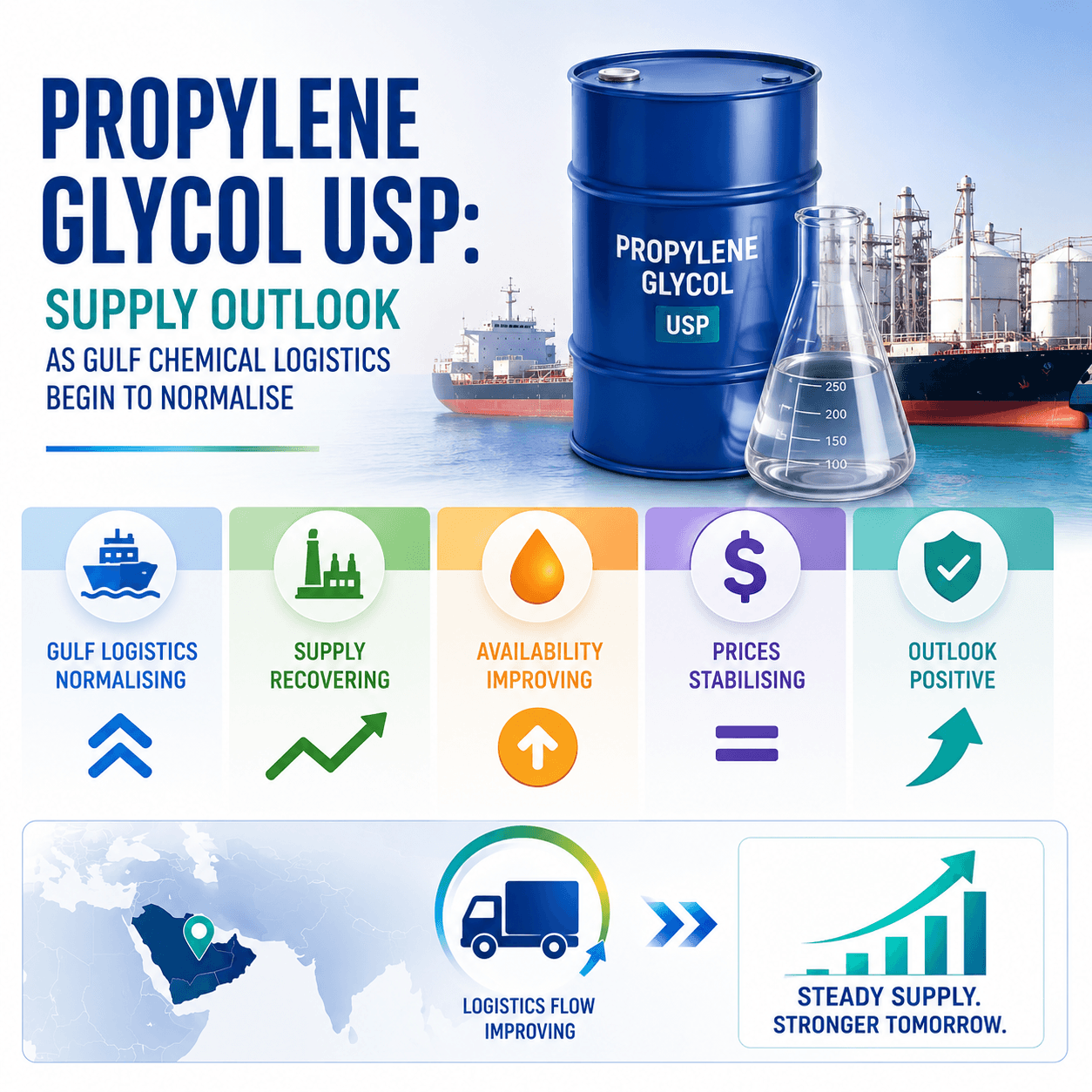
Mono Propylene Glycol (E1520) CAS: 57-55-6
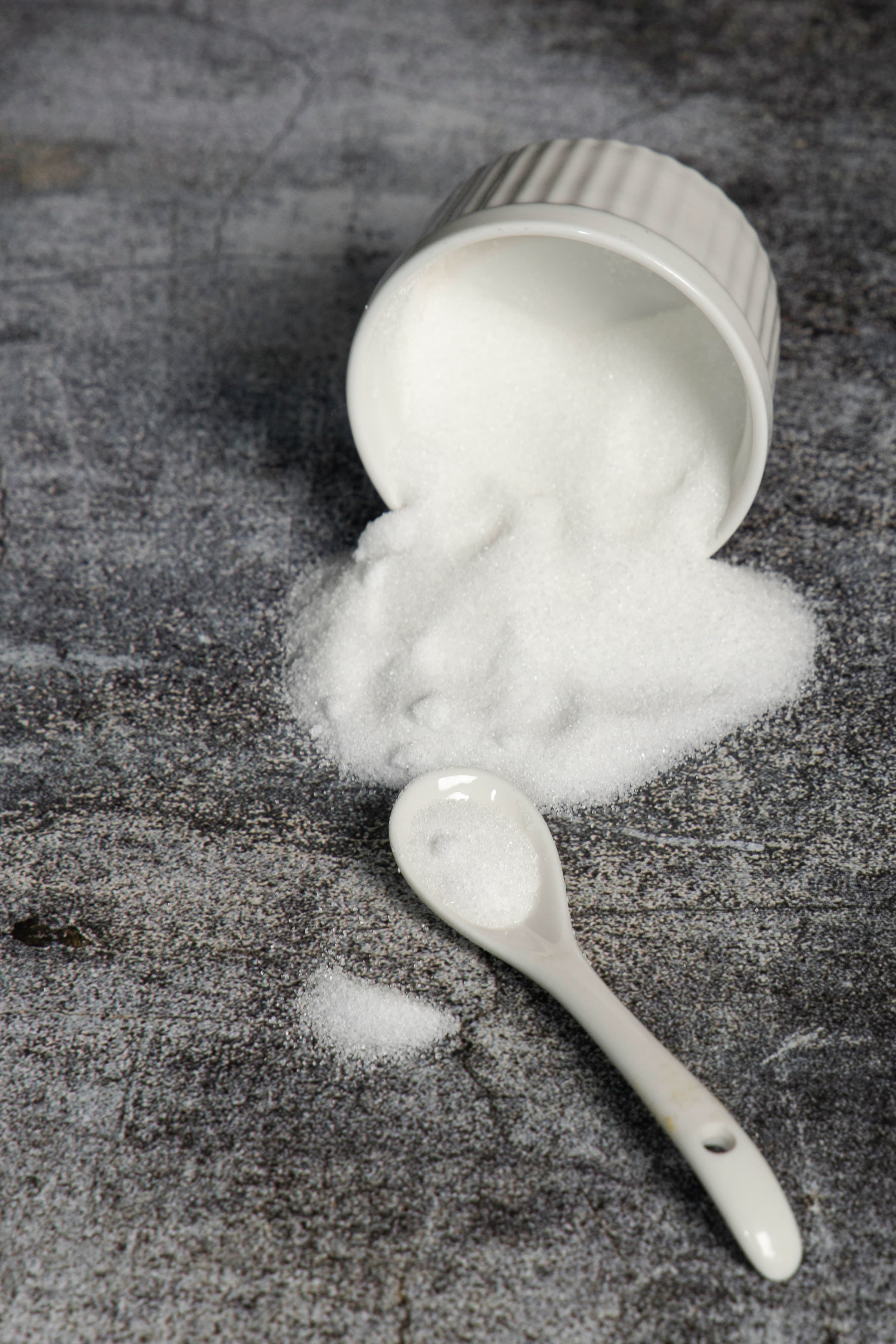
Weather-related disruptions are highlighting the importance of resilient logistics networks for food-grade chemical distribution.
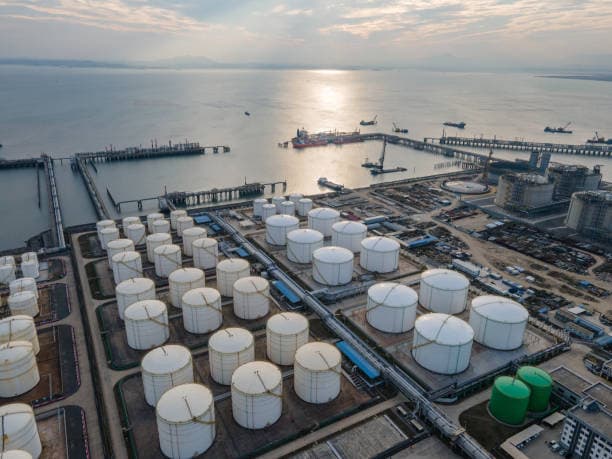
While EU chemical output is declining, France’s industry is expanding, reshaping transport demand and procurement strategies. This article examines the implications for road tanker use, rail freight, and supply‑chain planning across the continent.
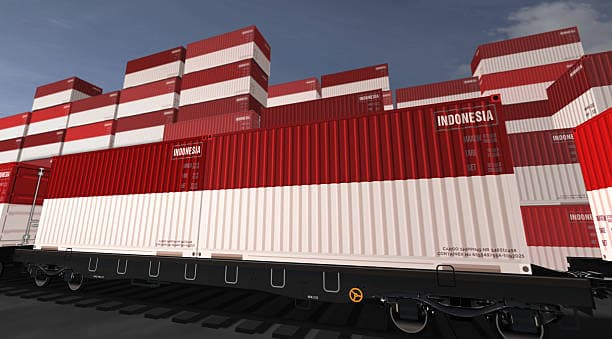
Indonesia’s booming HPAL nickel refining pushes sulfuric acid demand to new highs, exposing the sector to Gulf sulfur supply risks. With convoys resuming, refiners must act swiftly to secure long‑term contracts before premiums rise again. The next 18 months will define margins for battery‑grade nickel producers.

After the Hormuz shutdown, chemical buyers face a mix of temporary price spikes and lasting market shifts. This article applies the Kiel Institute framework to isolate recoverable costs from permanent baseline changes, providing a roadmap for data‑driven contract renegotiations. Implementing these insights helps teams win back margins as conditions normalize.

The disruption of Gulf MEG exports has transformed procurement strategies across Asia's polyester industry. As shipments begin moving again, buyers must understand transit timelines, supply recovery patterns and pricing risks before inventories normalize.
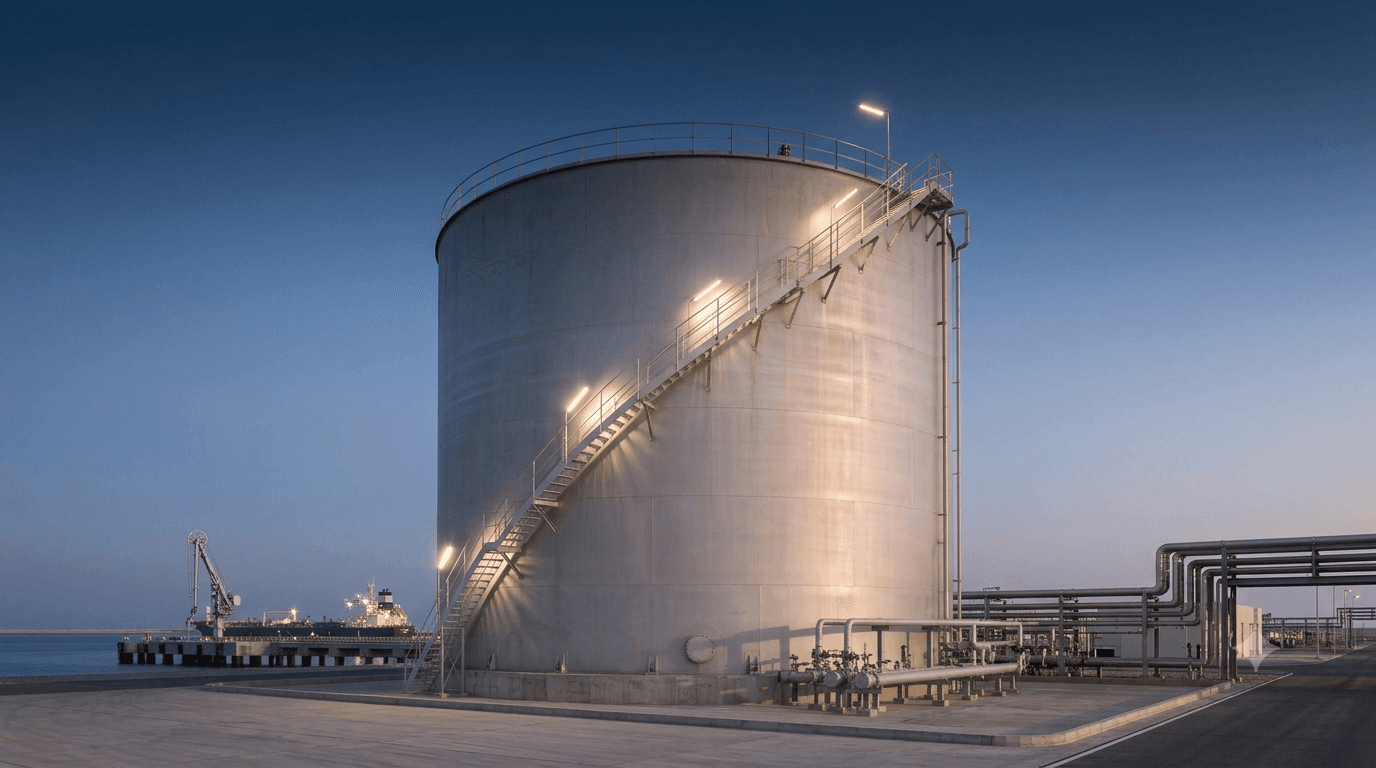
Thailand's emergency fuel export ban highlighted how government intervention can rapidly disrupt downstream chemical supply chains. Procurement teams that rely on Thai petrochemical exports can use this case to strengthen sourcing strategies and reduce exposure to sudden market shocks.
We're committed to your privacy. Tradeasia uses the information you provide to us to contact you about our relevant content, products, and services. For more information, check out our privacy policy.