
Methanol CAS: 67-56-1

Methanol CAS: 67-56-1
Most major chemical companies reported weaker sales and earnings during 2025, with DuPont standing out as a notable exception. Procurement teams should understand what these financial results reveal about demand, pricing and the future direction of the global chemical industry.
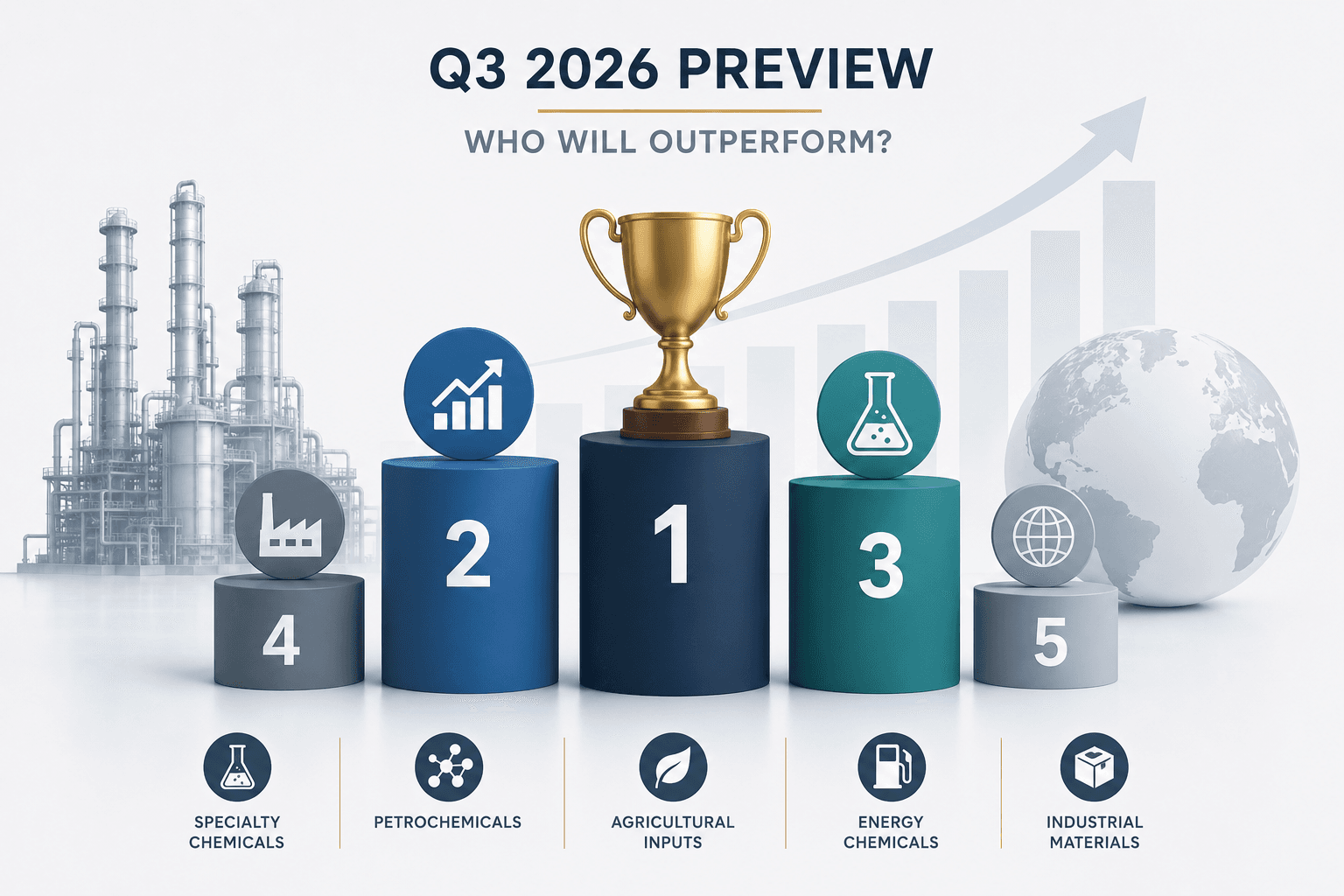
Q3 2026 marks the transition from crisis survival to competitive recovery in the chemical industry. Industrial gas leaders, Nutrien, and Indian specialty chemical producers are positioned to outperform, while Gulf producers and European commodity chemical companies face a more difficult quarter ahead.
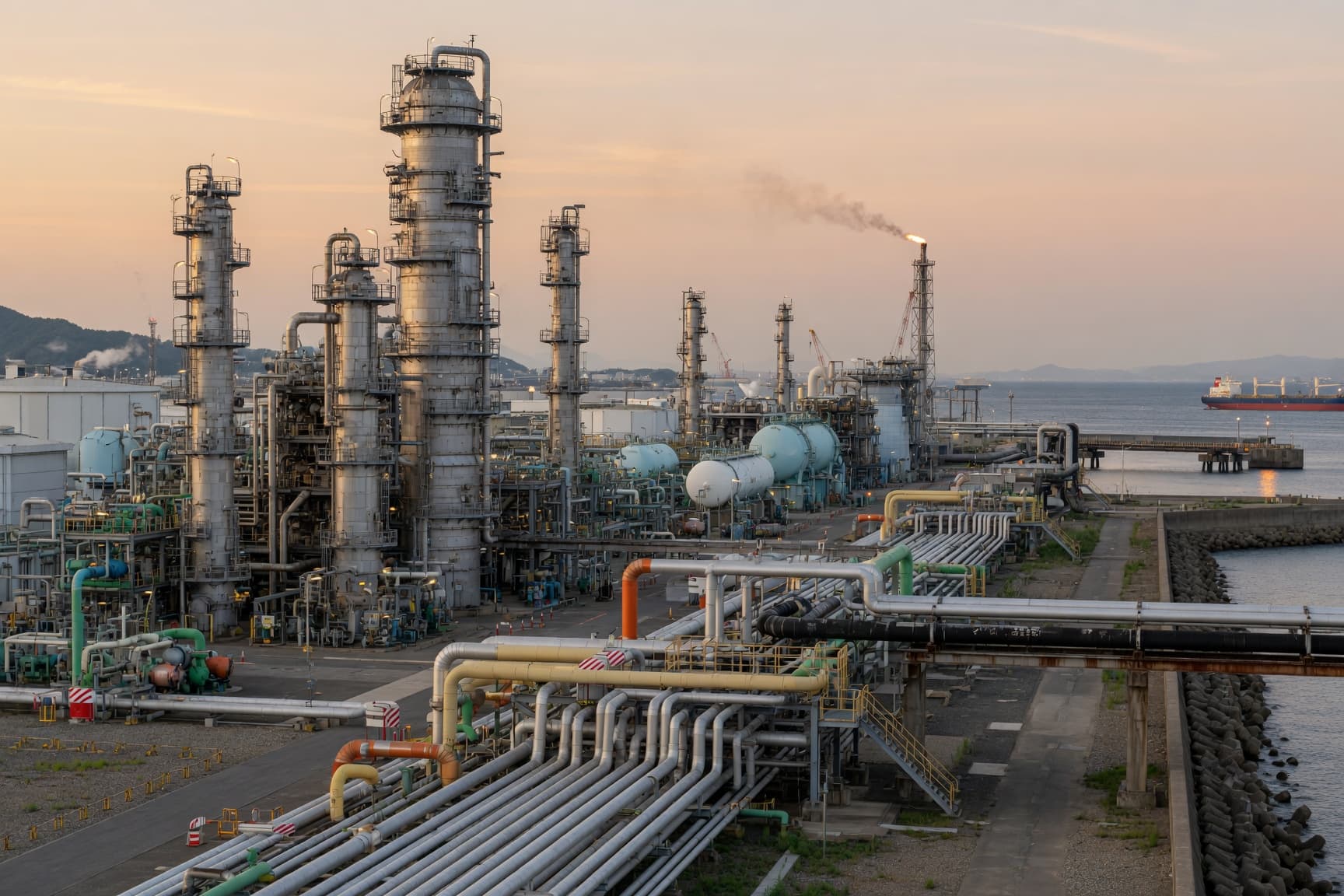
Japan’s petrochemical sector is facing major feedstock pressure as naphtha cracker utilization falls sharply after supply disruptions. Buyers and producers are increasingly evaluating bioethanol-based alternatives and circular economy strategies for future chemical production.
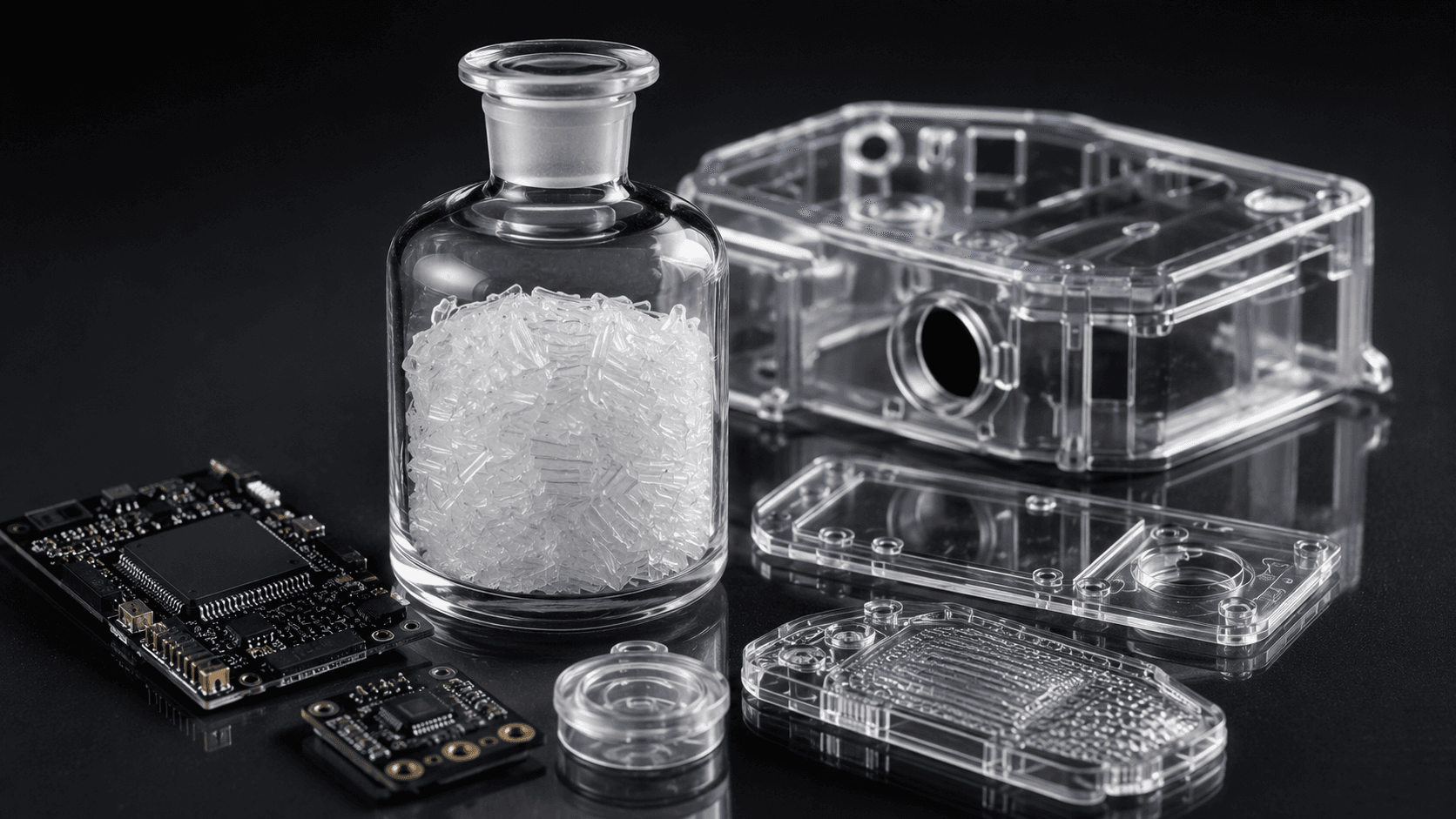
Few chemicals generate as much debate as bisphenol A. While regulatory scrutiny continues to increase, BPA remains a critical building block for polycarbonate plastics and epoxy resins that power modern electronics, infrastructure and industrial manufacturing.
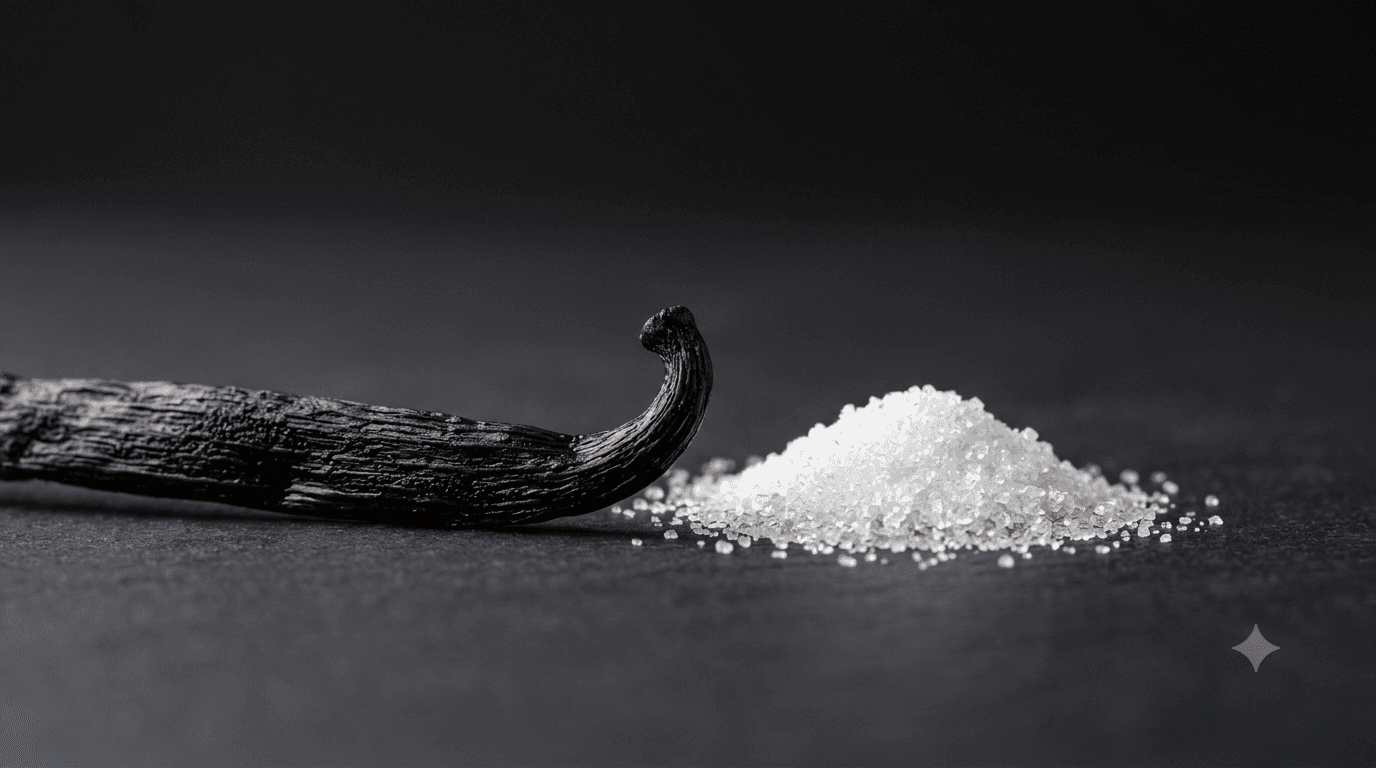
The vanillin market in 2026 sits at a turning point as food manufacturers balance cost pressures against clean label demands. While synthetic vanillin continues to dominate global supply, natural alternatives derived from lignin and fermentation are gaining traction among premium food brands and procurement teams.
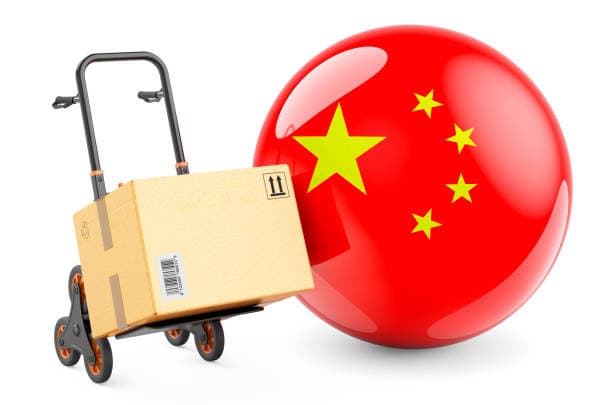
By 2026, China will dominate 80% of the global ascorbic acid market, reshaping pharmaceutical, food, and cosmetic supply chains. This shift brings pricing volatility, geopolitical risks, and new sourcing strategies for buyers worldwide.
We're committed to your privacy. Tradeasia uses the information you provide to us to contact you about our relevant content, products, and services. For more information, check out our privacy policy.