
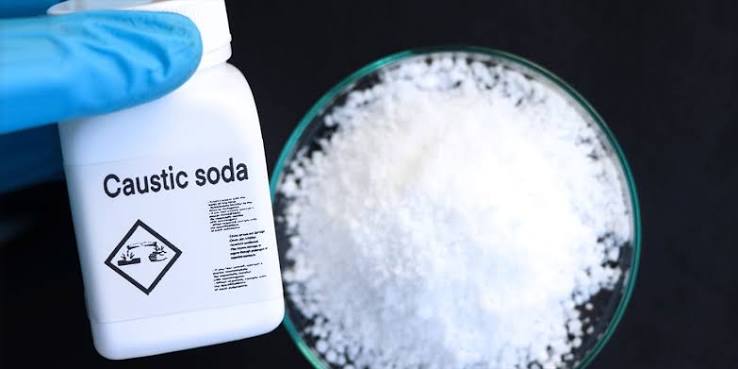
Caustic Soda Flakes CAS: 1310-73-2
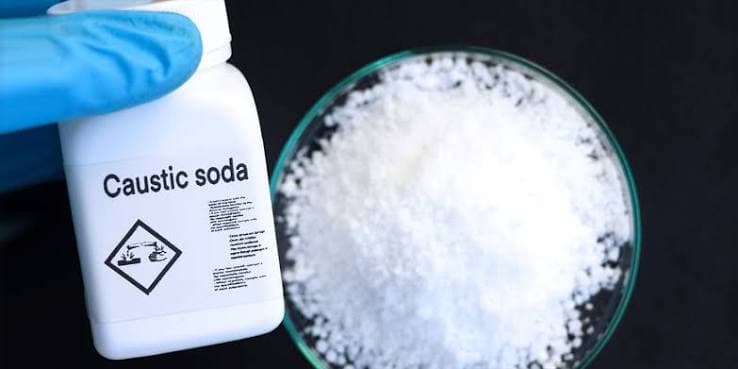
Caustic Soda Flakes CAS: 1310-73-2

The EIA's July outlook was built around assumptions that changed within weeks after the ceasefire collapsed. Chemical procurement and compliance teams should adopt scenario-based planning to strengthen supply chain resilience in an increasingly unpredictable market.

Qatar’s strategic position as a chemical exporter, coupled with its control over frozen Iranian funds and a robust LNG supply chain, solidifies its role in Gulf fertilizer markets. The nation’s diplomatic clout ensures stable ammonia production and market confidence across the region.

Venator Materials’ looming debt restructuring could reduce European TiO2 output, tightening supply for coatings, plastics, and paper. With Gulf feedstock constraints and high shipping costs, the industry faces higher lead times and costs. Buyers must now assess supplier stability as a core procurement factor.

Damage at Qatar's Ras Laffan Industrial City could reshape the pharmaceutical helium market for years. Procurement teams should prepare for tighter supply, higher sourcing risks and changing global trade patterns.

Golden Triangle Polymers represents one of the largest petrochemical investments entering operation in 2026. This analysis explores how the project could reshape HDPE and LLDPE supply, influence global trade flows and why procurement teams are closely watching market developments.
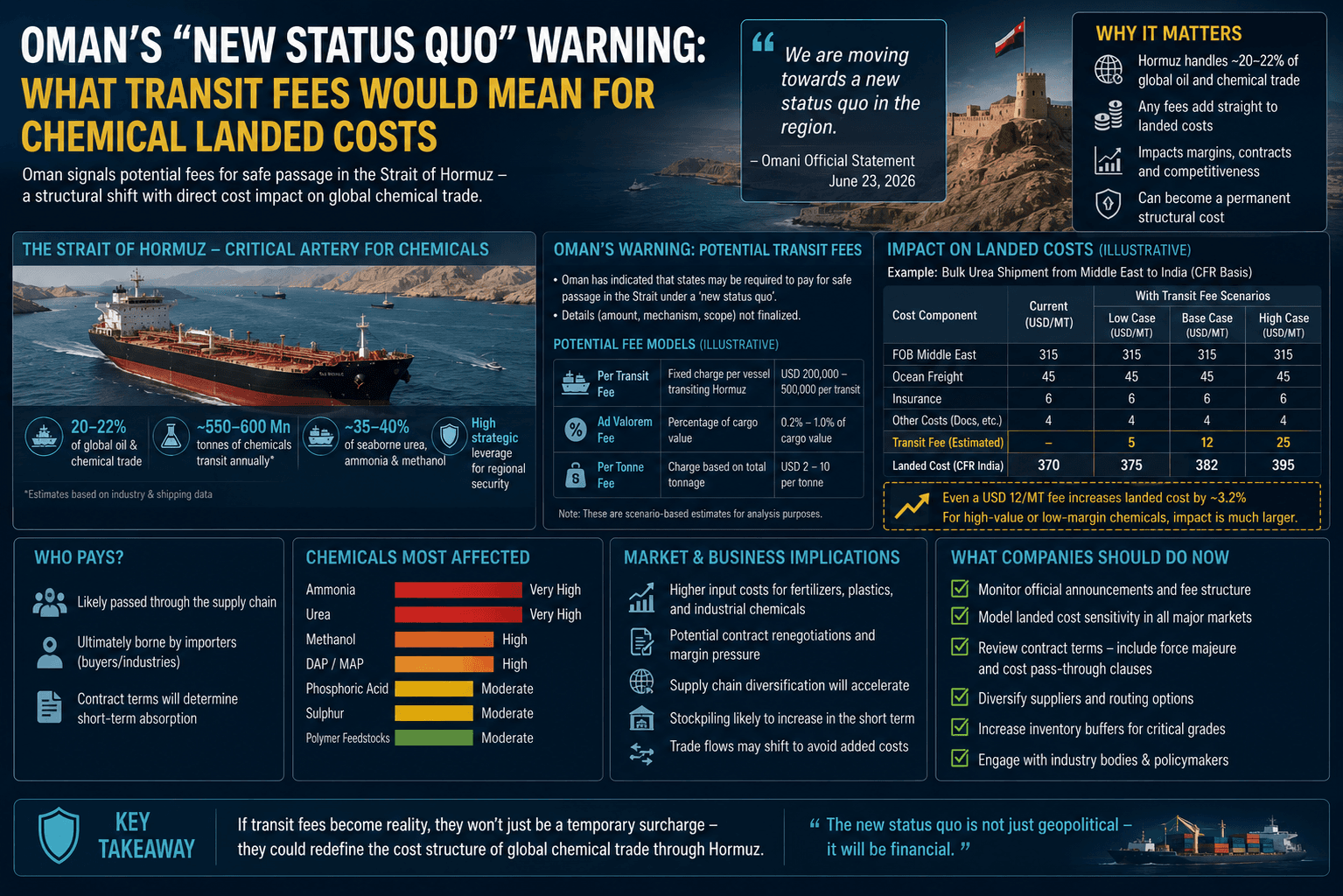
Oman’s warning that Hormuz may never return to pre-war conditions raises the prospect of permanent transit fees for commercial vessels. Chemical buyers should immediately model higher landed costs into H2 2026 procurement planning as Gulf shipping economics may have changed permanently.
We're committed to your privacy. Tradeasia uses the information you provide to us to contact you about our relevant content, products, and services. For more information, check out our privacy policy.