
Related Insights
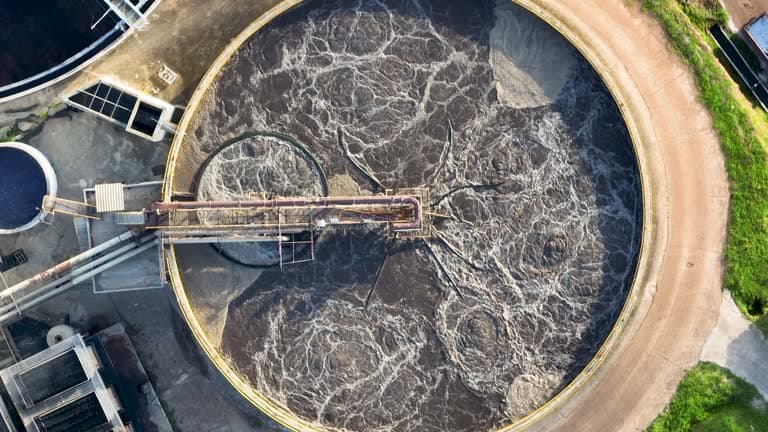
34 Shipping Crossings Revitalize GCC Water Treatment Supply
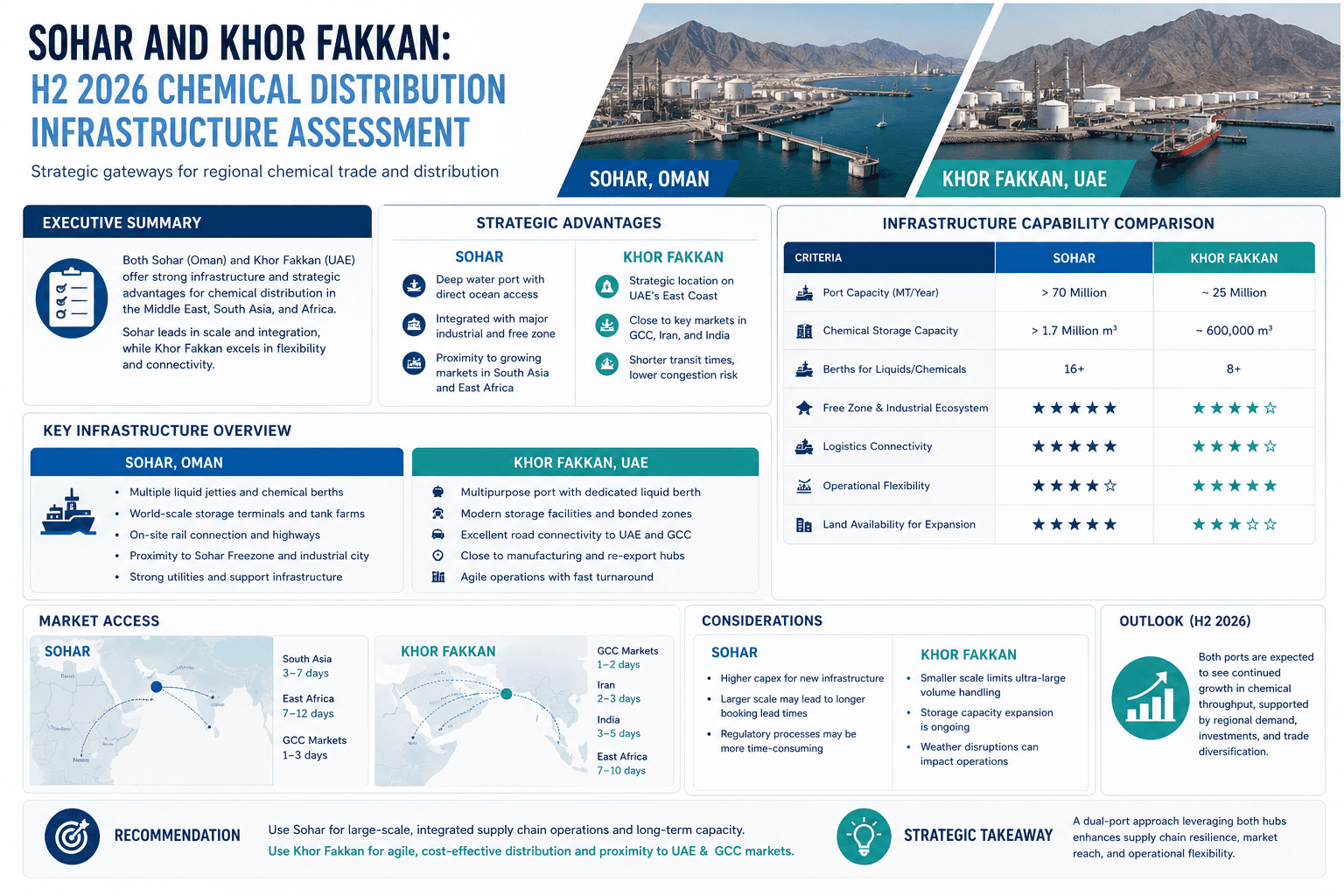
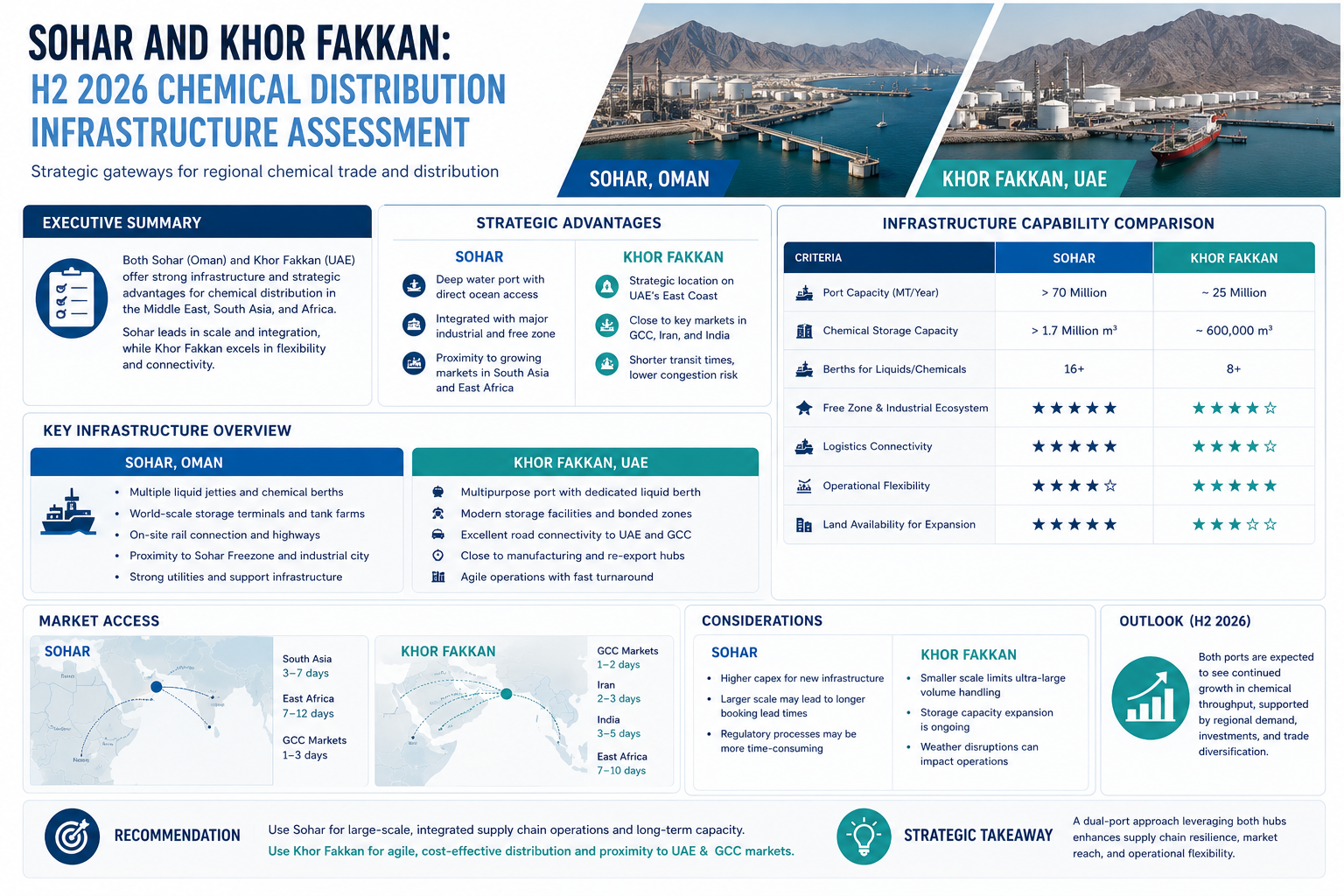
The Gulf Cooperation Council now sees 34 daily shipping crossings, easing the logistical bottleneck that had left utilities scrambling for water treatment chemicals. With production steady but transport limited, the new capacity realigns supply with demand, enabling utilities to rebuild safety stock for peak summer months. Strategic warehousing at Sohar, Khor Fakkan and Jebel Ali will further restore procurement flexibility.
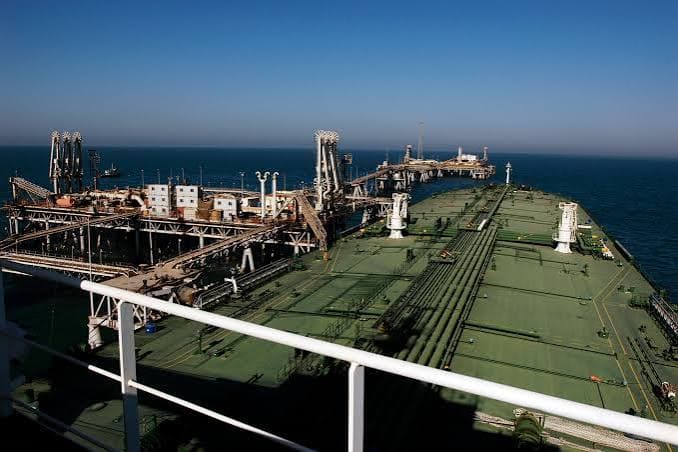
Iran’s “Service Fees”: What Toll-Based Passage Would Cost the Chemical Industry Annually
Iran’s proposal to charge “service fees” for Hormuz passage could permanently reshape the economics of global chemical trade. If transit charges become permanent, Gulf-origin chemical supply chains may face $500 million to $1.5 billion in additional annual costs that buyers will ultimately absorb through higher contract pricing.

Sorbitol: China's Old-Crop Supply Window and Why July Is the Contracting Sweet Spot
July 2026 presents a rare procurement opportunity for sorbitol buyers as stable Chinese feedstock costs, Thailand’s seasonal production gap, and easing freight rates combine to create one of the most attractive contracting windows of H2. Buyers with second-half demand requirements should act before supplier

The Nine Major Carriers' Hormuz Posture: Where Each Stands on July 1
The world's nine largest container shipping lines continue maintaining Cape of Good Hope routing as their operational standard entering H2 2026. For chemical buyers shipping under CIF and CFR contracts, understanding each carrier's operating posture is now a critical component of logistics and insurance planning.

Methanol Supply Update: What AIS Shipping Data Means for Q3 Buyers
Methanol supply has remained active through recent Gulf disruptions, with AIS vessel tracking showing continued commercial movement. Buyers should separate headline risk from physical flow data when planning Q3 procurement.

Heparin and Biologics Raw Materials: Supply Chain Review and Procurement Outlook for H2 2026
The biologics supply chain remained resilient through H1 2026 despite higher logistics costs. As heparin production stays concentrated and biologics demand grows, procurement teams should focus on diversification, quality assurance, and long-term supplier partnerships.
Don't miss out on our updates! Subscribe to our newsletter now
We're committed to your privacy. Tradeasia uses the information you provide to us to contact you about our relevant content, products, and services. For more information, check out our privacy policy.