
Nutraceutical Supply: The Double Corridor Crisis and Amino Acid Logistics
Introduction
The global nutraceutical industry depends on efficient and reliable supply chains to deliver essential ingredients used in dietary supplements, functional foods, sports nutrition, and wellness products. Among the most important of these ingredients are amino acids, which serve as building blocks for protein supplements, clinical nutrition products, infant formulas, and specialized health formulations.
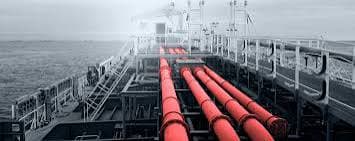
Recent disruptions affecting multiple international shipping routes have highlighted the risks associated with relying on a limited number of logistics corridors. Often referred to as a "double corridor crisis," this situation occurs when two major transportation routes experience simultaneous disruptions, placing additional pressure on global freight networks. For procurement professionals, understanding these logistics challenges is essential to maintaining a stable supply of amino acids and other nutraceutical ingredients.
Why Amino Acids Are Critical to the Nutraceutical Industry
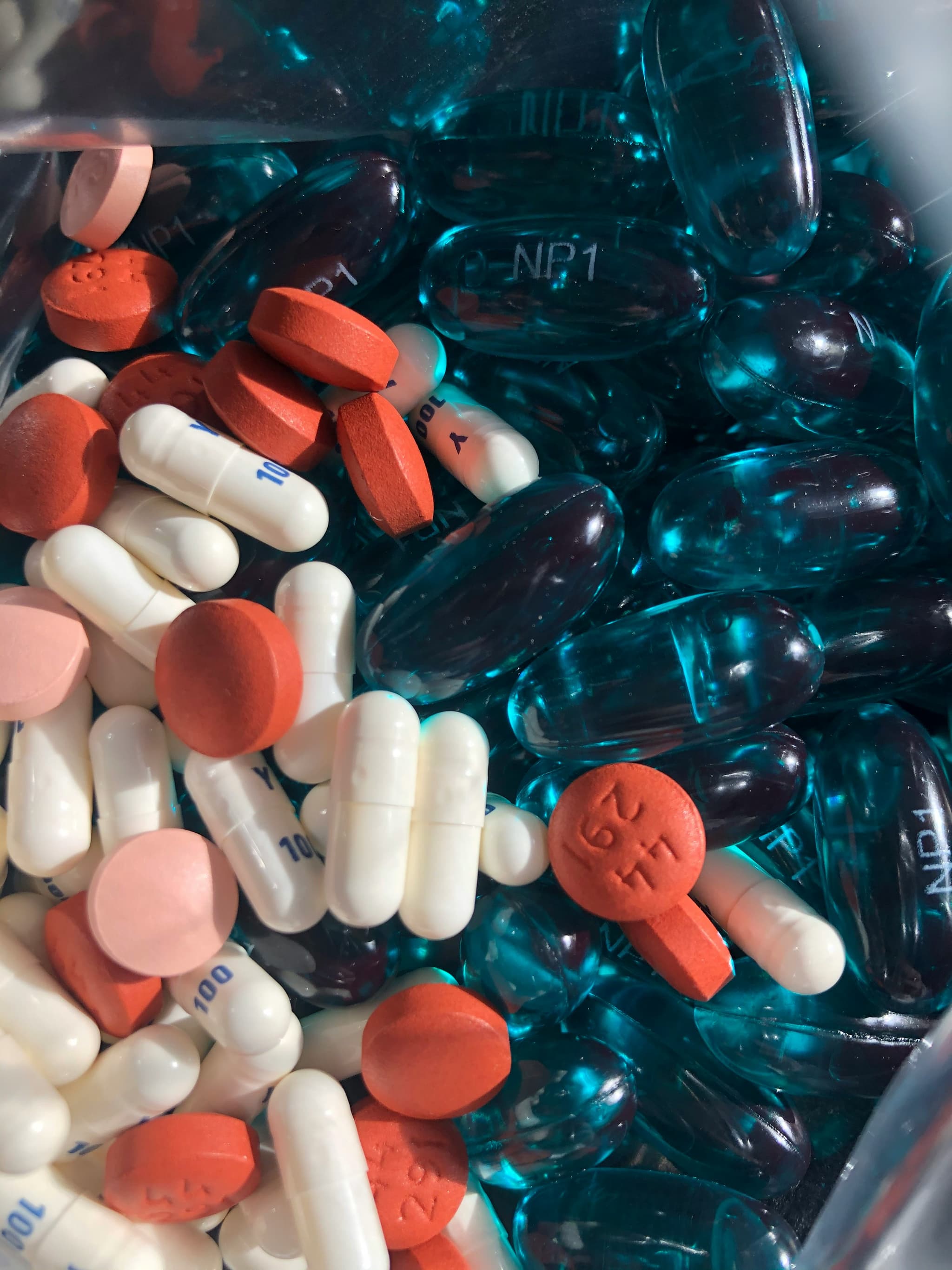
Amino acids are widely used across the health and nutrition sector due to their role in supporting muscle growth, metabolism, recovery, and overall wellness. Global demand continues to increase as consumers seek protein-rich diets and functional nutrition products.
Commonly traded amino acids include:
L-Lysine
L-Leucine
L-Glutamine
L-Arginine
L-Valine
L-Tryptophan
Glycine
These ingredients are supplied to manufacturers producing sports nutrition products, dietary supplements, clinical nutrition formulas, and fortified food products.
Understanding the Double Corridor Crisis
A double corridor crisis refers to the simultaneous disruption of two significant international transportation routes, limiting shipping capacity and increasing logistics complexity.
Such disruptions may result from:
Geopolitical tensions.
Port congestion.
Extreme weather events.
Canal restrictions.
Regional security concerns.
Labor strikes or infrastructure issues.
When multiple trade corridors are affected at the same time, cargo is often redirected through longer alternative routes, increasing transportation costs and delivery times.
Impact on Amino Acid Logistics
Because many amino acids are manufactured in Asia and distributed globally, transportation efficiency plays a major role in maintaining supply continuity.
The consequences of logistics disruptions include:
Extended Transit Times
Alternative shipping routes may increase delivery schedules by several days or even weeks.
Higher Freight Costs
Longer voyages, increased fuel consumption, and limited shipping capacity can raise overall transportation expenses.
Inventory Pressure
Manufacturers may need to hold larger inventories to protect against uncertain delivery schedules.
Procurement Challenges
Longer lead times make production planning more complex and increase the importance of accurate demand forecasting.
Supply Chain Uncertainty
Unexpected logistics disruptions can affect customer deliveries, production schedules, and contractual commitments.
Procurement Strategies to Reduce Risk
Companies can strengthen supply chain resilience by adopting proactive procurement and logistics strategies.
Diversify Supplier Locations
Sourcing amino acids from suppliers in different geographic regions reduces dependence on a single manufacturing or shipping corridor.
Increase Supply Chain Visibility
Real-time shipment tracking helps procurement teams identify delays and adjust production schedules accordingly.
Maintain Strategic Safety Stock
Holding appropriate inventory levels for high-demand amino acids helps prevent production interruptions during transportation delays.
Evaluate Alternative Transport Modes
Where feasible, combining ocean freight with air or rail transportation can improve supply flexibility for urgent shipments.
Strengthen Supplier Collaboration
Regular communication with suppliers and logistics providers supports better forecasting and coordinated shipment planning.
Long-Term Outlook for Nutraceutical Supply Chains
Global demand for nutraceutical products is expected to continue growing as consumers prioritize preventive healthcare and wellness. At the same time, supply chain resilience has become a strategic priority for manufacturers seeking to manage geopolitical uncertainty and transportation risks.
Organizations are increasingly investing in:
Digital supply chain monitoring.
Predictive demand forecasting.
Multi-sourcing procurement strategies.
Regional warehousing.
Advanced logistics analytics.
These investments help businesses respond more effectively to changing market conditions while maintaining reliable ingredient availability.
Conclusion
The double corridor crisis highlights the growing importance of resilient logistics strategies within the nutraceutical industry. Since amino acids are essential ingredients for a wide range of health and nutrition products, transportation disruptions can have significant effects on procurement costs, inventory management, and production continuity.
By diversifying suppliers, improving shipment visibility, maintaining strategic inventory, and adopting data-driven procurement practices, manufacturers can better navigate logistics challenges and ensure a dependable supply of amino acids in an increasingly complex global marketplace.
Melamine - Indonesia CAS: 108-78-1