

Related Insights
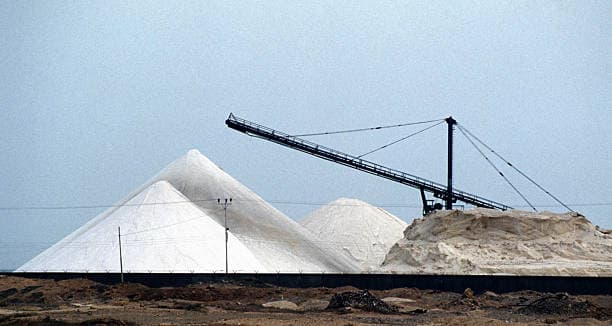
China’s Phosphate Export Halt Extends Trade Friction Into August
China’s ongoing ban on phosphate exports pushes global fertilizer markets into uncertainty, tightening DAP and MAP supplies, reshaping shipping routes, and forcing buyers to rethink procurement strategies. The ripple effect underscores the fragility of the agricultural input supply chain.

Sanctions Deadline Cuts Off Iranian Oil Sales: Market Shock as of July 17
The July 17 deadline cuts off Iranian oil exports, sending ripples through global energy markets, shipping routes, and chemical supply chains. Analysts warn of price volatility, altered maritime logistics, and a shift in trade flows. Understanding these impacts is crucial for stakeholders worldwide.
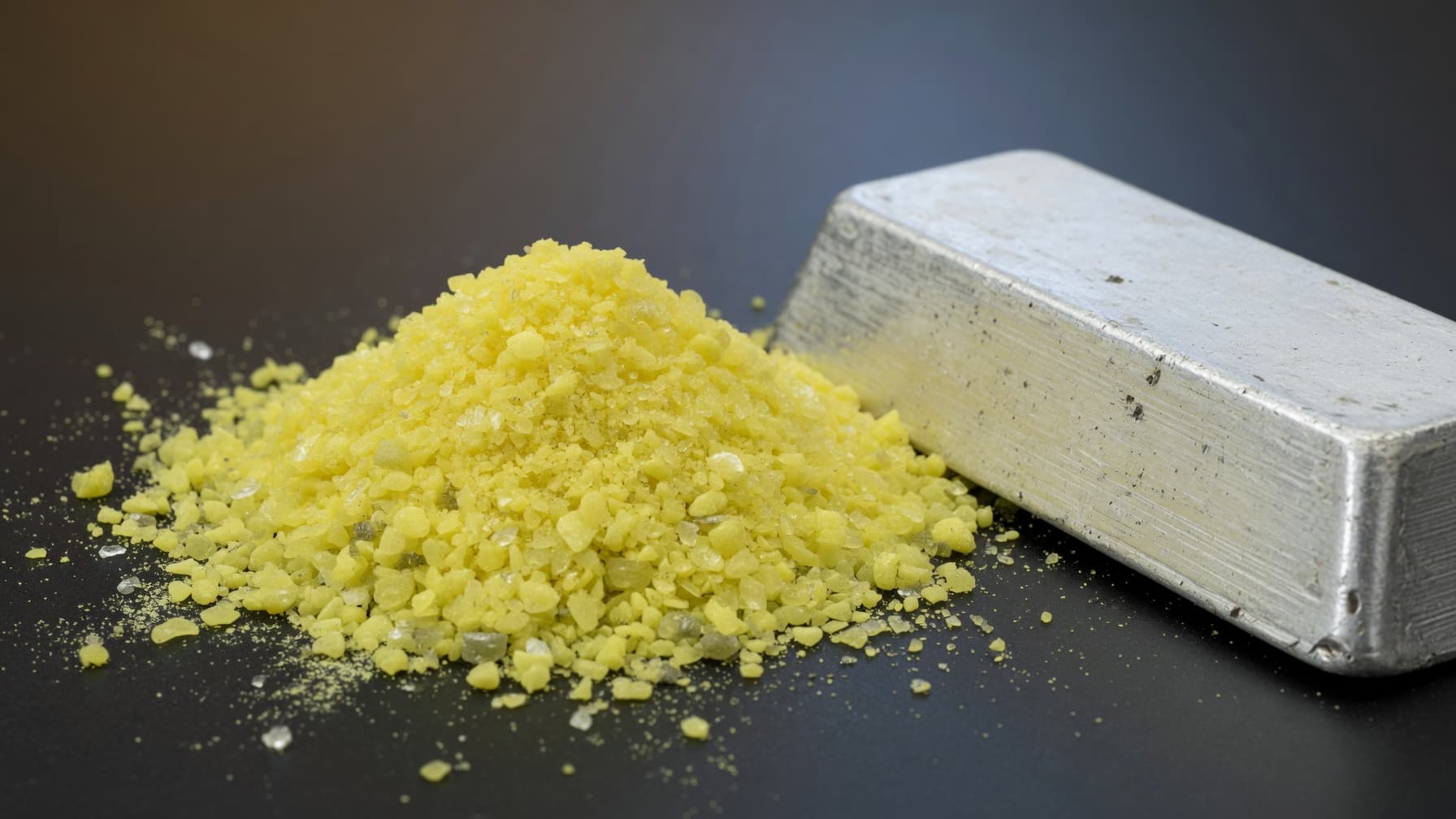
Sulfur and Aluminum Supply at Risk: What the Hormuz Crisis Means for Chemical Procurement
The Strait of Hormuz disruption extends beyond oil markets, affecting sulfur, aluminum, methanol and graphite that support global chemical manufacturing. Procurement teams should reassess sourcing strategies as industrial raw material risks continue to evolve.

Qatar’s Diplomatic Leverage Strengthens Chemical Supply Stability
Qatar’s strategic position as a chemical exporter, coupled with its control over frozen Iranian funds and a robust LNG supply chain, solidifies its role in Gulf fertilizer markets. The nation’s diplomatic clout ensures stable ammonia production and market confidence across the region.
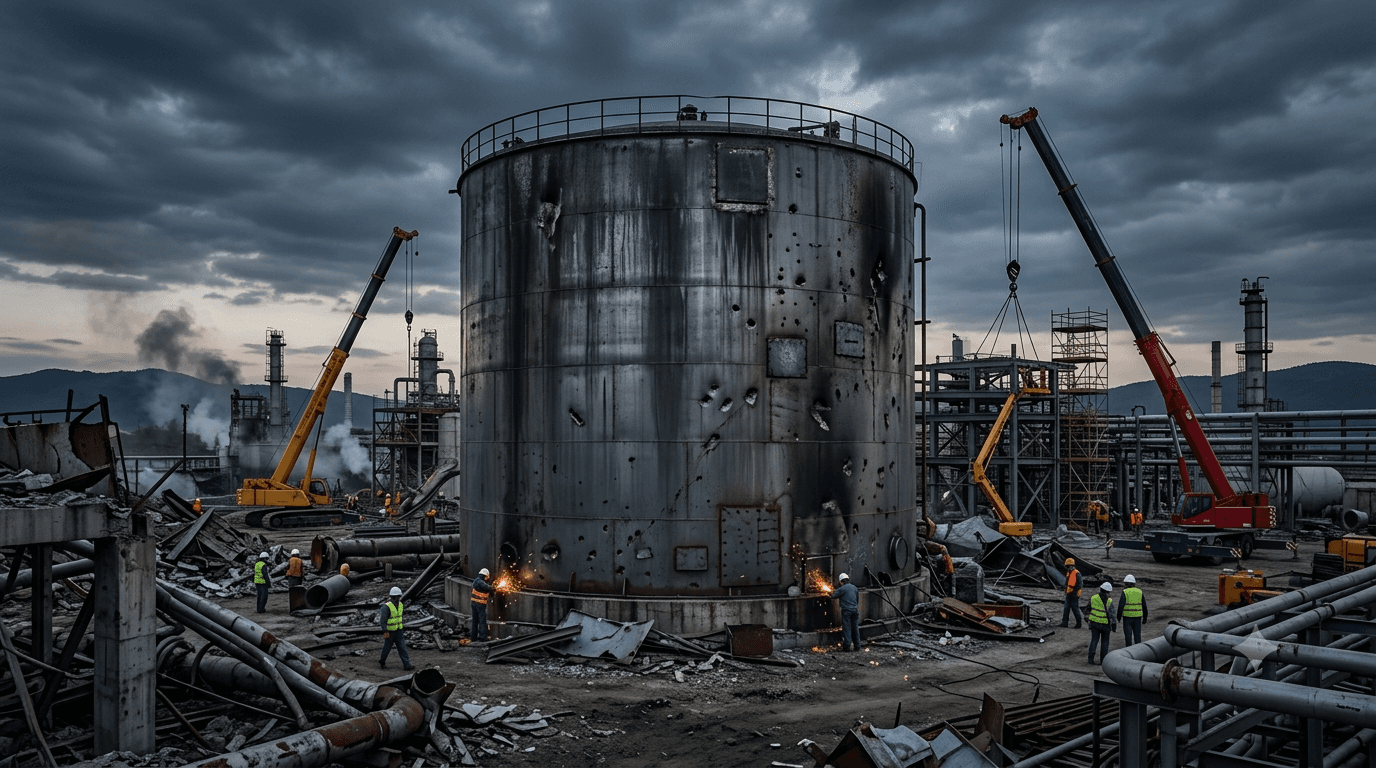
Iran’s Petrochemical Sector After the Hormuz War: Global Methanol and Fertilizer Markets Face a Multi-Year Supply Gap
Iran’s petrochemical industry emerged as the largest industrial casualty of the Hormuz War, with major production hubs reportedly suffering catastrophic damage. The resulting supply gap is reshaping methanol, fertilizer and polymer markets while creating one of the largest reconstruction opportunities in the global chemical sector.

Hengli Petrochemical Q1 2026 Profit Surge: How the Hormuz Crisis Reshaped Global Petrochemical Competition
Hengli Petrochemical reported a remarkable 90.65% year-on-year increase in net profit during Q1 2026 as supply disruptions around the Strait of Hormuz altered global trade flows. This article examines the factors behind China's refining advantage, the export surge that followed and what buyers should expect as Middle Eastern supply returns to the market.
Don't miss out on our updates! Subscribe to our newsletter now
We're committed to your privacy. Tradeasia uses the information you provide to us to contact you about our relevant content, products, and services. For more information, check out our privacy policy.