
Borax Decahydrate (Technical Grade) - Argentina CAS: 1303-96-4

Approximately 6,000 seafarers are trapped in the Gulf as vessel movements through the Strait of Hormuz fall below normal levels. This bottleneck is not only an operational headache for shipping lines but also a humanitarian crisis and a threat to the chemical supply chain that fuels global commerce. The article explores the ripple effects across maritime logistics, crew welfare, and chemical transport.
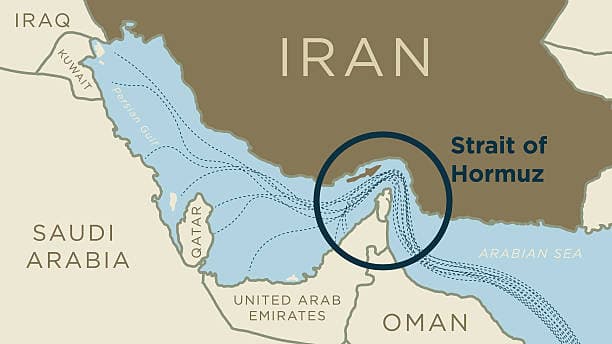
The Strait of Hormuz has seen fresh clashes that are once again cutting vessel transits, disrupting the flow of chemicals and fertilizers. These tensions elevate freight risk and threaten the stability of the global supply chain.
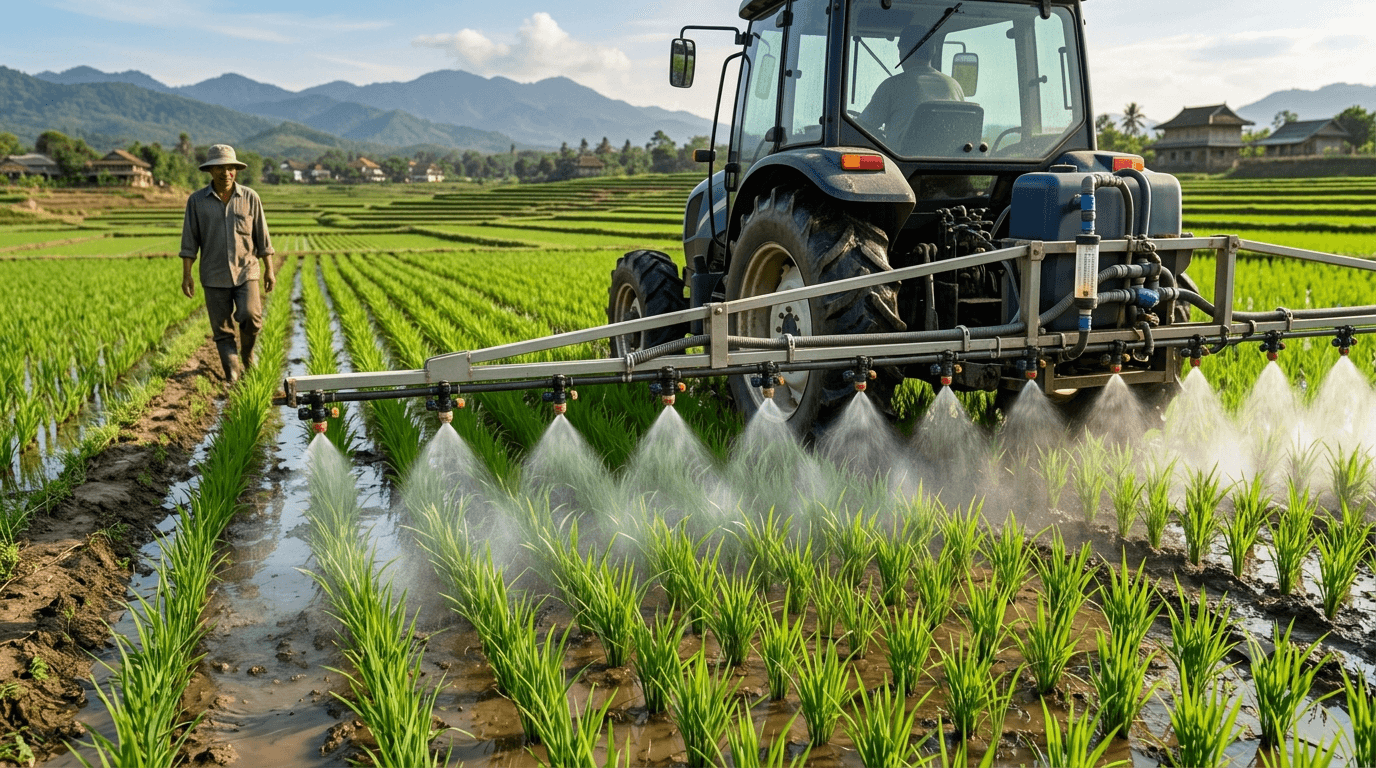
As Japanese chemical makers redirect investment from China to India across sectors like solar materials, agrochemical suppliers are watching whether a similar shift plays out in crop protection. For procurement teams managing fungicide, herbicide and insecticide portfolios, understanding whether this geographic pivot extends to agricultural chemicals matters for supply chain planning and sourcing strategy.

More than 22,500 mariners remain stuck on over 1,550 vessels in the Persian Gulf, a human crisis behind every delayed chemical shipment. For procurement teams sourcing from Gulf producers, this is no longer a distant headline but a direct line item in supply chain risk.

This weekly brief highlights Gulf logistics recovery, structural helium constraints, rising GLP‑1 solvent demand, shifting polymer duties in India, and imminent EU regulatory updates. Procurement teams must adjust sourcing strategies to navigate these evolving risks and opportunities.
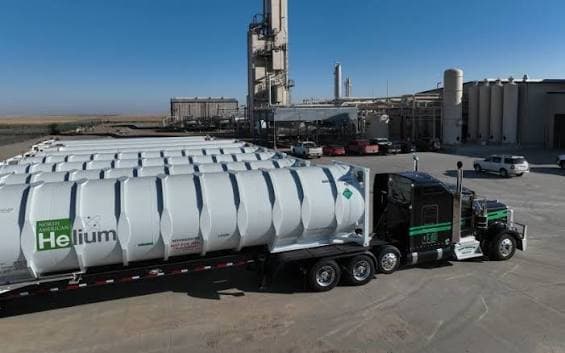
The 2026 Hormuz crisis created one of the most overlooked commodity disruptions in global markets: helium. Damage to Qatar’s Ras Laffan LNG infrastructure reduced helium production capacity, creating a structural supply shortage that may persist for years even as shipping conditions across Hormuz begin improving.
We're committed to your privacy. Tradeasia uses the information you provide to us to contact you about our relevant content, products, and services. For more information, check out our privacy policy.