


Insights relacionados
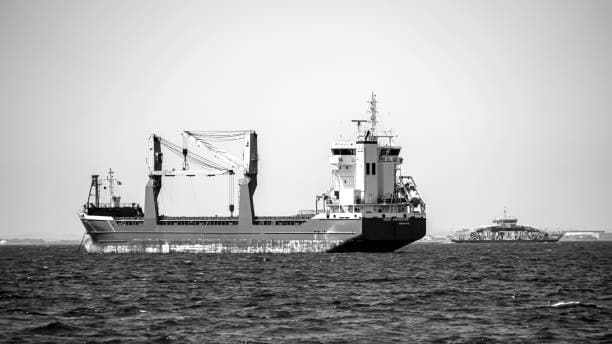
Baltic Dry Index Drops to Two-Week Low, Straining Bulk Shipping
The Baltic Dry Index slipped to a two‑week low, signaling a slowdown in bulk shipping demand across key commodity fentices. Analysts link the dip to softening steel and grain markets, while chemical logistics firms report rising freight costs. This article examines the underlying forces and what they mean for the dry bulk sector.

Rupee Depreciation Reshapes Indian Chemical Export Logistics Economics
When the rupee weakens, Indian chemical exporters face higher freight costs, altered procurement choices, and shifting trade dynamics. This article explores how currency swings influence logistics, competitiveness, and international shipping strategies, offering insight into adapting to a volatile economic landscape.

Green Hydrogen Economics: How $79 Brent Alters Premium Calculations
Brent crude price swings have a direct impact on the cost premium of green există hydrogen compared to its grey counterpart. With Brent at $79, the economics of green hydrogen shift dramatically, influencing low‑carbon chemical procurement and the broader energy transition. This article explores the mechanics behind the premium calculation and its implications for the chemical industry.

July BAF Reset: How Lower Brent Crude Cuts Cape Shipping Costs
The first major monthly bunker adjustment factor reset of 2026 reflects Brent’s fall to $73.05, delivering a tangible freight cost cut for Cape of Good Hope routes. Chemical shippers can expect a 10‑20% drop in Cape surcharges, translating to $150‑$350 per TEU on major legs. It’s a partial relief, but a crucial lever for Q3 contract talks.
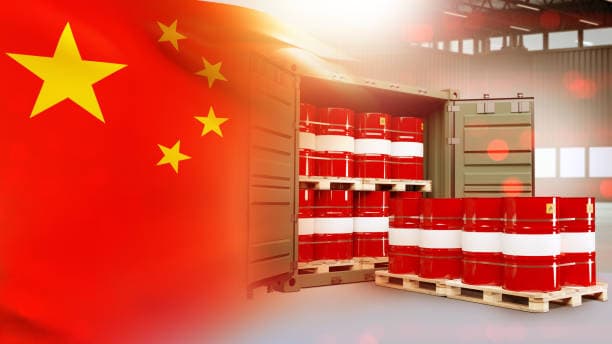
China Chemical Exports 2026: Urea Caps, MTO Surge, and July Pricing Pulse
China’s urea export limits and aggressive methanol-to-olefins (MTO) rates set the stage for 2026 chemical flows. July pricing decisions will reveal whether China will defend its crisis‑era share or recalibrate toward market balance. Global buyers must watch China’s export strategy closely.

Chemical Price Reversal 2026: Why Fertilizer Prices Fell Before Hormuz Reopened
In early 2026 the global chemical market saw a dramatic price spike during the Hormuz crisis, only to reverse course by April even before shipping lanes fully reopened. This article dissects the panic‑driven surge, the factors that triggered the drop, and the procurement intelligence lessons that can help buyers mitigate volatility.
Não perca nossas atualizações! Assine nossa newsletter agora
Estamos comprometidos com sua privacidade. A Tradeasia usa as informações fornecidas para entrar em contato com você sobre conteúdos, produtos e serviços relevantes. Para mais informações, consulte nossa política de privacidade.