
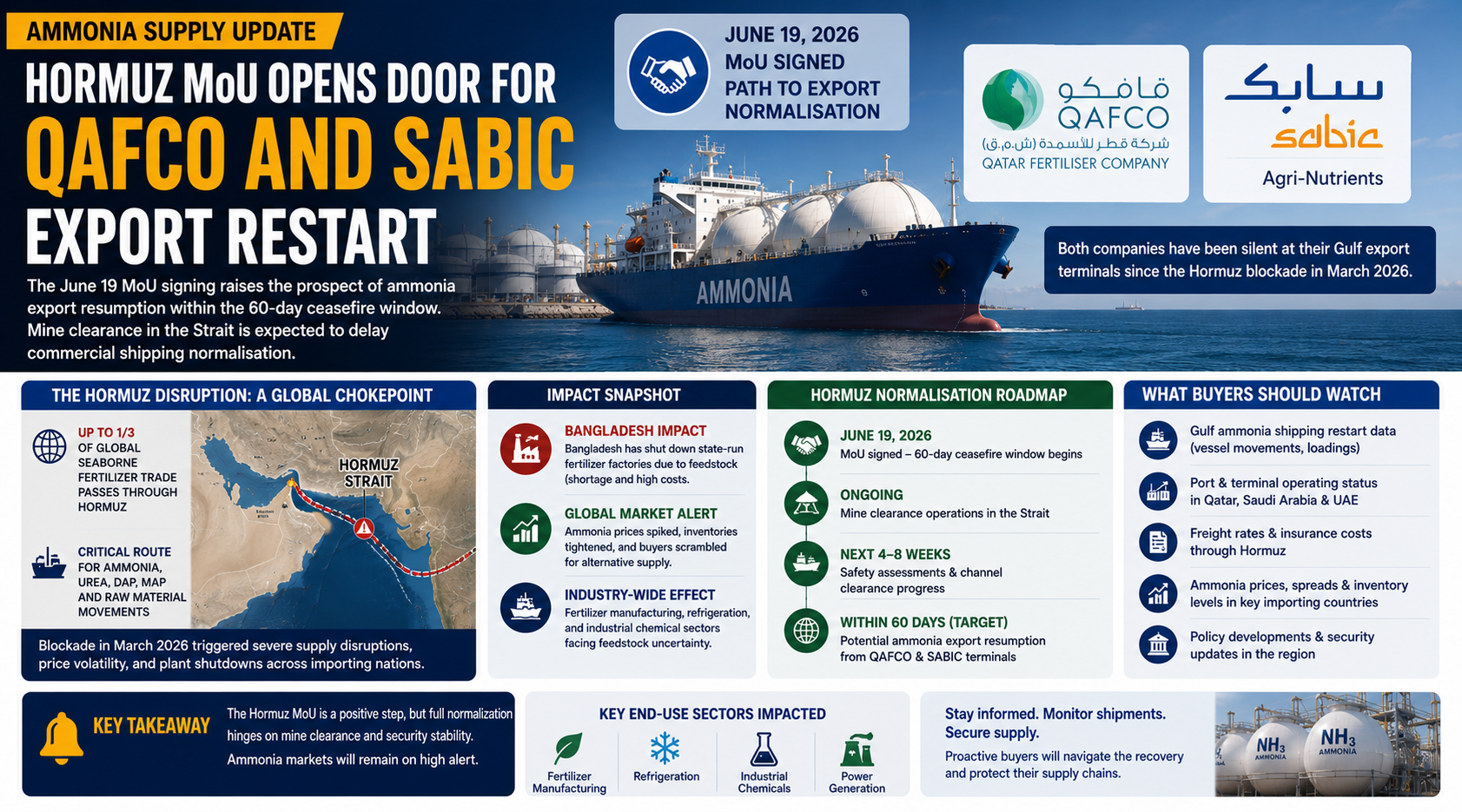
Ammonium Bicarbonate (E503(ii)) CAS: 1066-33-7
Ammonium Bicarbonate (E503(ii)) CAS: 1066-33-7
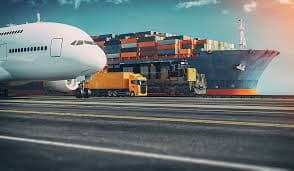
Global shipping has entered a more nuanced operational phase as convoy operations begin supporting selected Gulf transits. While the world's largest container carriers continue relying on Cape of Good Hope routing, convoy participation is creating a different recovery pathway for chemical tankers and bulk carriers already positioned inside the Gulf.
Russia’s Yamal LNG surge has reshaped European chemical supply chains, offering short‑term gas security but exposing deeper vulnerability to external gas flows. Ammonia and methanol plants gained access to cheaper gas, yet spot premiums and sanctions risks loom. Procurement teams must factor these dynamics into cost and supplier risk models.

The gradual restart of Gulf sulfur exports is expected to improve global sulfur availability and ease sulfuric acid market tightness. Fertilizer, mining, and battery manufacturers should prepare for improving supply conditions during Q3 2026.
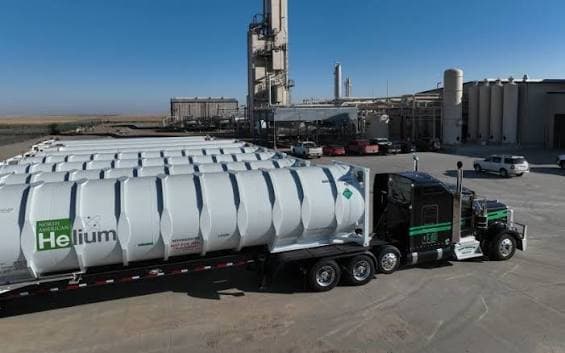
The 2026 Hormuz crisis created one of the most overlooked commodity disruptions in global markets: helium. Damage to Qatar’s Ras Laffan LNG infrastructure reduced helium production capacity, creating a structural supply shortage that may persist for years even as shipping conditions across Hormuz begin improving.
As Gulf supply chains begin physically recovering (34 Kpler crossings June 30), the commercial and legal process of formally closing

Freight conditions are changing rapidly for global citric acid buyers as shipping routes recover and logistics costs begin to ease. Procurement teams negotiating H2 2026 contracts have a short opportunity to secure improved delivered pricing before freight adjustments spread across the market.
Estamos comprometidos com sua privacidade. A Tradeasia usa as informações fornecidas para entrar em contato com você sobre conteúdos, produtos e serviços relevantes. Para mais informações, consulte nossa política de privacidade.