
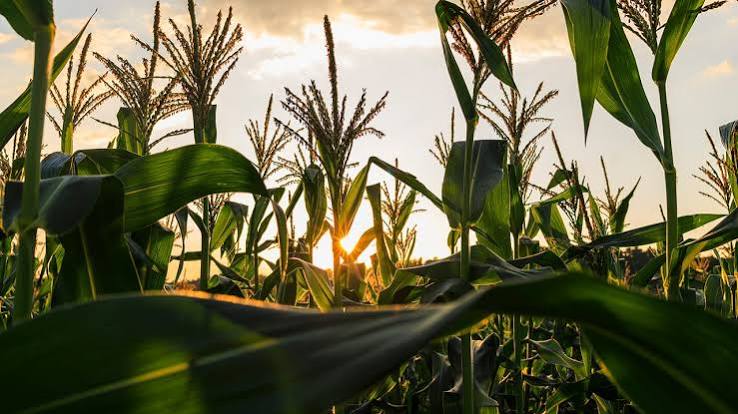
Corn Gluten Feed CAS: 66071-96-3
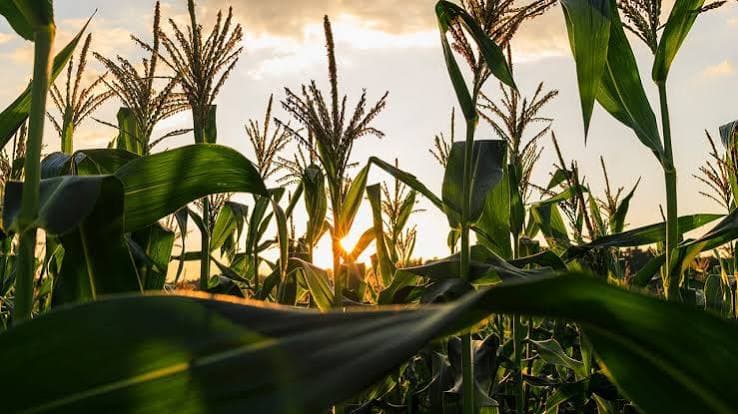
Corn Gluten Feed CAS: 66071-96-3

For the first time in decades, freight costs, insurance premiums and maritime disruptions have eclipsed production economics in shaping global fertilizer prices. This shift signals a new era where logistics economics dictate market dynamics more than crop demand or input costs.

India's reinstatement of the 5% Basic Customs Duty on MEG imports changes the cost equation for polyester manufacturers and chemical buyers. This article explains the new landed cost arithmetic, why today's costs remain below April's market peak and what procurement teams should monitor in the months ahead.
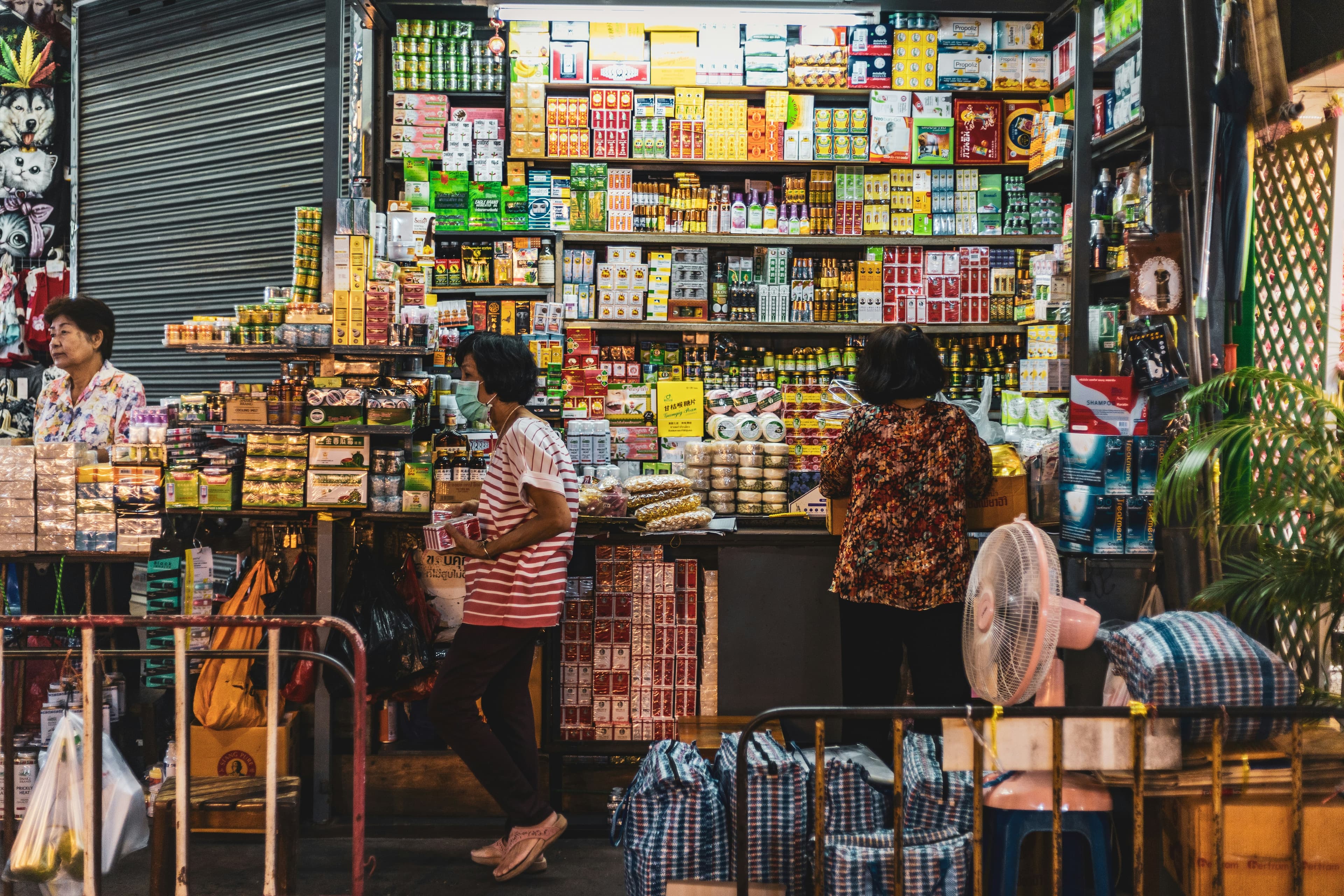
H1 2026 closes with vanillin markets segmented into three distinct supply tiers that food manufacturers must navigate strategically

Thai sorbitol production is tightening as the annual tapioca feedstock gap reduces output, while Chinese suppliers continue operating at stable capacity with competitive export pricing. Procurement teams planning H2 2026 purchases have a valuable opportunity to lock in improved delivered costs before seasonal market dynamics shift again.

Brent crude has fallen below its pre-conflict level, creating a potential cost reset for chemical feedstocks. This analysis explains how lower crude prices may influence naphtha, olefins and commodity chemical pricing in Q3 2026.

Styrene and ABS markets are entering a recovery phase as feedstock availability improves and global production gradually increases. Procurement teams should understand how supply, regional trade and geopolitical uncertainty will influence purchasing decisions through the second half of 2026.
Estamos comprometidos com sua privacidade. A Tradeasia usa as informações fornecidas para entrar em contato com você sobre conteúdos, produtos e serviços relevantes. Para mais informações, consulte nossa política de privacidade.