
Borax Decahydrate (Technical Grade) - Argentina CAS: 1303-96-4
Borax Decahydrate (Technical Grade) - Argentina CAS: 1303-96-4
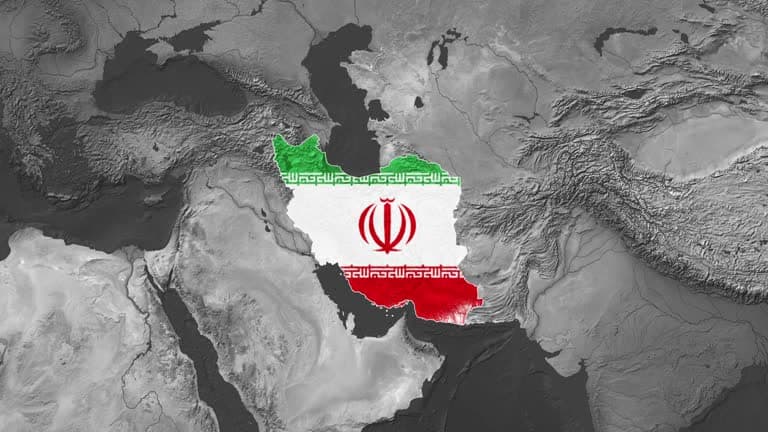
Iran’s proposed Hormuz transit fees could add $500–750 million annually to global chemical trade costs, creating a permanent landed‑cost increase for Gulf‑origin chemicals. This article analyzes the fee structure, its impact on petrochemical freight risk, and strategies for 2026 chemical procurement.
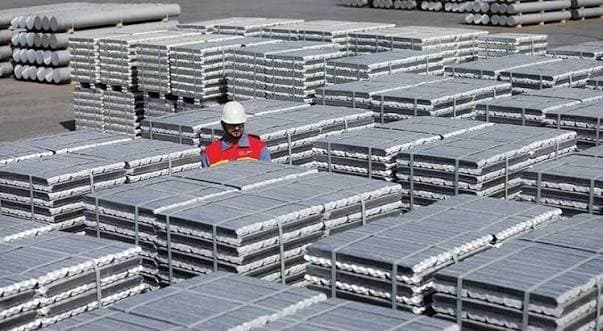
The 2026 Hormuz crisis stranded two of the world’s largest aluminium smelters — Emirates Global Aluminium and Alba Bahrain — quietly disrupting global supply for automotive, aerospace, and packaging manufacturers. With Gulf shipping conditions improving, aluminium logistics may recover faster than petrochemical markets in early H2 2026.
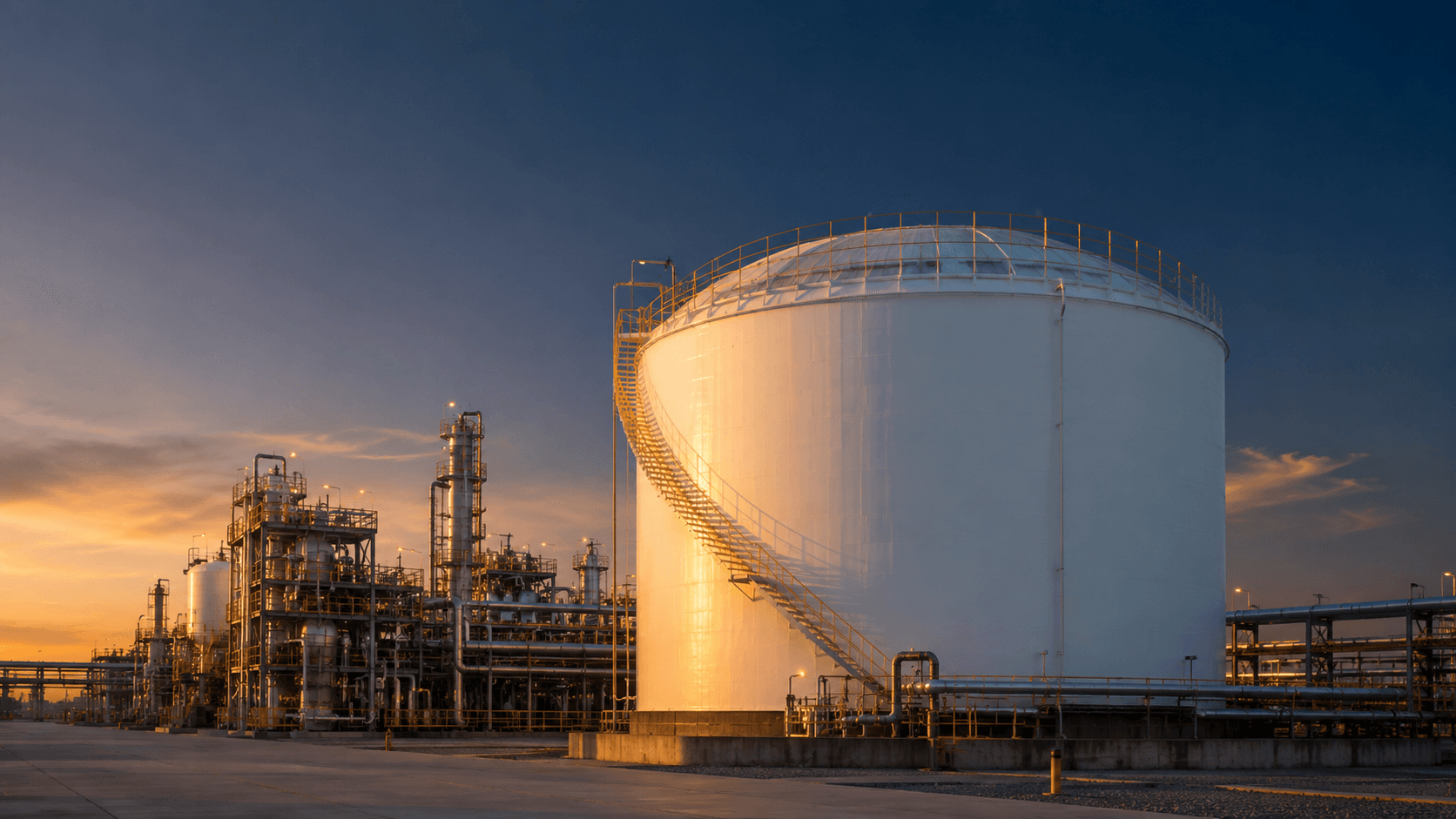
Golden Triangle Polymers represents one of the largest petrochemical investments entering operation in 2026. This analysis explores how the project could reshape HDPE and LLDPE supply, influence global trade flows and why procurement teams are closely watching market developments.
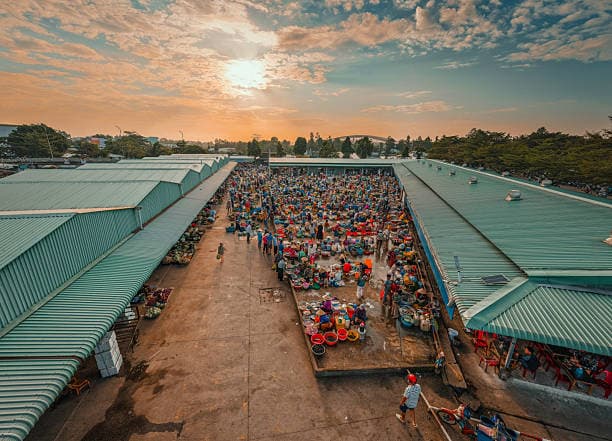
India’s DAP inventory climbed to 1.96 Mt in May 2026, creating a strategic buffer that could soften future import demand. This hidden stockpile may shift market dynamics, influencing phosphate fertilizer prices and supply chains.
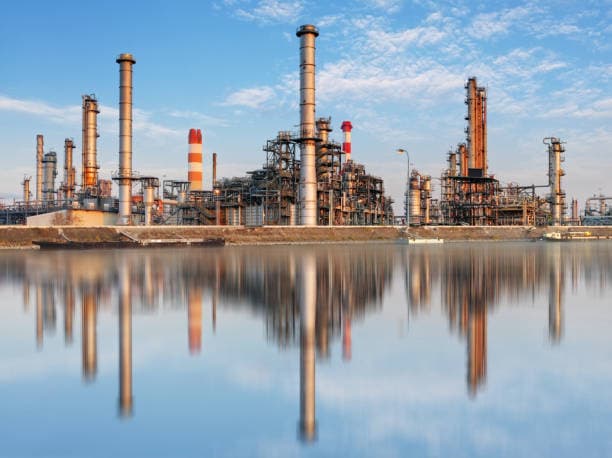
As the Hormuz crisis reshapes global oil flows, India’s ONGC is evaluating Venezuelan crude to secure feedstock for its expanding refinery network. This move signals a broader strategy to diversify imports and stabilize the country’s petrochemical supply chain by 2026.
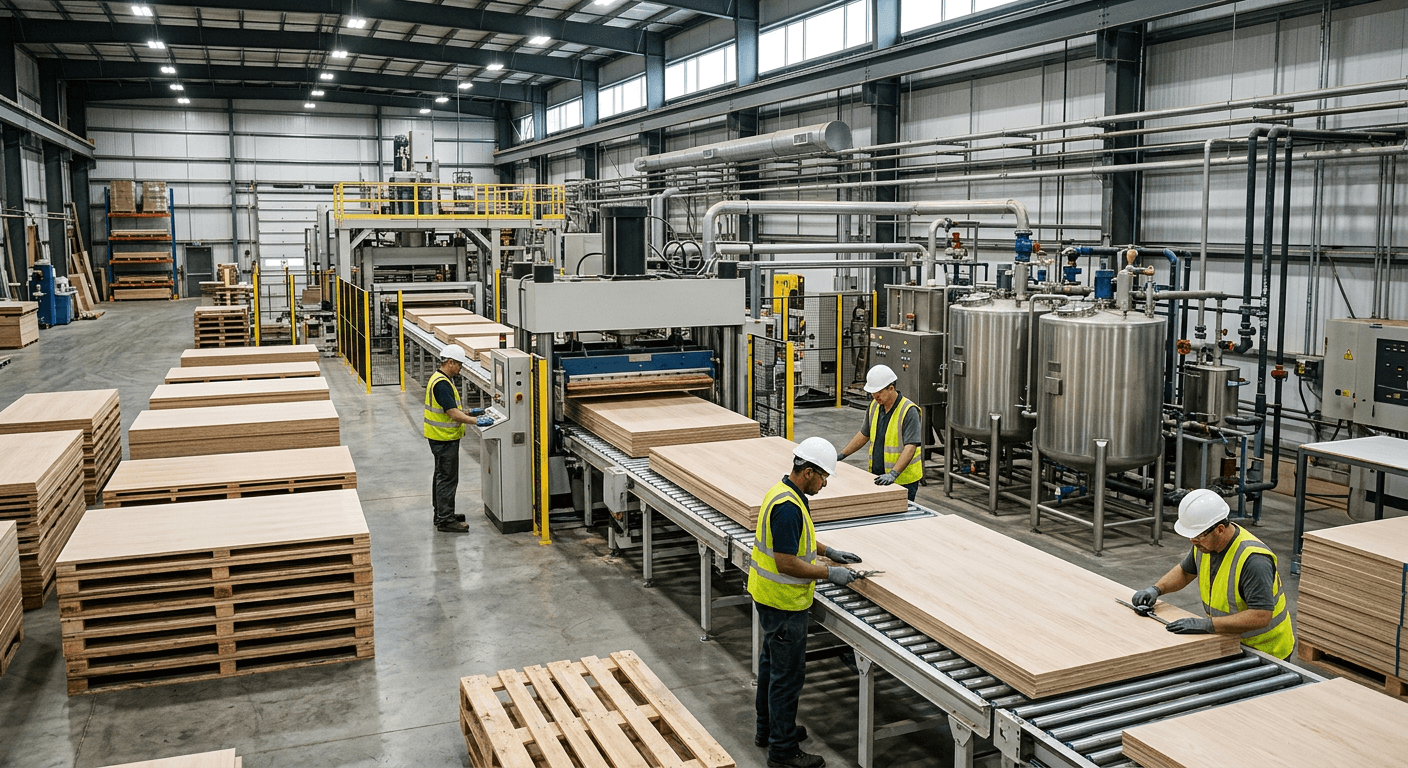
Industrial solvent demand remains under pressure in Q2 2026 as weak manufacturing activity limits consumption across key markets. This analysis covers pricing conditions, supply risks and procurement opportunities for buyers.
Estamos comprometidos com sua privacidade. A Tradeasia usa as informações fornecidas para entrar em contato com você sobre conteúdos, produtos e serviços relevantes. Para mais informações, consulte nossa política de privacidade.