
Pentaerythritol CAS: 115-77-5
Pentaerythritol CAS: 115-77-5
The expected 3–5-year reduction in Qatar's helium production is reshaping global supply chains. Learn how semiconductor, pharmaceutical, and healthcare industries can prepare for long-term helium shortages.
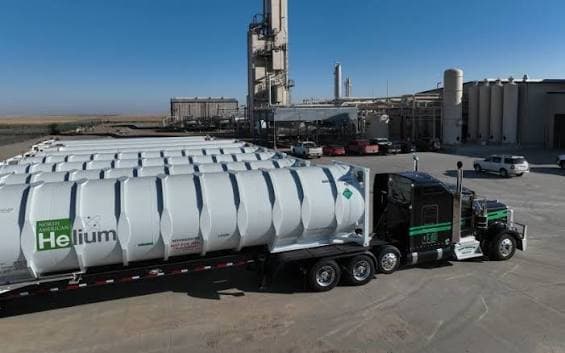
The 2026 Hormuz crisis created one of the most overlooked commodity disruptions in global markets: helium. Damage to Qatar’s Ras Laffan LNG infrastructure reduced helium production capacity, creating a structural supply shortage that may persist for years even as shipping conditions across Hormuz begin improving.
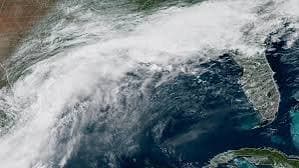
Tropical Storm Arthur’s July 1 Texas landfall is creating short-term supply chain risk for US food manufacturers dependent on Gulf Coast chemical production. Even temporary disruption at Eastman, Celanese, and regional logistics hubs could affect July deliveries of critical food-grade chemicals and processing aids.

This weekly brief highlights Gulf logistics recovery, structural helium constraints, rising GLP‑1 solvent demand, shifting polymer duties in India, and imminent EU regulatory updates. Procurement teams must adjust sourcing strategies to navigate these evolving risks and opportunities.
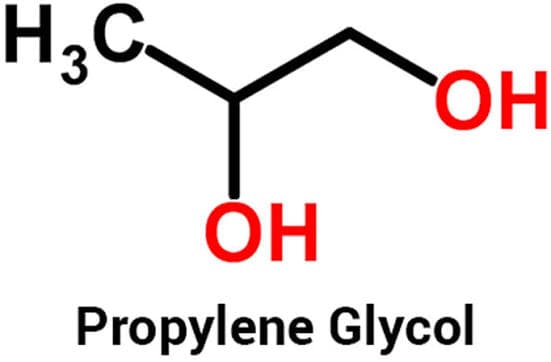
The closure of major propylene oxide capacity has tightened the global supply of USP-grade propylene glycol. Pharmaceutical manufacturers should prioritize supply security and GMP-certified sourcing as Q3 2026 procurement begins.
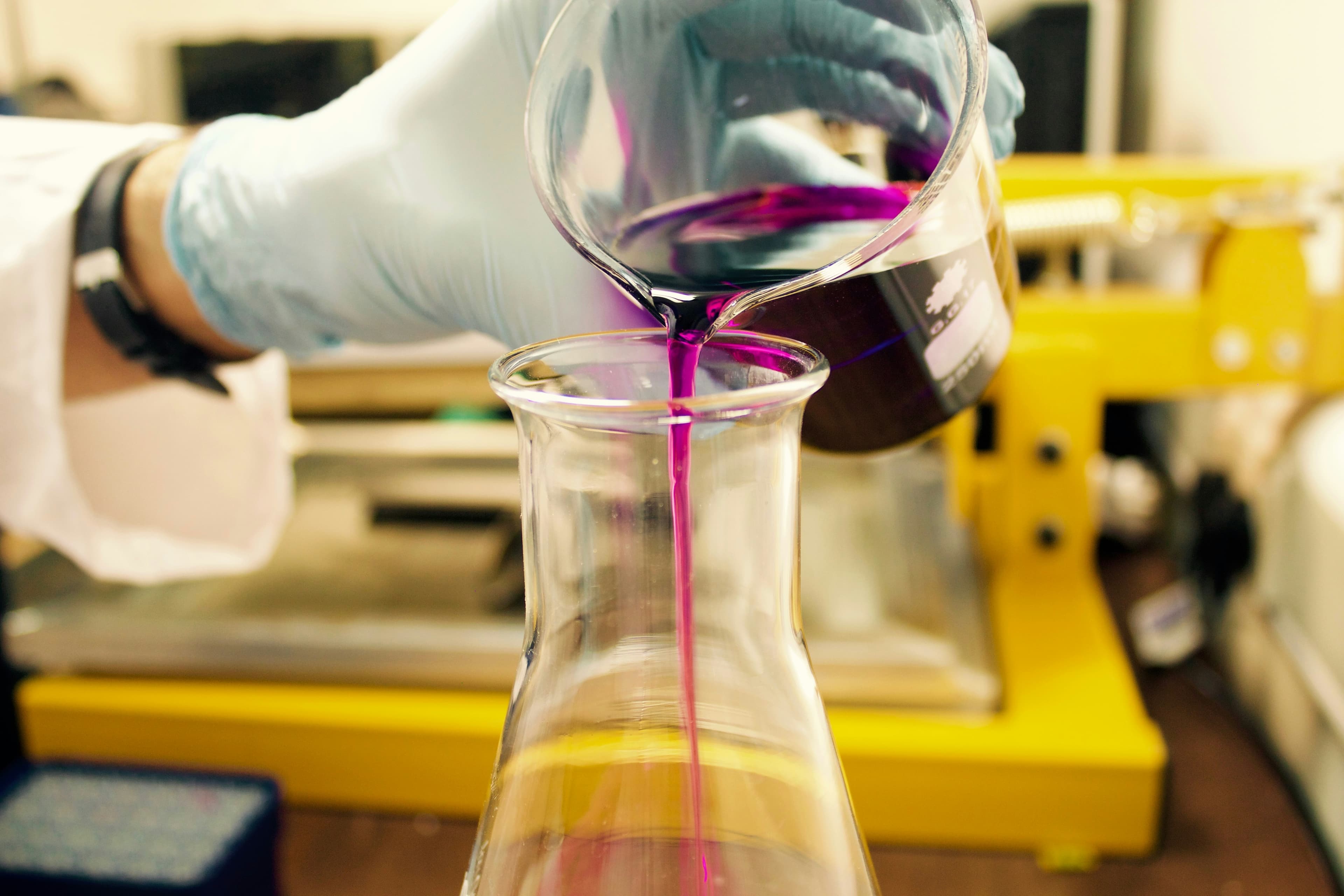
Pharmaceutical solvent markets are entering H2 2026 with improving feedstock economics and stabilizing crude oil prices. This creates an ideal procurement window for pharmaceutical manufacturers to secure long-term solvent supply agreements before potential market volatility returns.
Estamos comprometidos com sua privacidade. A Tradeasia usa as informações fornecidas para entrar em contato com você sobre conteúdos, produtos e serviços relevantes. Para mais informações, consulte nossa política de privacidade.