
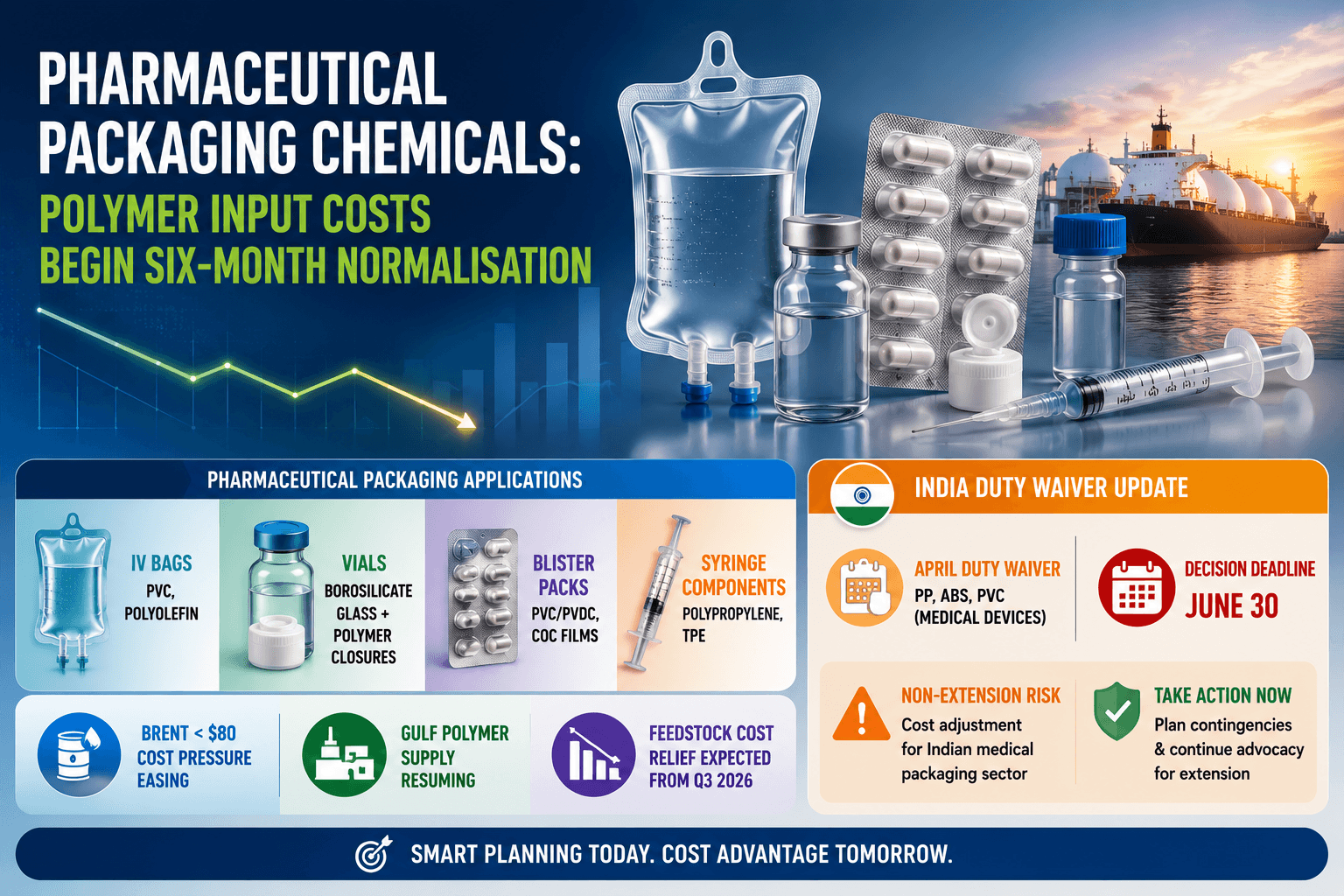
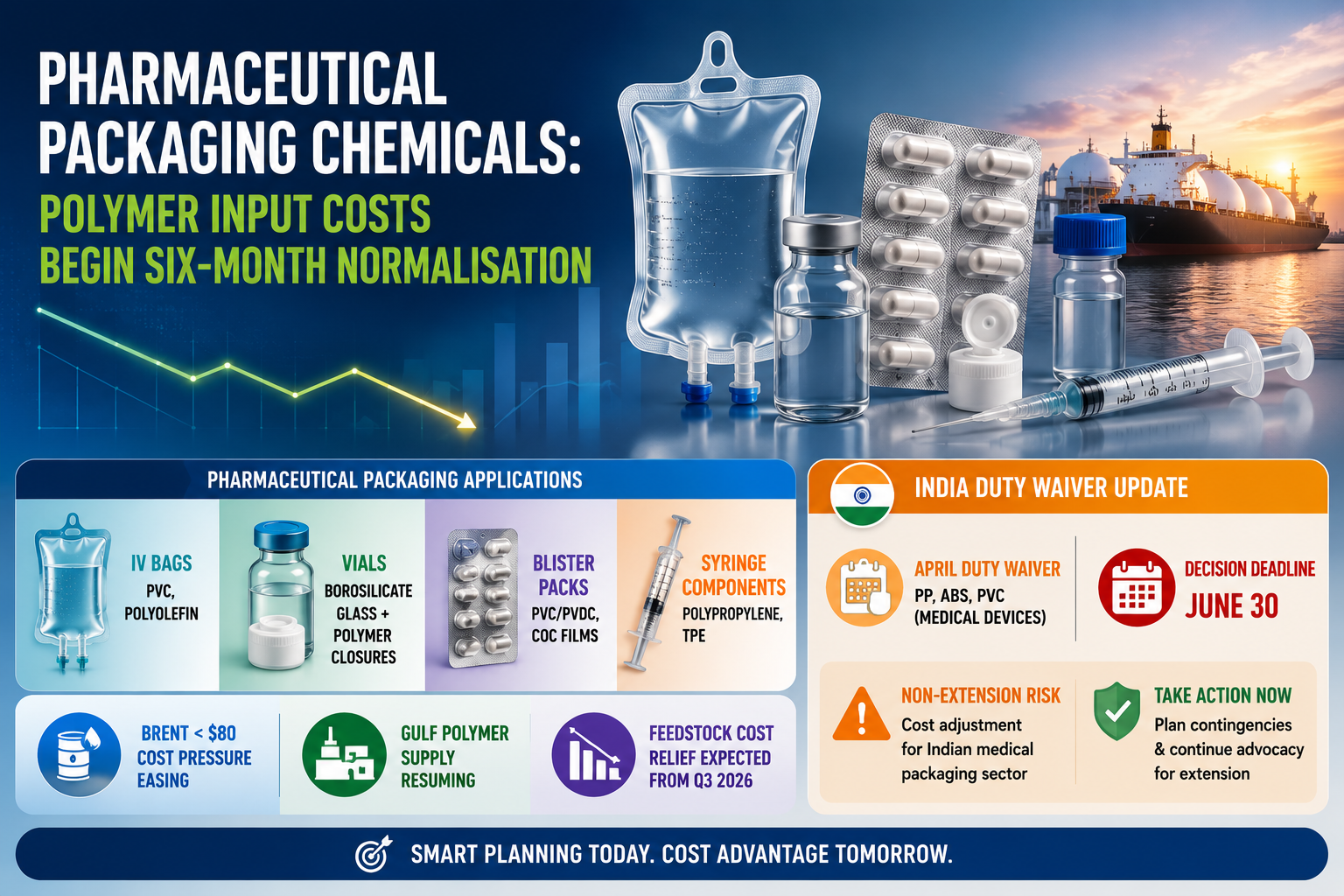
Carbon Black (N110) - India CAS: 1333-86-4

Retailers are tightening their standards on synthetic food dyes, setting 2026‑2027 deadlines that force manufacturers to reexamine ingredient sourcing and reformulation strategies. The shift toward natural colorants and clean‑label compliance reshapes product development, cost structures, and supply chains. This article breaks down the commitments, impacts, and practical steps for food companies.
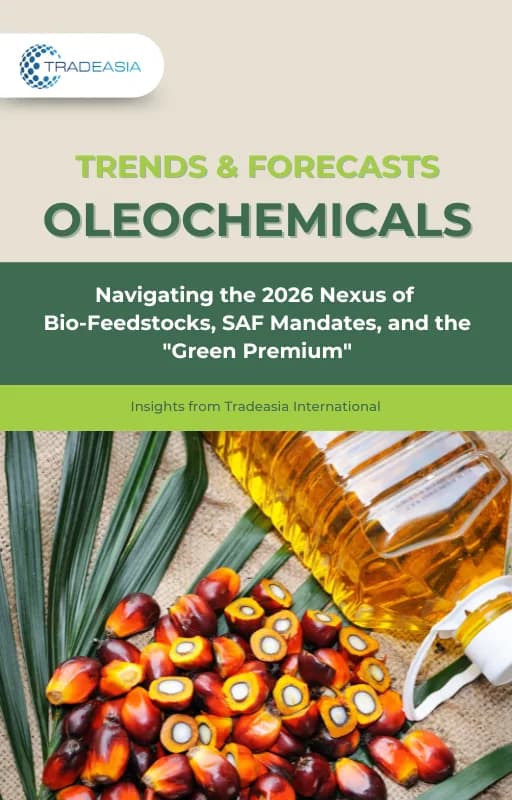
The EU’s Packaging and Packaging Waste Regulation (PPWR) is reshaping the pet recycling landscape, pushing brands to increase recycled PET (rPET) content. This article explores how PPWR drives demand, the importance of certified rPET supply, and strategies for securing compliance in a circular economy.

Formaldehyde and resin producers may see cost relief in H2 2026 as methanol prices ease and Gulf supply conditions improve. Buyers in construction, wood panels and adhesives should monitor the timing of resin price adjustments.

Freight conditions are changing rapidly for global citric acid buyers as shipping routes recover and logistics costs begin to ease. Procurement teams negotiating H2 2026 contracts have a short opportunity to secure improved delivered pricing before freight adjustments spread across the market.
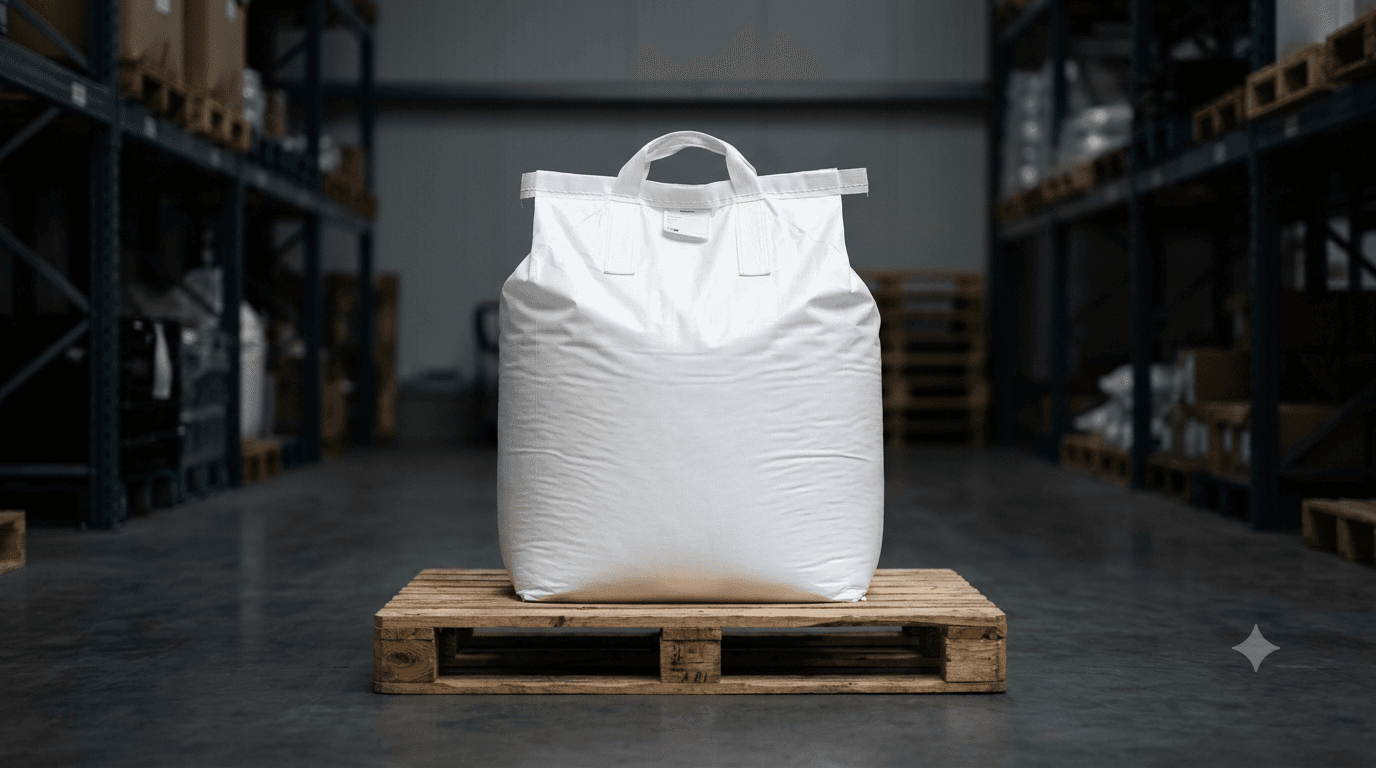
In H2 2026, China’s sucralose production remains robust while freight costs ease, giving buyers a strategic edge. Companies can leverage these trends to negotiate more favorable contracts and secure long‑term supply of food sweeteners.

The June 2026 fertilizer intelligence report covers the volatile first half, examines Gulf supply recovery, and projects urea and DAP outlooks for the second half. It highlights key price drivers, inventory trends, and policy impacts shaping the 2026 market.
Estamos comprometidos com sua privacidade. A Tradeasia usa as informações fornecidas para entrar em contato com você sobre conteúdos, produtos e serviços relevantes. Para mais informações, consulte nossa política de privacidade.