
Carbon Black (N110) - India CAS: 1333-86-4
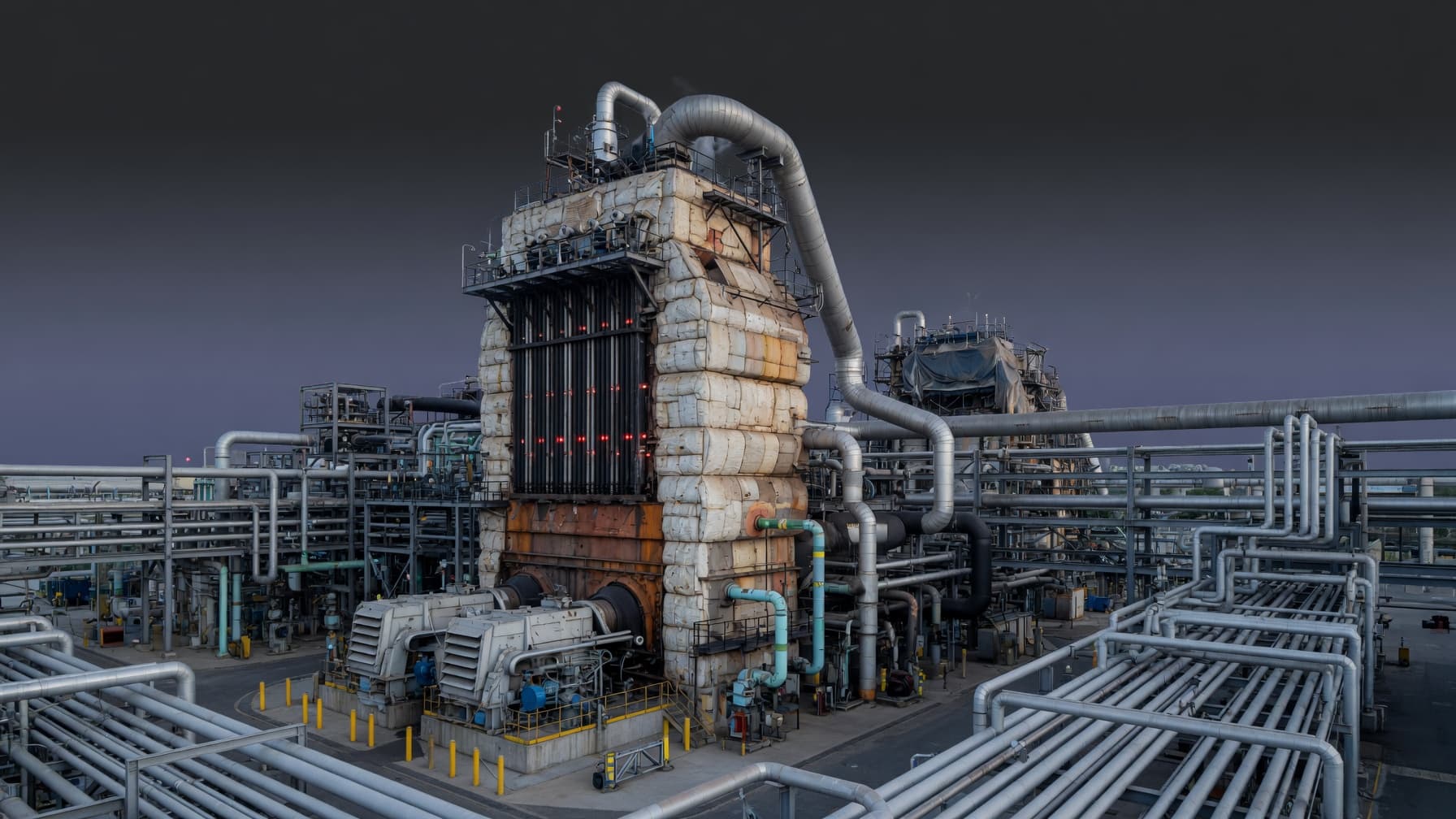
South Korea's planned petrochemical restructuring is expected to close smaller stand-alone naphtha crackers, signalling a broader wave of capacity consolidation across Asia. Procurement teams should assess how fewer production assets may influence polymer supply, feedstock pricing and regional sourcing strategies.

The IMO dataset of 49 confirmed maritime incidents gives hospital pharmacy teams a structured roadmap to assess pharmaceutical exposure in the Gulf. By mapping API and chemical routes against high‑risk zones, procurement leaders can strategically plan Q3 logistics and safeguard patient care.
Brent crude has fallen below its pre-conflict level, creating a potential cost reset for chemical feedstocks. This analysis explains how lower crude prices may influence naphtha, olefins and commodity chemical pricing in Q3 2026.
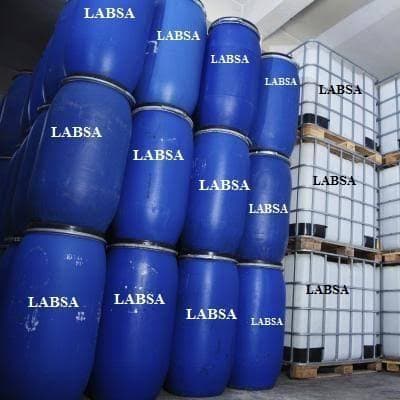
The reopening of Gulf export routes is improving n-paraffin availability, a key feedstock for LAB and LABSA production. As supply normalizes, detergent manufacturers may see easing costs in H2 2026, while buyers with existing contracts should review pricing adjustment clauses.
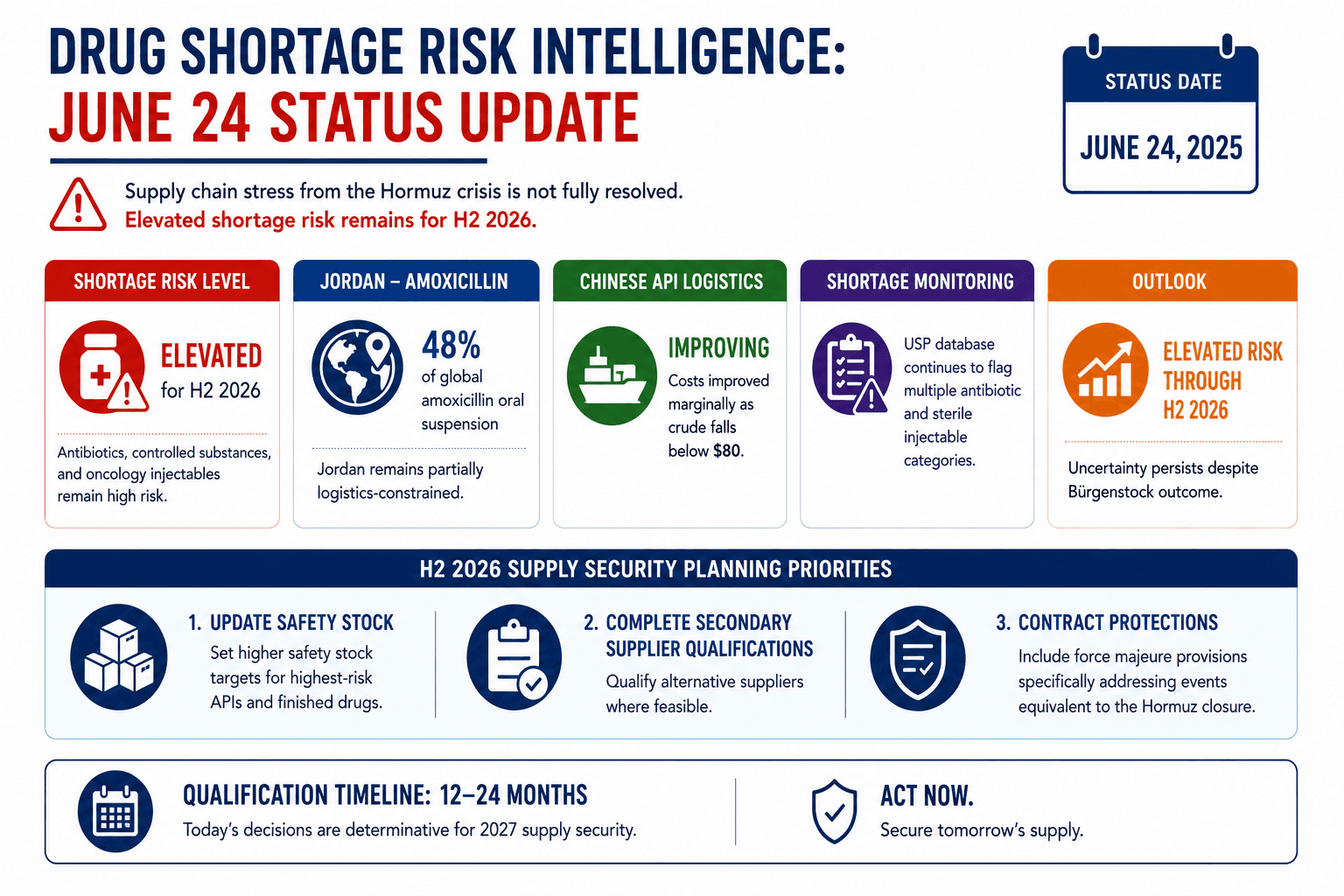
Drug shortage risk remains elevated in H2 2026 despite easing Hormuz tensions. Pharmaceutical procurement teams should prioritize safety stock updates, secondary supplier qualification, and stronger force majeure protections to secure supply continuity into 2027.
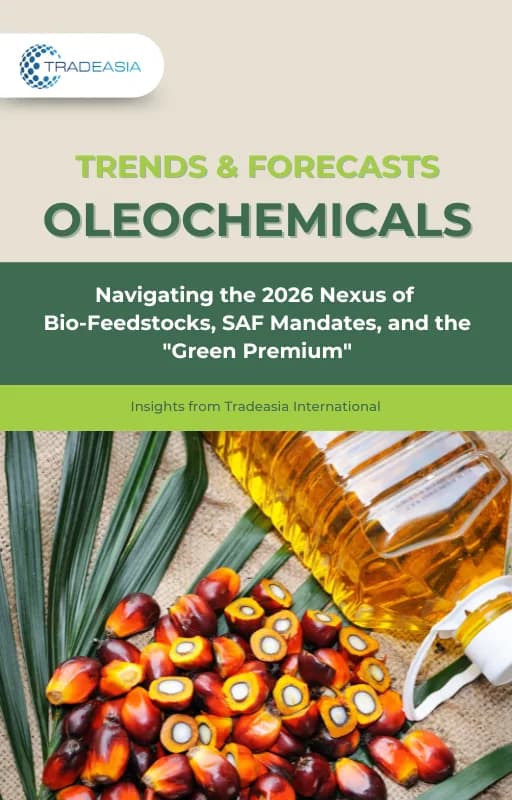
USDA crop condition reports are providing the first meaningful indicators for second-half food ingredient pricing. With US corn conditions tracking near historical trend levels and freight costs beginning to ease, the outlook for starch, glucose and derivative ingredients appears more stable than many buyers expected earlier this year.
Estamos comprometidos com sua privacidade. A Tradeasia usa as informações fornecidas para entrar em contato com você sobre conteúdos, produtos e serviços relevantes. Para mais informações, consulte nossa política de privacidade.