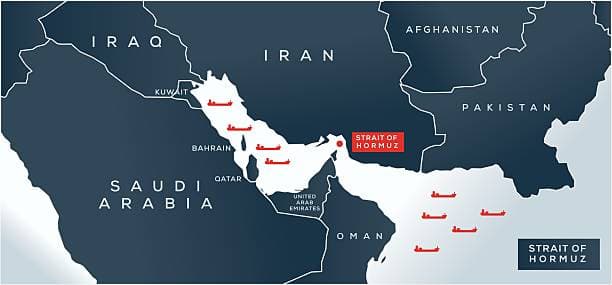
The recovery of Gulf shipping has entered a more sophisticated operational phase. Rather than a simple transition from disruption to normalisation, shipping companies are now operating under several distinct risk-management models depending on vessel type, cargo profile and operational requirements.
For logistics managers and chemical buyers, understanding these different operating models is becoming increasingly important. The presence of naval escort operations does not mean that all commercial shipping has resumed normal Hormuz transits. Instead, different shipping sectors are responding according to their own commercial realities.
Four Distinct Operating Postures Have Emerged
During the early stages of the Hormuz crisis, commercial shipping generally fell into two categories: carriers that rerouted around the Cape of Good Hope and those that suspended operations altogether.
By July, the operating landscape has become considerably more nuanced.
Four broad operating postures can now be identified:
Rerouting — services continue through alternative routes, primarily around the Cape of Good Hope.
Suspended — services remain paused without an announced alternative operating pattern.
Independent Hormuz Transit — direct commercial passage through Hormuz without escort, which major container carriers continue to avoid.
Convoy Participation — selected vessels operating within organised naval escort formations.
Each posture reflects a different balance between operational efficiency, commercial urgency and risk tolerance.
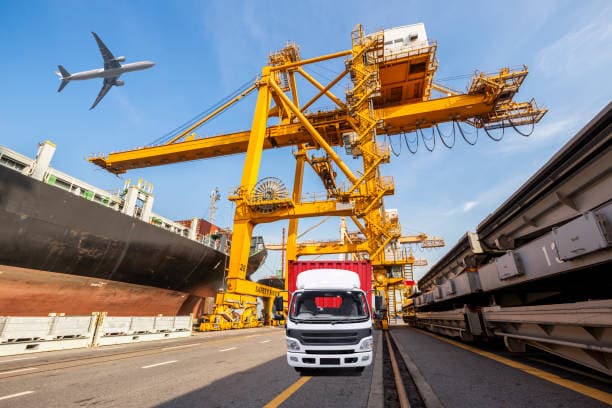
Container Carriers Remain Committed to Cape Routing
Despite improving security coordination, the world's largest container shipping companies have not fundamentally changed their operating strategy.
Major container carriers continue maintaining:
Cape of Good Hope routing.
Revised Gulf service schedules.
Existing network planning.
Long-term operational commitments extending through the remainder of the year.
This consistency reflects network economics rather than short-term political developments.
Container shipping depends upon predictable schedules connecting multiple global trade lanes. Frequent routing changes would introduce disruption across entire service networks.
As a result, convoy availability has not altered the operating model for most containerised cargo.
Convoy Operations Serve a Different Commercial Purpose
Convoy participation has greater relevance for another segment of maritime transport.
Bulk carriers and chemical tankers often operate under commercial conditions very different from container shipping.
Many tanker operators have vessels that remained inside Gulf waters during the peak of the disruption.
For these vessels, escorted departures may provide a practical method of safely exiting the region without requiring the complete restoration of independent commercial navigation.
This creates a different commercial calculation from that facing container carriers whose services have already been successfully reorganised around longer Cape routes.
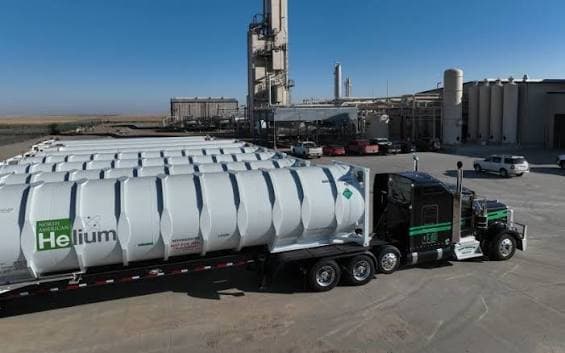
Chemical Tankers Face Different Operational Decisions
Chemical tanker operators generally manage cargoes with different commercial priorities from container shipping lines.
Many shipments involve:
Industrial feedstocks.
Petrochemical intermediates.
Liquid bulk chemicals.
Fertilizer cargoes.
Contract-specific deliveries.
Because many of these vessels were already located inside the Gulf when the crisis intensified, escorted convoy departures may represent the fastest method of completing existing voyages.
For operators outside the Gulf, however, routing decisions continue depending upon insurance conditions, charter agreements and customer requirements.
Convoys Do Not Mean a Return to Normal Shipping
One of the most important misconceptions emerging during the recovery is the assumption that naval escort operations signal the restoration of normal commercial shipping.
In reality, convoy operations represent a risk mitigation measure rather than a return to unrestricted navigation.
For shipping companies, convoy participation introduces additional operational considerations, including:
Coordinated sailing schedules.
Naval security procedures.
Restricted departure windows.
Operational compliance requirements.
Continued elevated marine insurance assessments.
While convoys improve security for participating vessels, they do not restore the flexibility associated with ordinary commercial operations.

What This Means for Chemical Logistics Professionals
For logistics teams managing chemical imports and exports, distinguishing between cargo types is now essential.
Containerised chemical cargo continues operating under one logistics model, while liquid bulk chemicals increasingly follow another.
The practical distinction is straightforward:
Containerised Chemical Cargo
Continues moving via Cape of Good Hope routing.
Transit times remain longer than pre-crisis averages.
Existing carrier schedules largely remain unchanged.
July bunker adjustment factors reduce freight costs but do not alter routing strategy.
Bulk and Chemical Tankers
Selected vessels already inside the Gulf may utilise escorted convoy departures.
Exit timing depends upon convoy scheduling rather than standard commercial departures.
Charter arrangements and cargo priority continue influencing movement.
Marine insurance and operational approvals remain key commercial considerations.
Understanding which category applies to a shipment is critical when estimating delivery schedules.
Procurement Planning Should Reflect Different Supply Chains
Chemical buyers should avoid treating all maritime cargo as operating under identical conditions.
Recommended actions include:
Confirm whether shipments move in containers or dedicated chemical tankers.
Request updated routing information directly from logistics providers.
Verify whether Gulf-origin cargo has been allocated to convoy departures where applicable.
Continue using Cape routing assumptions for containerised imports unless officially advised otherwise.
Update inventory planning based on actual carrier operating models rather than general shipping headlines.
This product-specific approach provides a more accurate assessment of delivery risk.
The Shipping Industry Is Managing Multiple Recovery Paths
The current market demonstrates that there is no single recovery model for global shipping.
Instead, different sectors are adapting according to their own commercial priorities.
Container carriers continue prioritising network stability through established Cape services.
Bulk shipping and tanker operators are evaluating convoy participation where it offers a practical solution for vessels already positioned inside the Gulf.
Both strategies reflect rational commercial decision-making based on different operating environments.
Looking Ahead to H2 2026
The evolution of convoy operations illustrates how maritime recovery has become increasingly segmented rather than universally normalised.
For the world's largest container carriers, the commercial logic supporting Cape of Good Hope routing remains unchanged. Their global service networks continue relying on predictable schedules, and no major carrier has publicly indicated plans to resume routine independent Hormuz transits during the remainder of 2026.
For bulk carriers and chemical tankers, however, convoy participation provides an additional operational option, particularly for vessels already stranded within Gulf waters. Rather than replacing Cape routing, escorted departures create an alternative mechanism for clearing existing cargoes while reducing immediate operational risk.
For procurement professionals, the central lesson is to evaluate logistics according to cargo type rather than assuming a single recovery pathway applies across all shipping sectors. Understanding whether shipments move in containers or dedicated chemical tankers—and whether convoy participation is relevant—will remain essential for accurate planning throughout H2 2026.
Ready to source bulk chemicals and specialty products from verified global suppliers? Explore competitive offers on our platform today.
Caustic Soda Flakes CAS: 1310-73-2